







Introduction:It’s common for customers to get upset—or even leave one-star reviews—when they order hot coffee in winter and find no straw provided. Why do businesses typically not offer straws for hot drinks by default? This practice is rooted in safety concerns and industry norms, and it also highlights the gap between consumer expectations and actual service. This article delves into the common reasons why hot beverages often come without straws, analyzes how chain brands and independent cafés respond, and offers practical advice to help both consumers and businesses foster better communication and understanding.
As temperatures drop, many customers are surprised to find that their takeout cups of hot coffee don’t include a straw—and this often leads to dissatisfaction or even outright one-star ratings. But why do most businesses refrain from providing straws for hot drinks by default? In truth, it’s not merely a matter of service, but involves multiple considerations related to safety and standard industry practices.
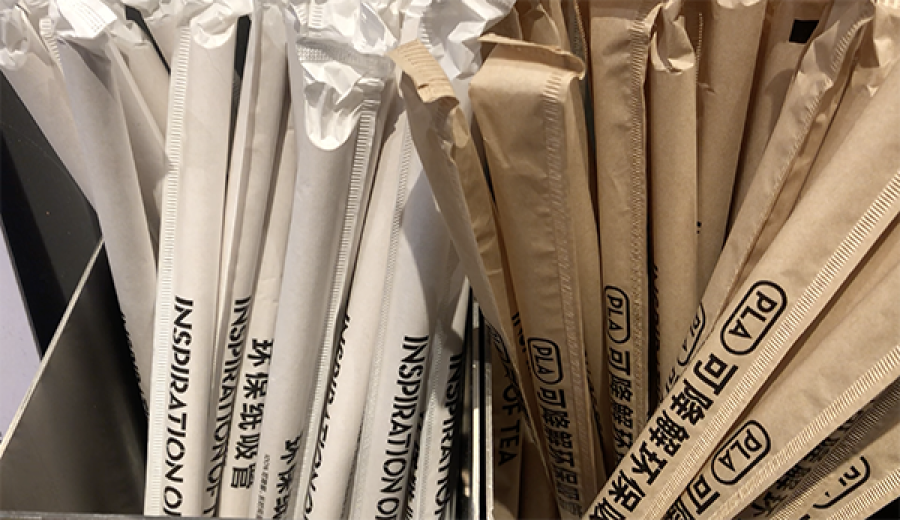
From a safety perspective,the temperature of takeout hot drinks generally exceeds 70°C, and drinking directly through a regular plastic straw can easily cause burns to the mouth or throat. Additionally, common plastic straws tend to deform or soften when exposed to high-temperature liquids, and may even release harmful chemicals—another key reason why many shops choose not to provide straws proactively.
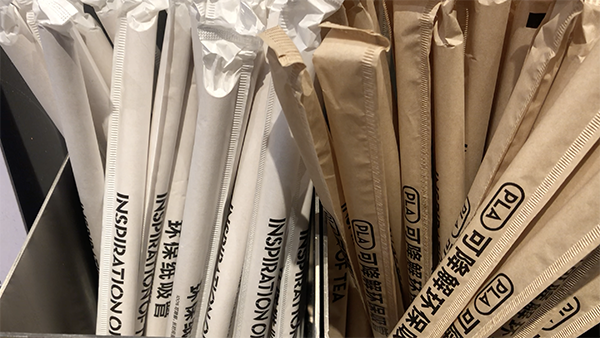
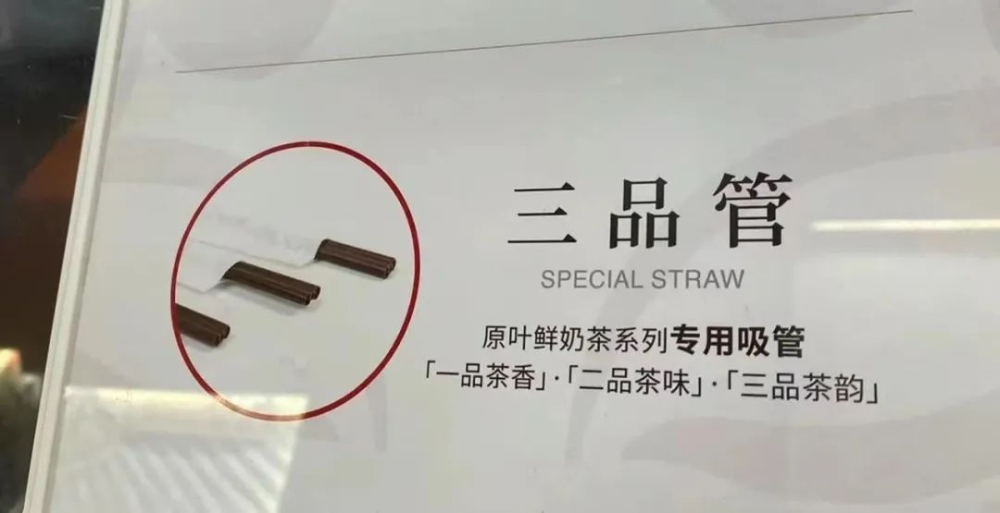
To balance convenience and safety, many chain brands have replaced traditional straws with “sip lids.” Some even offer specially designed hot drink lids with small sipping valves, allowing customers to enjoy their hot coffee safely and smoothly. If a customer requests a straw, they can usually ask the staff, who will typically providea paper straw or a heat-resistant specialty straw, along with a reminder to “be careful of burns.” Some independent cafés that prioritize showcasing coffee flavor may even advise customers to drink directly from the lid to fully appreciate the delicate layers of crema and coffee oils—though this is best suited for coffee that has just been brewed and hasn’t cooled down too much.
Over time, the notion that “cold drinks come with straws, hot drinks don’t” has become an unspoken understanding between the industry and seasoned coffee drinkers. Many regulars are used to drinking their hot coffee straight from the cup and won’t ask for a straw unless they really need one.
The issue, however, is that not every customer is a coffee expert. First-time hot coffee drinkers or those who strongly rely on straws often assume that if they selected “utensils needed” when ordering, a straw should be included. When they don’t get one, misunderstandings can arise, sometimes leading to negative reviews.
On social media platforms or delivery app comment sections, comments like “Does Kudi not give straws?” “Why? No straw for me @Luckin Coffee” or “Now Starbucks doesn’t give straws with coffee??” are all too common. Especially during winter when demand for hot drinks rises, such complaints become more frequent. Fortunately, most customers are just venting frustration and don’t go as far as leaving bad reviews, and experienced users often step in to clarify, helping newcomers know to specify their needs next time.
Compared to complaining in comments, some customers opt to leave low ratings or file complaints, becoming what businesses see as the “negative review crowd.” For example, some customers who receive hot coffee via delivery and find no straw might think, “How am I supposed to drink this without a straw?” and leave a negative review as a result. For businesses, such situations are both frustrating and unfair, as they aren’t intentionally neglecting customers but are making judgment calls based on safety and standard procedures.
To reduce misunderstandings and the risk of negative reviews, many operators have gradually adjusted their service processes. Some shops that offer delivery nowinclude straws with both cold and hot drinksto avoid losing ratings over “no straw” issues. Others have started addressing the issue at the ordering stage by adding a “Do you need a straw?” option in their systems, or clearly stating in the product description for hot drinks that “no straw is included; please note if you need one,” making it easier for customers to express their needs and reducing communication barriers.
In summary, there are many ways to enjoy coffee, and whether or not to use a straw should respect individual habits rather than being based on some “default assumption.” While businesses must consider safety and operational convenience, they should also think about how to communicate service details more clearly. Meanwhile, consumers can learn more about industry norms and speak up about their needs when necessary. Through mutual understanding, both sides can reach a consensus and jointly maintain a positive coffee-drinking experience. Coffee culture is meant to be inclusive and diverse, allowing everyone to enjoy a great cup of coffee in the most comfortable way possible.
The above content is compiled by CoffeeHunters, a coffee news website.


