








Introduction:Hot lattes are a comforting choice for many during winter, but sometimes overly hot milk foam can make the coffee hard to enjoy. Did you know? The ideal temperature for steamed milk is between 55°C and 65°C, which brings out the smoothest sweetness and silkiest texture. This article delves into why milk heated above 70°C damages foam structure and affects sweetness perception, and shares expert barista tips to help you brew the perfect hot milk coffee—rich, flavorful, and never scalding.
On a chilly day, ordering a steaming latte or flat white is a small joy for many coffee lovers. Many often ask the barista, “Can you steam the milk a bit hotter?” However, most professional baristas aim to steam milk within the golden range of 55°C to 65°C. Once it goes beyond that, not only does sweetness diminish, the texture becomes rougher, and overall flavor expression can suffer.
Why does milk above 65°C ruin your latte?The key lies in how proteins and lactose in milk change during heating. As the temperature rises, milk proteins gradually alter their structure—the once-clustered proteins unfold, with their hydrophilic and hydrophobic ends coming into play. During steaming, the steam’s moisture causes the hydrophobic ends to trap air, while the hydrophilic ends stabilize the bubble’s outer layer, forming fine, velvety microfoam.

However, when the temperature exceeds70°C, proteins begin to denature and even break down, causing the trapped air to lose support. The foam rapidly collapses or defoams, not only making latte art difficult but also leading to separation between milk foam and coffee. The result? A noticeably degraded drinking experience.
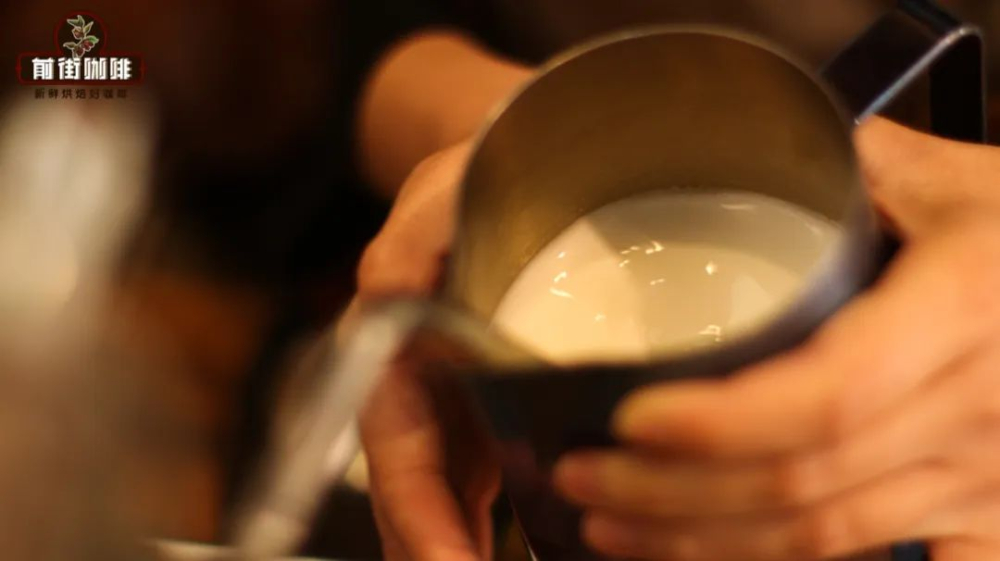
Some customers prefer their milk coffee “a bit hotter,” but once milk temperature exceeds 68°C, it’s not only more likely to burn your mouth, but also dulls the perceived sweetness of lactose. Lactose itself is only 0.16 on the sweetness scale—much lower than sucrose’s 1.0—but our taste buds perceive its sweetness differently depending on temperature.
Research and practical testing show that within the60°C to 70°Crange, lactose’s sweetness is most easily detected. This is why many baristas keep milk temperature within this range—to ensure a smoother, sweeter cup. Once it goes above 70°C, sweetness drops significantly, and even if cooled afterward, damaged proteins mean overall flavor seldom recovers.

Additionally, milk foam over 70°C can cause noticeable “foam-coffee separation” due to the temperature difference with the coffee itself. The foam floats on the surface instead of blending evenly—not just impacting appearance but also every sip. Worse yet, this effect is irreversible—even letting the coffee cool won’t restore the damaged foam texture or flavor quality.

Therefore, for coffee beginners, mastering the right milk steaming temperature is crucial. It’s recommended to aim for55°C to 65°C, with the optimal peak at68°C, to preserve the milk’s sweetness while maintaining delicate, stable foam for longer-lasting latte art and a smoother, richer drinking experience.
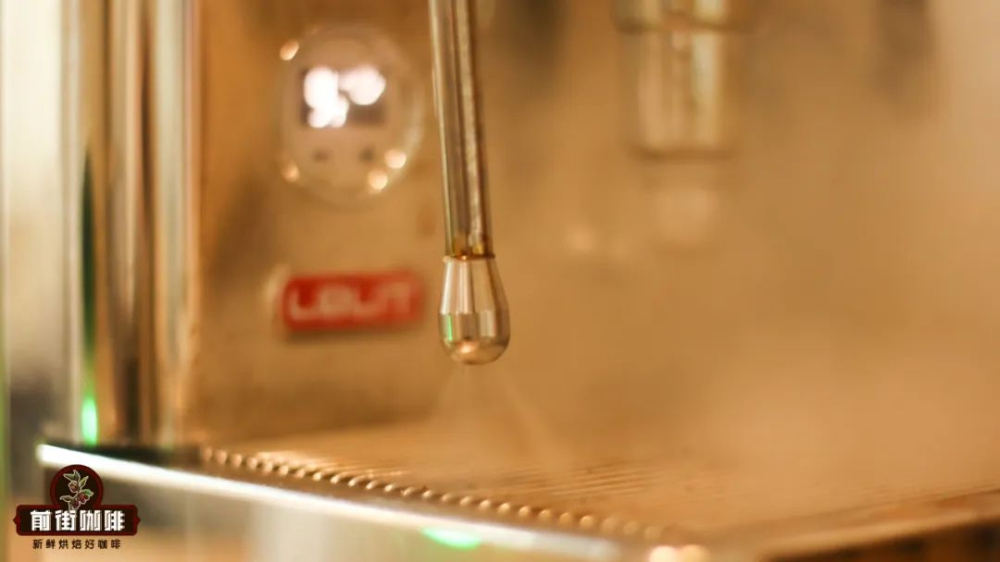
If you’re worried about your coffee cooling too quickly, try using a ceramic cup and preheating it before serving—for example, using residual heat from the espresso machine or warming the cup with hot water. This helps slow the cooling process so you can enjoy the best flavor possible. Remember, a great milk coffee isn’t just about taste—temperature is key too.
The above content is compiled by CoffeeHunters, a coffee news website.


