







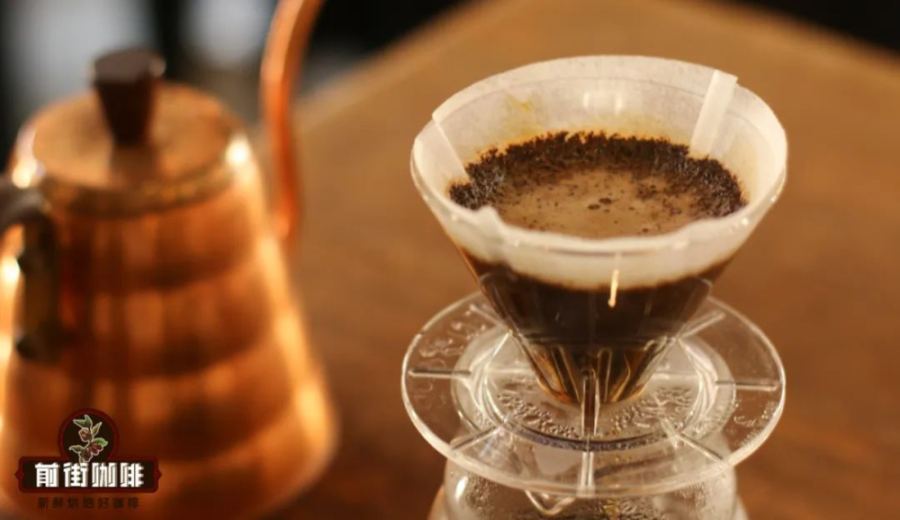
Introduction:When temperatures drop, many pour over coffee enthusiasts find that even when using the same beans and techniques, their coffee becomes weak and lacks complexity. This is actually related to the rapid loss of water temperature, which in turn affects overall extraction performance. This article delves into the impact of low-temperature environments on pour over brewing, including the principles of heat loss and its connection to actual extraction yield, and provides four practical solutions: preheating the spout, slightly adjusting water temperature, controlling water volume, and adjusting pouring height—all to help you maintain stable pour over flavors during winter.
After entering winter, many pour over coffee enthusiasts may have encountered similar situations: they’re using the same coffee beans and following their usual brewing steps, but the resulting coffee noticeably lacks complexity, or even feels a bit watery. Such performance often leads people to suspect a decline in bean quality or an issue with the roast, but the real culprit is often the rapid heat loss caused by lower ambient temperatures, which interferes with the extraction process.
The influence of ambient temperature on pour over coffee is mainly reflected in the rate at which hot water cools down. When the surrounding temperature drops, especially below 10°C, 500 ml of hot water—which would normally lose only about 3°C per minute at around 20°C room temperature—can now lose as much as 5°C per minute. As a result, even if you pour water at your usual set temperature (for example, 92°C), by the time it reaches the coffee grounds, the temperature may have already dropped to around 89°C, or even lower during the third pour, leading to reduced overall extraction efficiency and, naturally, a weaker flavor expression.
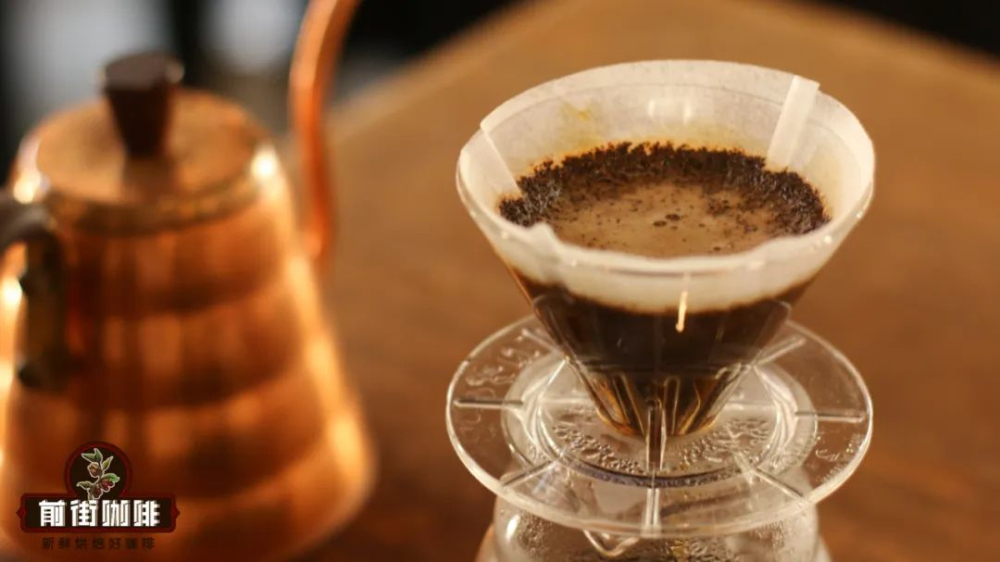
To improve this extraction deficiency caused by low temperatures, we can focus on the following four practical and easy-to-implement approaches: preheating the spout, moderately increasing water temperature, adjusting total pouring volume, and lowering the pouring height. Each of these details can effectively help you maintain stable extraction performance.
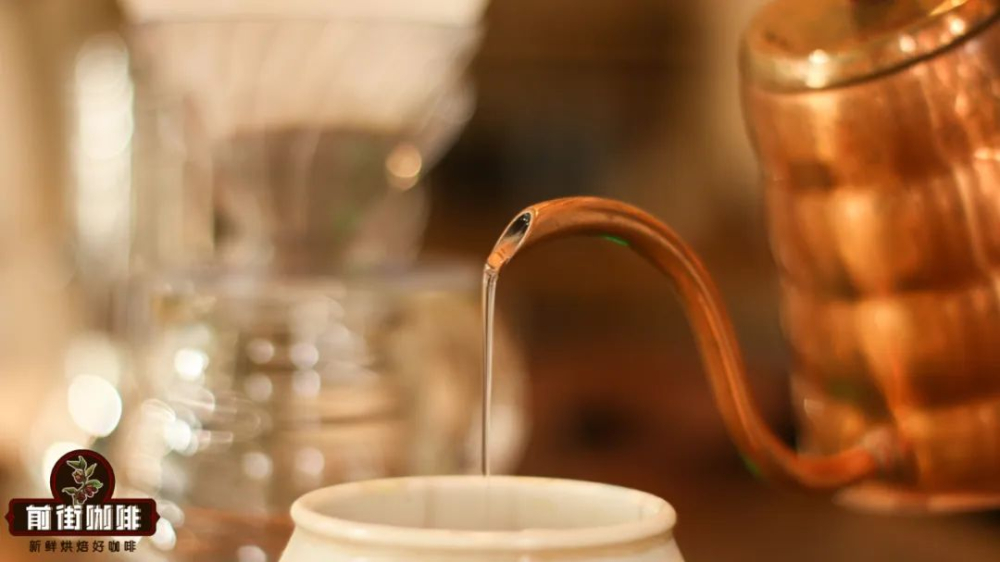
First, one step that many people tend to overlook is preheating the spout. Since the spout itself remains cold at room temperature, even if the kettle contains freshly boiled hot water, the spout will continue to draw away heat—especially during the blooming phase, where this heat loss is particularly noticeable. It is recommended to pour a small amount of hot water into the kettle to preheat the spout before you start your pour over session. This reduces unnecessary heat loss during the initial pours and helps stabilize overall water temperature performance.
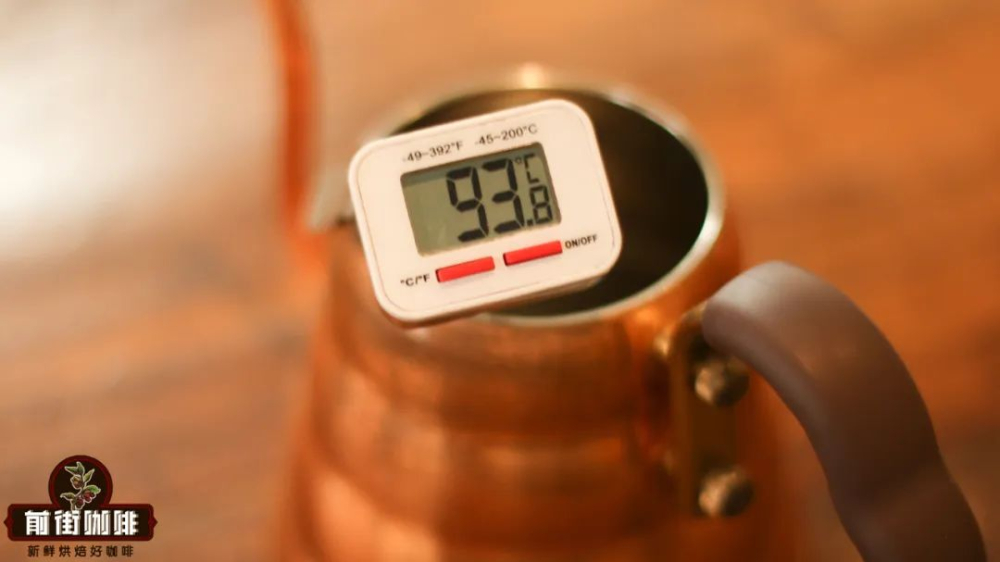
Secondly, adjusting the water temperature is also a direct method to combat low-temperature environments. It is generally recommended to increase the familiar brewing water temperature by 1 to 2°C. For example, if you usually use 92°C, you can try raising it to 93°C or even 94°C in winter. Although such fine-tuning seems minor, it can effectively compensate for the temperature drop caused by ambient differences, ensuring that the coffee grounds release their full range of aromatic and flavor compounds within the optimal extraction temperature range.

Water volume also plays a crucial role. Since the rate of heat dissipation is related to the total volume of water, the higher the total water volume, the relatively slower the rate of heat loss. For example, 500 ml of hot water in a 10°C room might lose about 5°C per minute, but if the total pouring volume is increased to 700 ml, the rate of temperature drop could potentially decrease to around 3°C per minute. This helps prolong the time hot water stays at a high temperature, aiding in more complete extraction of aromatic substances in the coffee. Of course, increasing water volume should be done within reason, to avoid operational difficulties or loss of control over brewing time due to excessive pouring.
The final technique is adjusting the pouring height. Many advanced pour over methods, such as the Songshan method, use a lower pouring height to reduce the contact area between hot water and air, thereby minimizing heat loss. Generally speaking, the higher you hold the pouring kettle, the longer the water stream stays in the air and the greater the surface area exposed to cold air, which accelerates the loss of water temperature. Therefore, it is recommended to consciously lower the pouring height during winter, ideally keeping it between about 15 to 25 centimeters. This helps reduce heat dissipation and maintain stable water temperature.
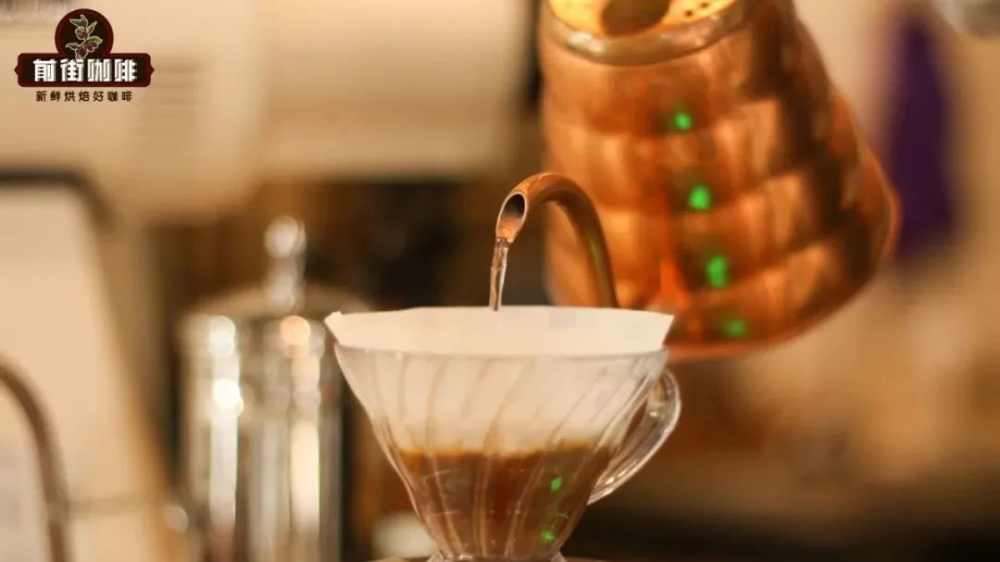
If you’re concerned that lowering the pouring height might affect the water stream’s penetration power, you can slightly increase the tilt angle of the pouring kettle to compensate for the necessary impact force, ensuring even coffee extraction and moderate flow rate. Mastering these details means you can still easily and steadily brew a pour over coffee with rich flavor, even in the cold winter months.
The above content is compiled by CoffeeHunters, a coffee news website.


