








Introduction:The AeroPress is an unconventional and versatile coffee brewing tool, introduced in 2005 by inventor Alan Adler. Combining both immersion and pressure brewing mechanisms, it allows users to flexibly adjust parameters such as water temperature, grind size, and brew time, resulting in a wide variety of coffee flavors. This article starts with the background of the AeroPress’s creation, delves into the differences between regular and inverted brewing methods, and provides a tested and effective inverted brewing recipe to help you easily master this “all-purpose tool in the coffee world.”
For many coffee enthusiasts, while pour over is a classic method, it can become monotonous over time. If you’re looking for a more flexible brewing approach that can fully bring out the potential of your coffee beans, give the AeroPress a try. Created by American inventor Alan Adler, this brewing device has attracted countless coffee aficionados and even inspired an international competition since its debut in 2005, thanks to its high degree of freedom and diverse brewing possibilities.
The Birth of the AeroPress: Innovation Rooted in Practicality
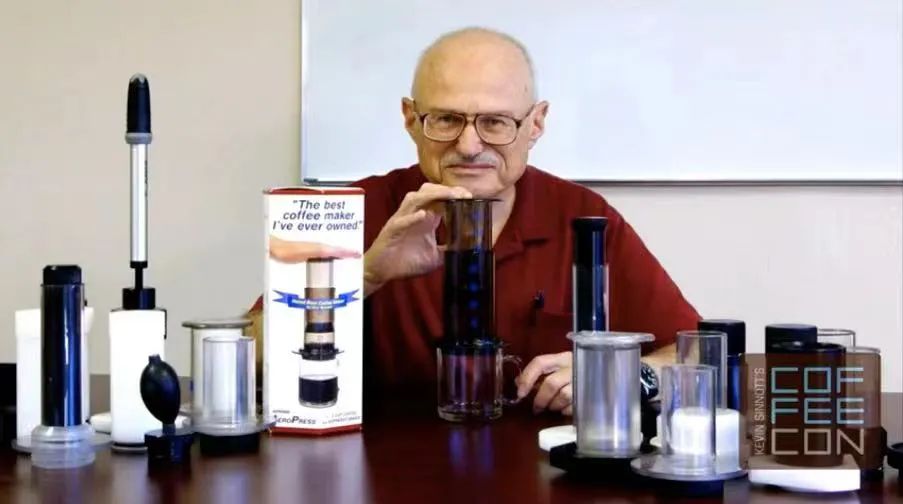
The AeroPress was developed in 2005 by Alan Adler, who was nearly seventy years old at the time. This multi-talented inventor had previously worked as an electrical engineer, a lecturer at Stanford University, and the founder of the well-known toy brand Aerobie. Even in his retirement years, he remained passionate about life and innovation. Adler originally just wanted to create a simple, fast, and effective tool for making good coffee, but after trying various commercial options like capsule machines, drip brewers, and Chemex, he found them either too complicated or too time-consuming to meet his needs.
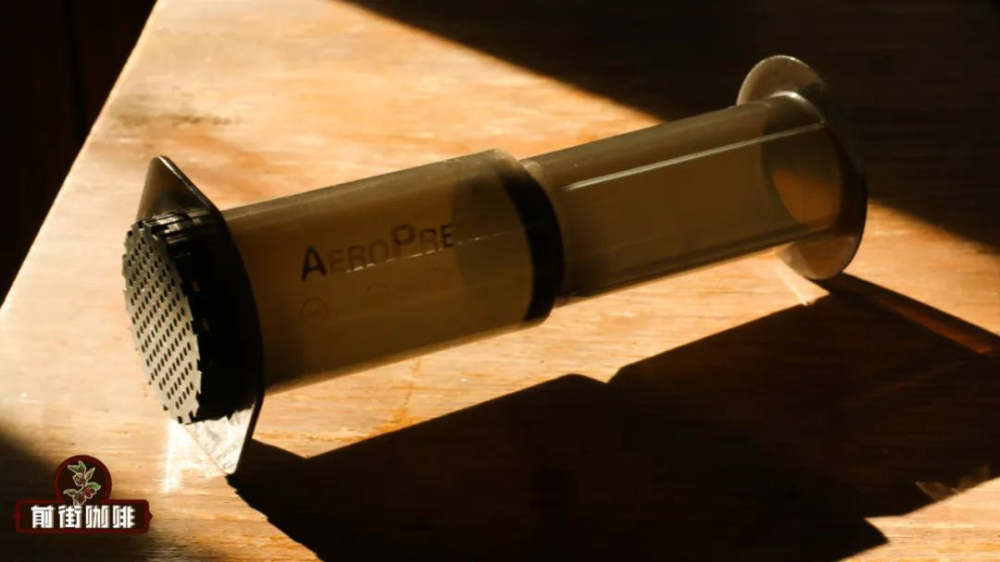
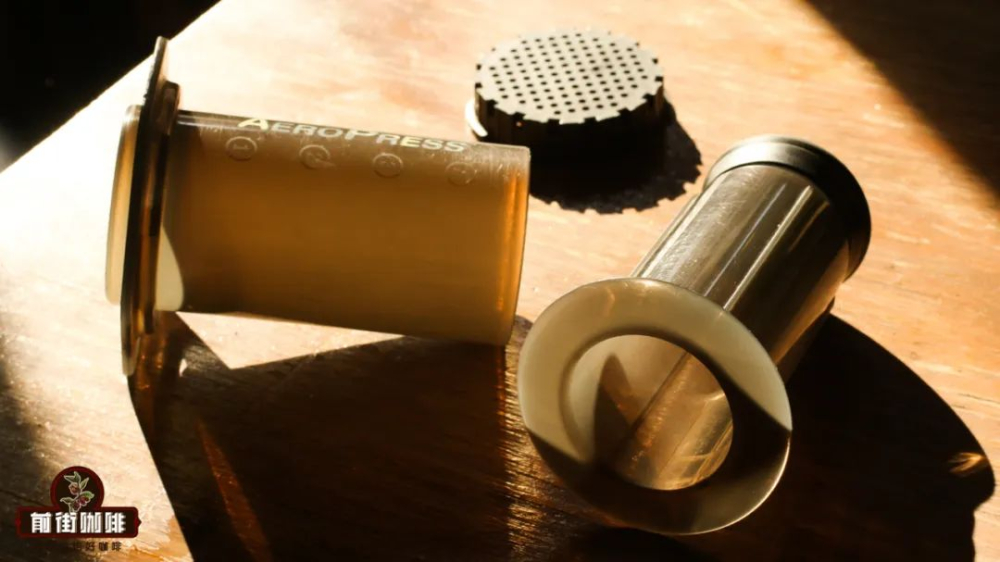
Thus, starting in 1993, he began conceptualizing his own coffee brewing device. After twelve years of continuous refinement and prototyping, he developed over forty versions before finally launching the AeroPress in 2005. The device consists of three main components: a plunger, a chamber, and a filter cap. Its overall appearance is often likened to a “syringe,” being simple yet highly functional.

The Brewing Principle of the AeroPress: Combining Immersion and Pressure
The most distinctive feature of the AeroPress is its integration of both immersion and pressure brewing methods. Depending on how it’s used, it is mainly divided into two modes: regular (standard usage) and inverted. The regular method is the official recommended way: attach the filter cap to the chamber, add coffee grounds and hot water, stir gently, insert the plunger, then place the entire setup on top of a cup, and press the plunger down to extract the coffee. The inverted method reverses the process: without the filter cap, the plunger is inserted first, followed by the coffee grounds and hot water. After stirring, the filter cap is attached and the entire device is flipped before pressing to complete the extraction.
This dual brewing mechanism, combined with nearly limitless parameter adjustments—such as water temperature, coffee-to-water ratio, grind size, steeping time, number of stirs, and stirring technique—allows the AeroPress to produce an extremely diverse range of coffee flavors. Even the same coffee beans can exhibit completely different characteristics based on the settings, which is one of the reasons it’s so beloved by coffee enthusiasts.
From Amateur Competitions to World Events: The AeroPress Community Culture
After its launch, the AeroPress quickly sparked discussions in the coffee community due to its simplicity and versatility. In 2008, Norwegian barista Tim Wendelboe and a few fellow enthusiasts held the first informal AeroPress competition in a small room, with only three participants and Tim himself as the judge. Unexpectedly, this small gathering evolved into a global AeroPress Championship, attracting coffee lovers from around the world and showcasing the device’s endless potential and community appeal.
Practical Sharing: An Inverted Brewing Recipe for Kenyan Beans
The following is a tested sharing from a coffee team using the “Kenya · Assaria” beans for inverted brewing. These beans often present bright plum and cherry tomato acidity when brewed with pour over, paired with a pear-like sweetness, making them ideal for those who enjoy fruity and juicy profiles.
[Parameter Settings]
• Coffee dose: 18 grams
• Grind size: 90% passing through a #20 sieve (similar to superfine sugar, slightly finer than standard pour over)
• Coffee-to-water ratio: 1:11 (total water volume approximately 200 ml)
• Water temperature: 90°C
• Brewing method: inverted

[Step-by-Step Guide]
1. Pre-insert two round filter papers into the filter cap, wet them with hot water, and gently press to ensure they adhere to the cap (if round filter papers are unavailable, you can cut standard filter paper to size as a substitute).
2. Assemble the plunger and chamber, pre-press the plunger to mark ④, then invert the entire setup.
3. Add 18 grams of coffee grounds, then immediately pour an equal amount of 90°C hot water, and start the timer.
4. Use a stirring stick to slowly stir in a circular motion inside the chamber for about 10 seconds to ensure even saturation of the coffee grounds.
5. Attach the pre-wetted filter cap to the chamber and secure the receiving cup below.
6. After about 1 minute, flip the entire setup and slowly press the plunger down to extract the coffee.
The entire process takes about 1 minute and 20 seconds. Compared to the regular method, the inverted process is more stable and easier for beginners. The test results showed that these Kenyan beans exhibited rich fruit acidity and layered juiciness, with a refreshing and well-defined mouthfeel, making them perfect for everyday enjoyment.
The AeroPress is not just a coffee brewing tool, but also a medium for exploring flavors. Whether you’re a beginner or a coffee enthusiast chasing ultimate flavor profiles, you can find your own brewing joy with this device.
The above content is compiled by CoffeeHunters, a coffee news website.


