







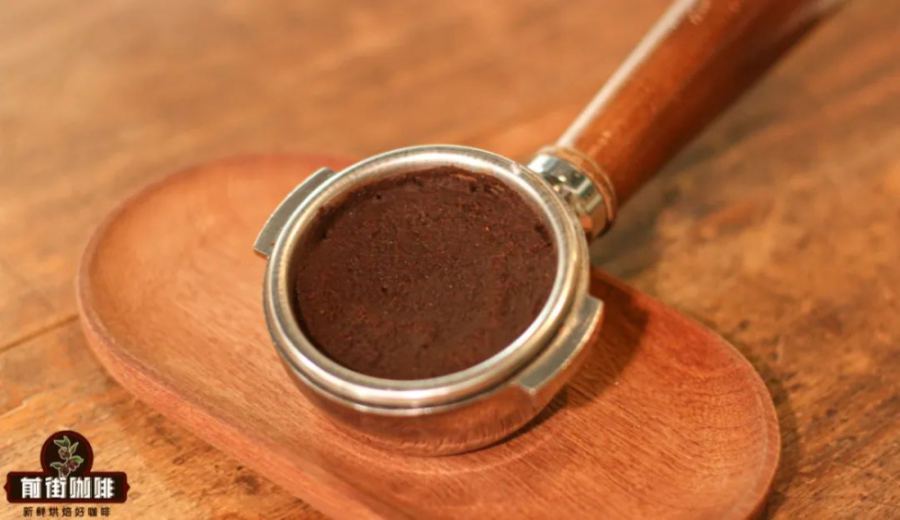
Introduction:When making espresso, have you ever noticed unnatural holes in the coffee puck or observed the extraction stream splitting or flowing unevenly? These phenomena may stem from "channeling" — where water chooses the path of least resistance, leading to over-extraction in some coffee particles and under-extraction in others, ultimately affecting the flavor. This article delves into the mechanics behind channeling, guiding you from visual observations with a bottomless portafilter to systematically breaking down three common causes: coffee clumping, uneven distribution, and improper tamping, while also providing practical operational tips to help you refine your extraction quality.
During the espresso brewing process, it’s not uncommon to observe noticeable holes on the surface of the coffee puck, or to see the extraction stream veering to one side or even multiple streams emerging simultaneously. These irregularities are very likely influenced by "channeling." So what is channeling? It’s closely related to the fundamental behavior of water — water naturally seeks the path of least resistance. When certain areas of the coffee puck are less dense, hot water will concentrate through these loose spots, causing localized over-extraction while other areas are under-extracted, resulting in a shot that tastes thin and overly acidic.
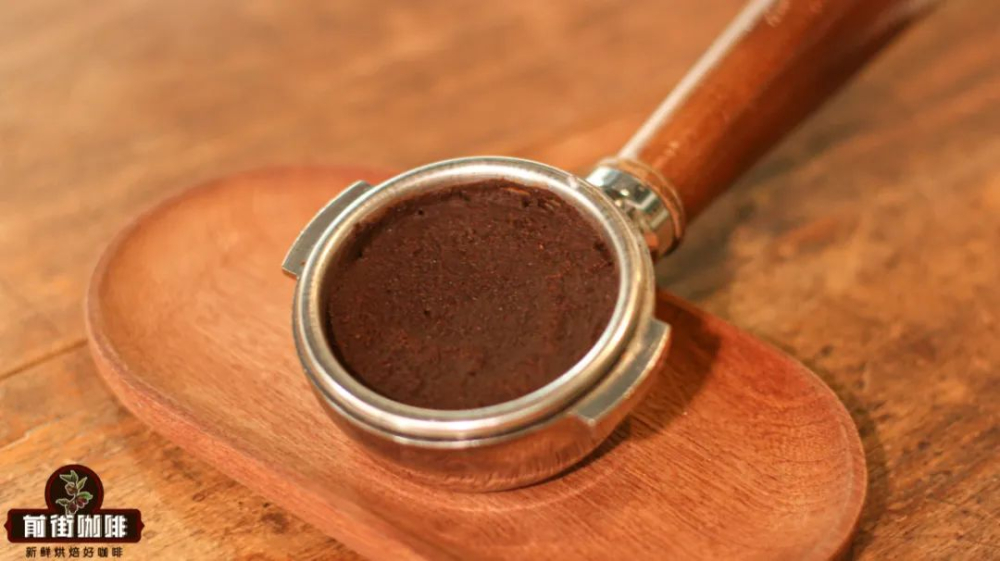
So how exactly does channeling form? Simply put, it’s inseparable from the structure of the coffee puck. Under normal circumstances, coffee grounds packed into the portafilter basket form a barrier with relatively uniform density. Water, under pressure, needs to evenly penetrate the entire puck to extract balanced flavors. However, once any part of the puck has a looser structure or lower density, water will follow the principle of "minimizing resistance" and flow concentratedly through that area, creating what’s known as a "channel," which leads to uneven extraction.
This uneven extraction is directly reflected in the coffee’s flavor profile. Ideally, hot water should uniformly permeate all coffee grounds, allowing each particle to contribute an appropriate amount of flavor compounds. But under the influence of channeling, most of the water flows through specific areas only, causing those spots to be over-extracted (releasing too many bitter and astringent compounds), while other areas suffer from insufficient extraction due to lack of adequate water (flavor compounds aren’t fully released). The resulting espresso often tastes thin, with prominent and unbalanced acidity.
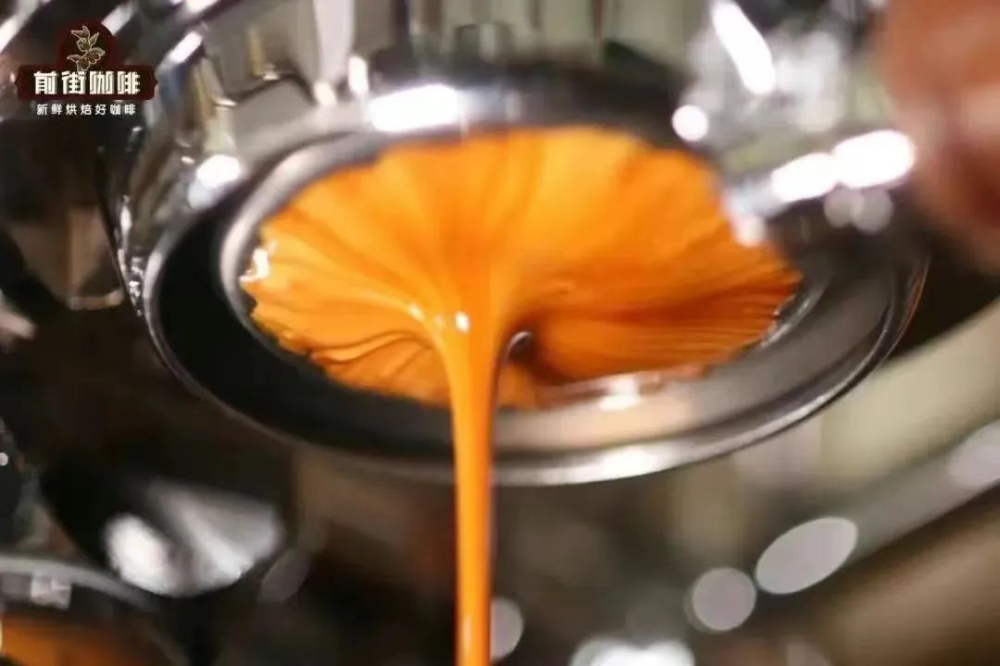
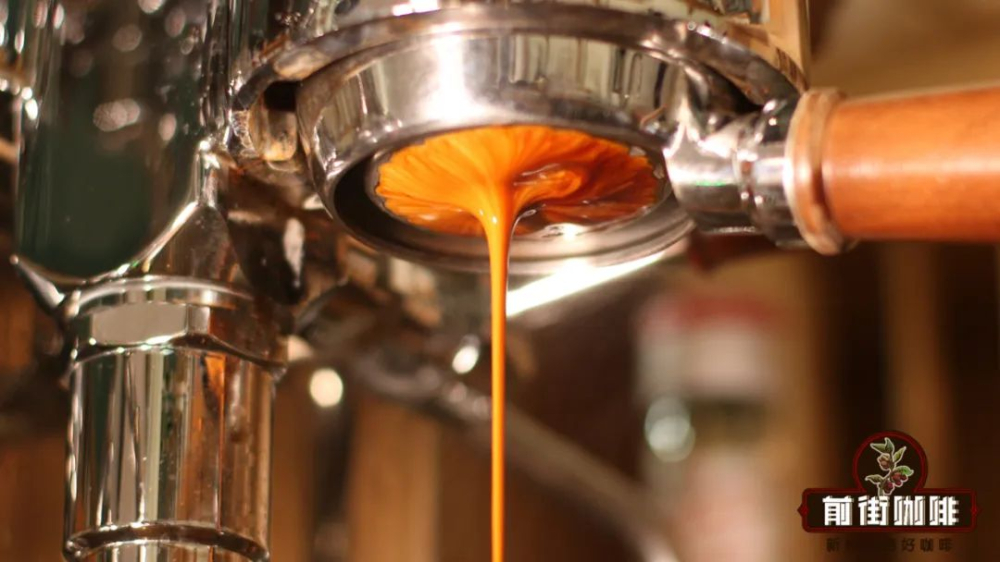
The occurrence of channeling isn’t without traces, especially when using a bottomless portafilter, which allows for more intuitive observation of the extraction process and timely detection of abnormalities. During normal extraction, the coffee liquid usually converges from the edges toward the center at the bottom of the basket, forming a stable and vertical stream with consistent and continuous flow. However, when channeling occurs, in addition to possible splashing or obvious tilting of the stream, you may also notice the stream splitting (multiple streams emerging at once), inconsistent flow speed (sometimes fast, sometimes slow), and in more severe cases, uneven holes of varying sizes may be left on the puck’s surface after extraction. These signs are all red flags of flavor imbalance and require immediate adjustments to your workflow.

The causes of channeling can mainly be attributed to three factors: coffee clumping, uneven distribution, and improper tamping. First, coffee clumping is a common culprit. Static electricity can cause coffee grounds to form clumps after grinding. If these clumps are not broken up before being placed into the basket, the density in those clumped areas will be significantly lower than the surrounding coffee bed, creating “shortcuts” that water preferentially flows through. It’s recommended to gently break up clumps with a distribution tool or other slender implement before dosing, ensuring every coffee particle is evenly exposed to the water flow.
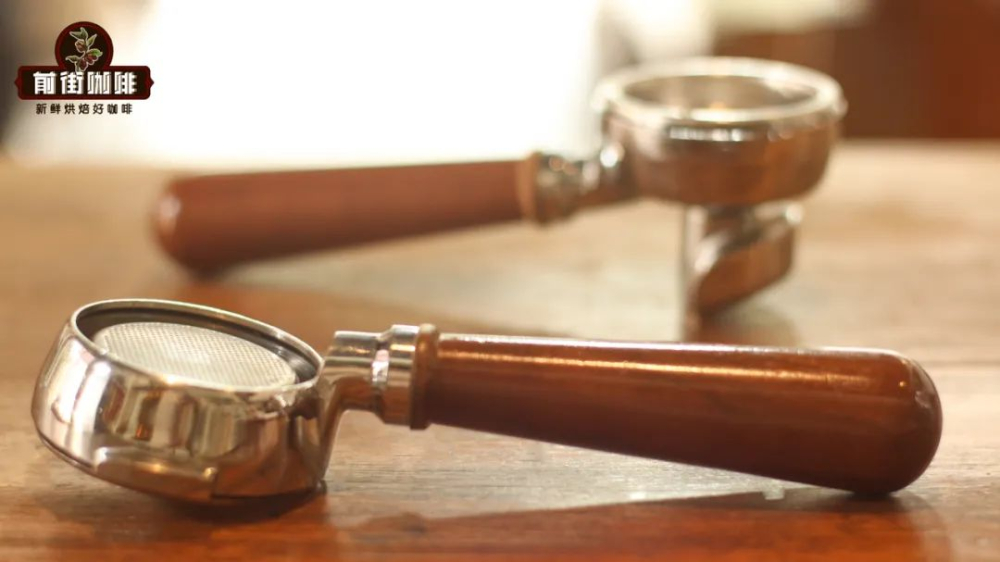
Secondly, the evenness of distribution is crucial. Many people are accustomed to simply leveling the coffee bed with their fingers, but this method often leads to uneven coffee distribution across the basket, affecting puck density. Using a professional distribution tool can effectively improve this issue, but it’s important to adjust the tool’s height according to the basket capacity — a distributor that’s too high may compact the coffee bed during use, effectively mimicking manual tamping and defeating the purpose of distribution. Ideal distribution should result in a flat and level coffee bed with no obvious bumps or dips.
Lastly, the technique of tamping directly impacts the puck structure. Compressing loose coffee grounds into a high-density puck is a necessary step, but the uniformity of the pressure applied is even more critical. Uneven tamping force (such as shifting your center of gravity) can create uneven surfaces on the puck, causing water to flow preferentially to the lower areas and exacerbating channeling. It’s recommended to focus tamping force on the center of the puck and maintain a vertically straight tamp to minimize local pressure differences, forming a structurally stable puck.
Mastering these key details can effectively reduce the likelihood of channeling and enhance both the extraction quality and flavor performance of your espresso. From observing the puck condition, adjusting distribution methods, to precisely controlling tamping pressure — every step plays a vital role in determining the quality of the final cup.
The above content is compiled by CoffeeHunters, a coffee news website.


