








Introduction:Pan Zhimin, Chief Coffee Master at Luckin Coffee, led a team deep into the highlands of Gayo, Sumatra, Indonesia, where they carefully selected a wet-hulled Arabica bean. Named "Emerald," this bean will join the SOE Little Black Cup series on the 25th of this month. This article details the altitude, climate, and processing characteristics of the region, helping you understand this Indonesian single-origin bean with flavors of cherry, cane sugar, and cedar, as well as how the wet-hulling process is uniquely designed to adapt to high-humidity environments.
Following their visits to Ethiopia and Panama in 2023, Luckin Coffee’s coffee-sourcing team chose the highlands of Gayo, Sumatra, Indonesia as their next destination. This time, the team was personally led by Pan Zhimin, 2017 World Barista Championship China Champion and Luckin’s Chief Coffee Master. By Lake Tawar, they selected a wet-hulled coffee bean, naming it "Emerald." This Sumatran single-origin bean will officially join Luckin’s SOE Little Black Cup series on the 25th of this month, offering coffee enthusiasts who enjoy pour over or espresso a brand-new choice.
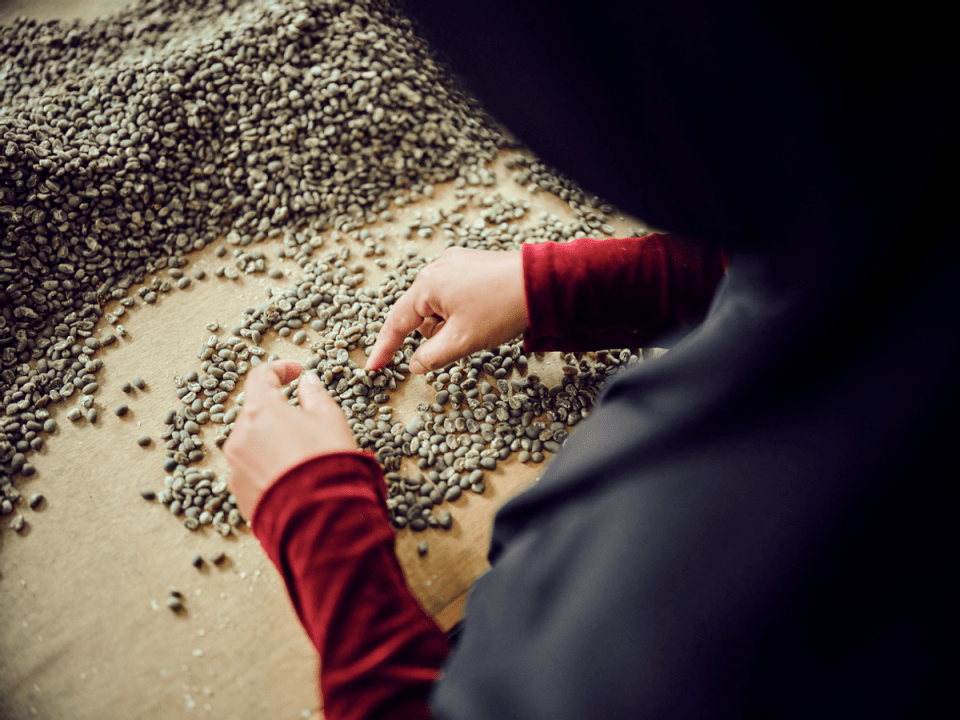
November marks the harvest season for Arabica coffee in Indonesia. Pan Zhimin’s team ventured deep into the Gayo (also known as Gayo) region in northern Sumatra, where they carefully selected this wet-hulled coffee bean. This batch of beans will be launched under the name "Emerald," and it is expected that several matching espresso creations will go on sale simultaneously on the 25th. This is not only Luckin’s third global coffee-sourcing expedition but also its first focus on an Asian producing region, highlighting Indonesia—a major coffee-producing nation with its unique wet-hulling process.
Indonesia is the world’s largest archipelagic country, and its coffee cultivation history dates back to the 18th century when Dutch colonists first promoted it on Java Island before gradually expanding to highland areas such as Sumatra and Sulawesi. Currently, higher-quality Arabica varieties are mainly concentrated in regions above 1,200 meters in altitude, including northern Sumatra, Sulawesi, and Java. Among them, Aceh and North Sumatra provinces in Sumatra, home to two volcanic lakes—Lake Tawar and Lake Toba—have become key production areas for local Arabica.
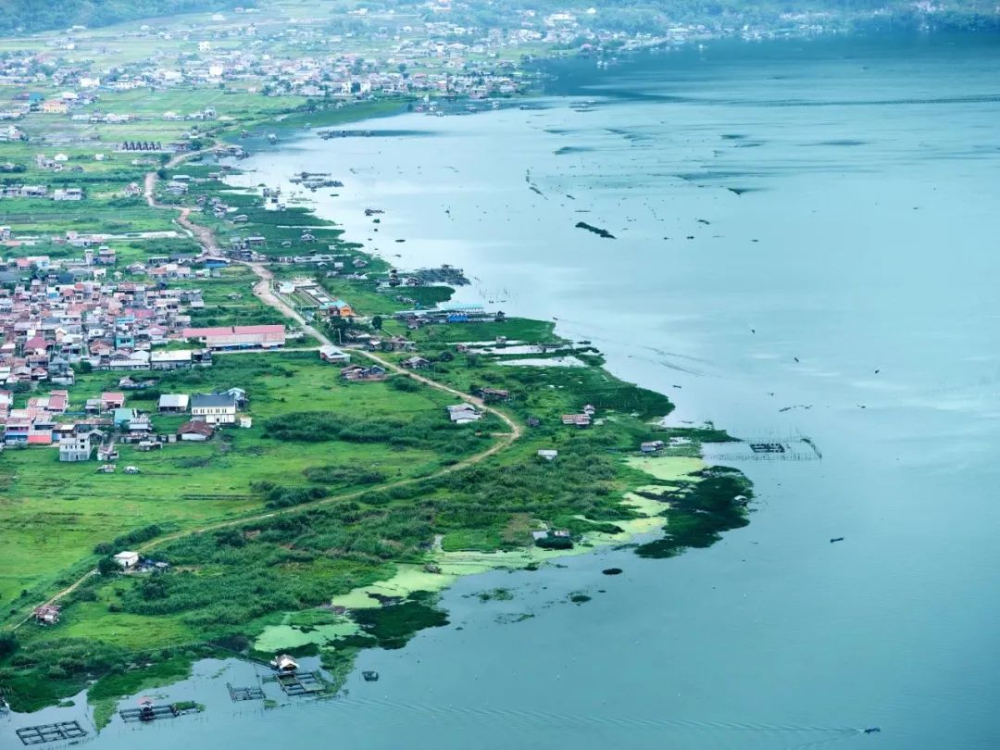
Lake Tawar is located in Aceh Province in central Sumatra. The surrounding Gayo Mountains feature high altitudes and a suitable microclimate, making it a key area of interest for Luckin’s coffee-sourcing team. The region has a typical tropical rainforest climate, with abundant rainfall year-round and relatively high humidity. The average altitude is about 1,400 to 1,700 meters, making it very suitable for growing Arabica coffee. Organic farming is commonly practiced here, and the rich nutrients provided by volcanic soil give the resulting coffee a rich and layered flavor profile.
According to the cupping results from Luckin’s team, this upcoming "Emerald" SOE exhibits a complex flavor profile of cherry, cane sugar, caramel, and cedar, with a full-bodied mouthfeel and a long-lasting aftertaste. These flavor characteristics are closely related to its growing environment and the subsequent wet-hulling process, representing one of the typical styles of Sumatran coffee.
Speaking of wet hulling, it is the most representative processing method in Indonesia’s coffee-growing regions, and its emergence is inseparable from the area’s unique climatic conditions. Indonesia’s average annual humidity remains between 70% and 90%, with annual rainfall sometimes exceeding 2,000 millimeters, and frequent typhoons. This poses significant challenges to traditional sun-drying or washed processing methods. Sun-drying requires several consecutive days of stable sunshine, but Indonesia’s weather is often unpredictable, leading to a risk of mold or over-fermentation in the coffee beans. Meanwhile, the washed method, while ensuring cleanliness, requires a large amount of water and longer processing times, which are not conducive to large-scale production.
Therefore, Indonesian farmers developed wet hulling, a hybrid processing method that is part-washed and part-dry. The specific steps include: first removing the coffee fruit's skin and pulp, allowing the beans with some mucilage to undergo brief fermentation (usually a few hours), then washing them with clean water to remove residual mucilage. Next, the parchment-covered beans are only dried to a moisture content of about 30% to 40%—taking roughly 2 to 3 days—before being sold to buyers. The buyers then use specialized machinery to quickly remove the parchment layer, obtaining the inner green beans. This processing method effectively shortens the drying time in humid environments while preserving the coffee’s unique flavors and full-bodied taste.
For coffee enthusiasts looking to brew this wet-hulled SOE at home, it is recommended to use a medium-light roast pour over setup. For example, a V60 filter, with a 1:15 coffee-to-water ratio, a water temperature controlled at 90–92°C, and a medium-coarse grind to highlight its sweet notes of cherry and cane sugar, as well as the cedar aroma in the aftertaste. If using an espresso machine, consider incorporating it as part of an SOE blend to enhance the drink’s complexity and body.
In summary, Luckin’s "Emerald" wet-hulled SOE, carefully selected from the Gayo highlands of Sumatra, Indonesia, not only showcases the region’s unique terroir and processing techniques but also provides coffee lovers with a choice that is both distinctive in flavor and rich in layers. After its launch on the 25th of this month, be sure to experience this premium Indonesian coffee from the high-altitude volcanic lake region for yourself.
The above content is compiled by CoffeeHunters, a coffee news website.


