







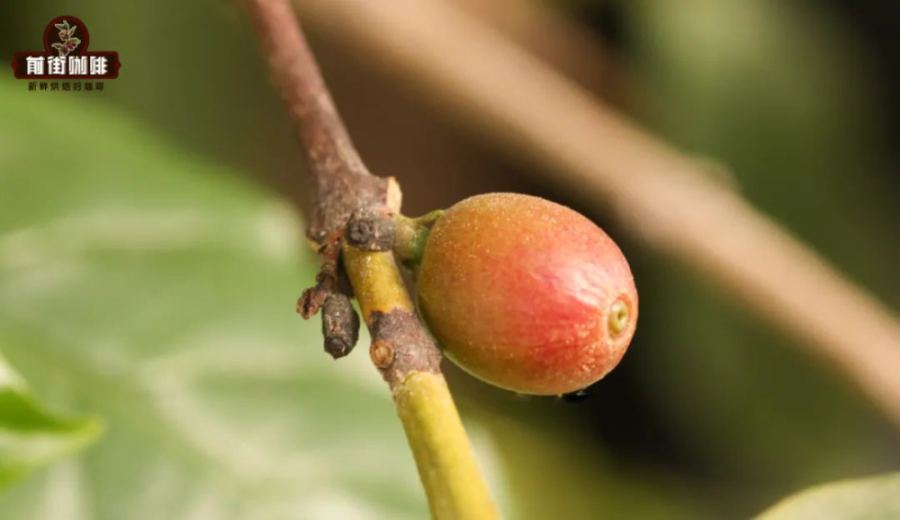
Introduction:Yellow Bourbon is a unique variety within the Bourbon family of the Arabica species, gaining attention for its distinctive yellow fruit and unique flavor profile. This article delves into how Yellow Bourbon originated from Bourbon Island, its evolutionary relationship with Red Bourbon and Typica, and analyzes its botanical characteristics and pour over extraction performance to help you better understand the cultivation and tasting essentials of this classic variety.
Within the diverse lineage of Arabica coffee varieties, Bourbon and Typica have long been regarded as two foundational varieties. The Bourbon family, in particular, has given rise to variant branches such as Red Bourbon, Yellow Bourbon, and Pink Bourbon. Many coffee enthusiasts, upon first encountering Yellow Bourbon, often wonder whether it is an entirely new variety or merely a color variation.
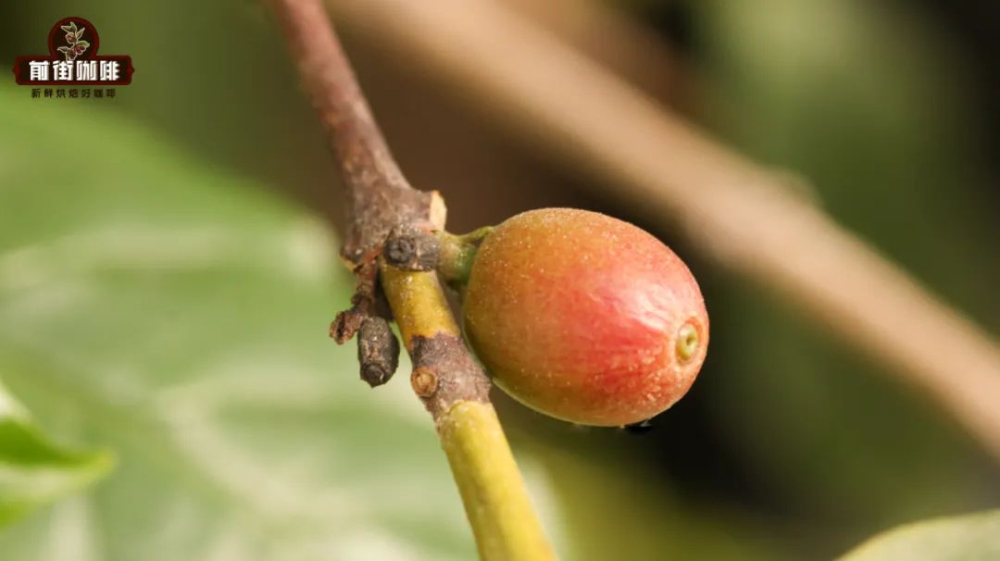
In fact, Yellow Bourbon belongs to the Bourbon family, but due to a natural genetic mutation, its fruits turn a bright yellow upon ripening, making it highly distinguishable in the plantation compared to the more common red-fruited Bourbon. This unique visual trait has also become an important basis for coffee farmers in selecting and cultivating this variety. This article will take you from the origins of Yellow Bourbon, clarifying its botanical kinship with Red Bourbon and Typica, and further understanding its position and characteristics within the coffee variety tree.
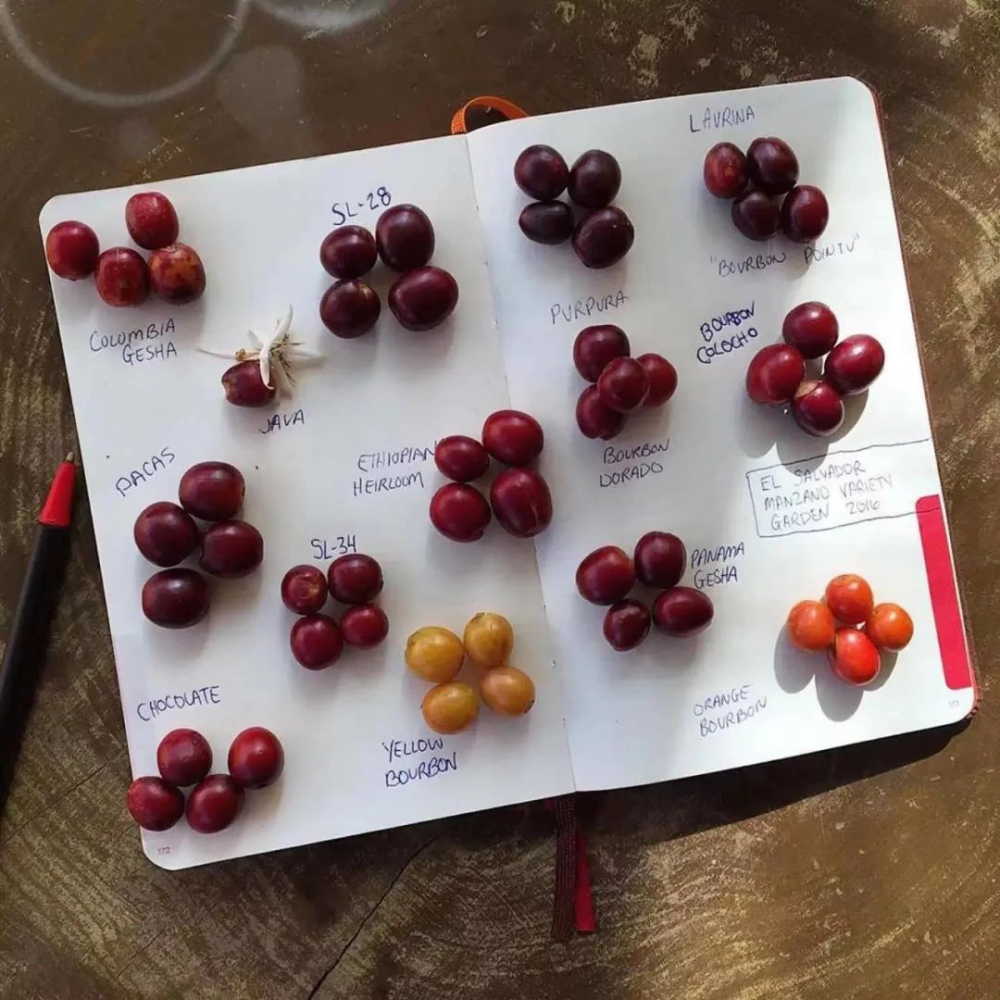
The history of Yellow Bourbon can be traced back to Bourbon Island, now known as Réunion Island. In the early days, the island primarily cultivated the red-fruited Bourbon variety. However, through natural propagation, some plants underwent genetic mutations that caused their fruits to turn bright yellow upon maturity. After long-term observation and selective breeding by farmers, these yellow-fruited mutants were eventually isolated and became what is known today as Yellow Bourbon. It is evident that Yellow Bourbon is not a new species, but rather a natural mutation branch of the Bourbon variety.
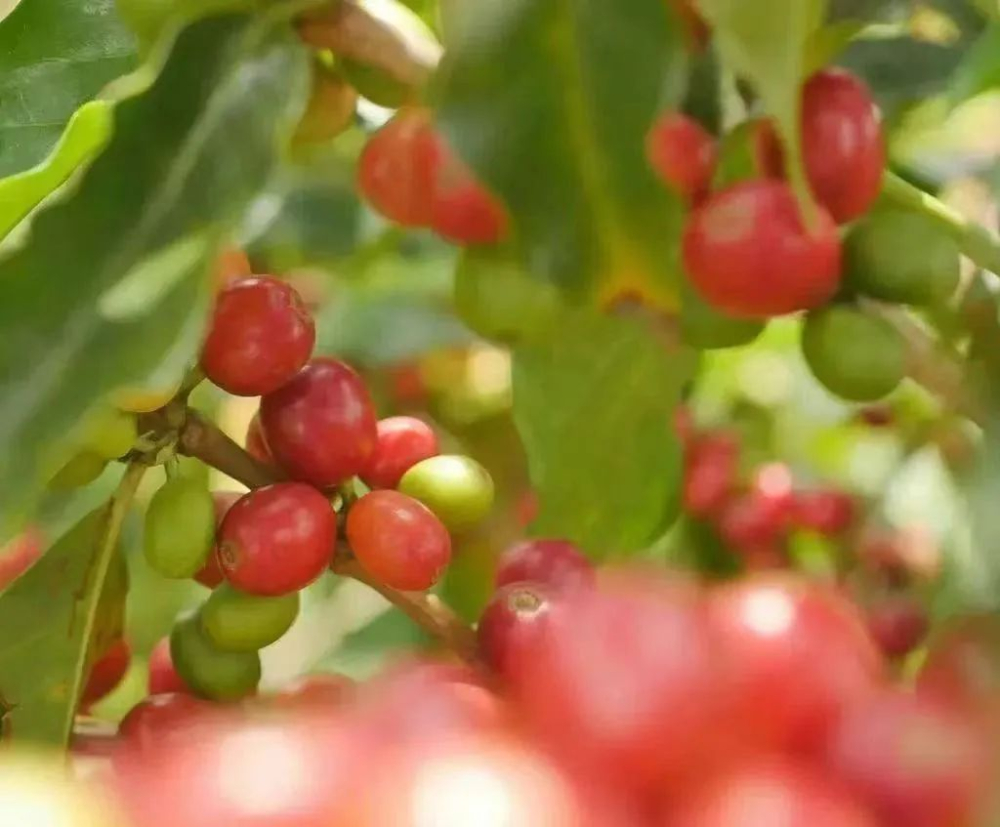
Exploring further the genetic relationships between Yellow Bourbon, Red Bourbon, and Typica, it can be found that while Typica and Bourbon both belong to the Arabica species, they have already diverged significantly in genetic structure. Typica, as one of the earliest coffee varieties to spread globally, traces its history back to the Ethiopian landrace, whereas Bourbon is a descendant of Typica that naturally evolved in the environment of Bourbon Island. Therefore, in terms of evolutionary sequence, Bourbon originates from Typica. Red Bourbon is the original form of the Bourbon family, while Yellow Bourbon is a variant formed through a subsequent mutation based on Red Bourbon. In short, Yellow Bourbon and Red Bourbon can be seen as 'siblings,' while their relationship with Typica falls within an 'parent-child' evolutionary linkage.
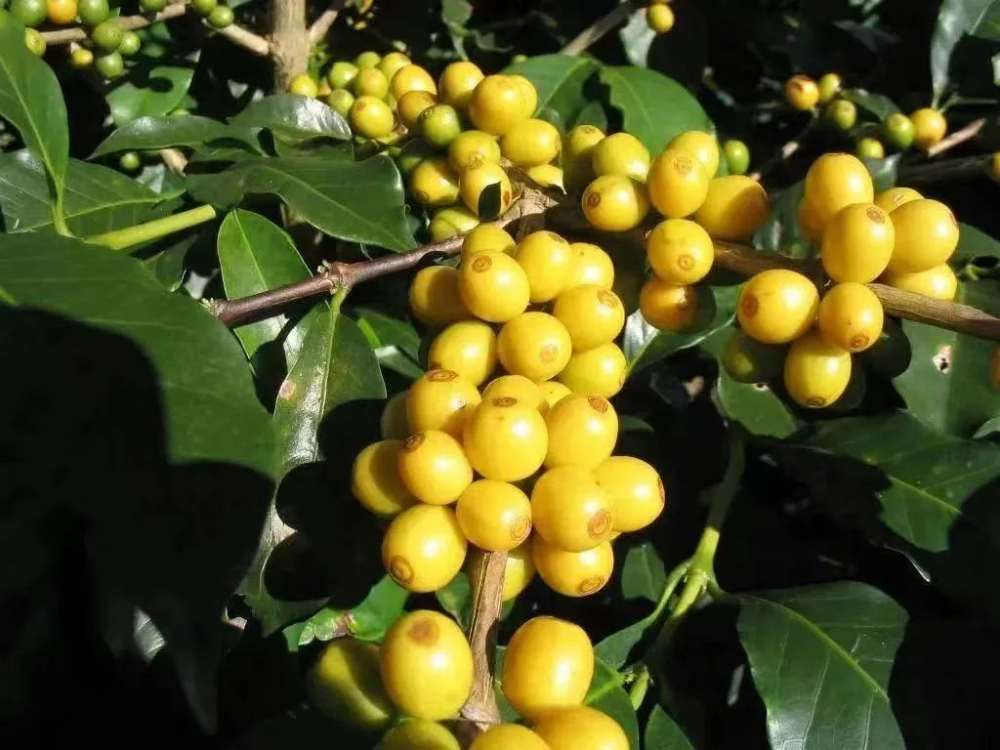
From a botanical appearance perspective, Yellow Bourbon trees are quite similar to those of Red Bourbon, both featuring dense foliage, but the young leaves often exhibit light green or yellowish-green tips, which is also a small detail that distinguishes them from other Bourbon variants. When the fruits reach maturity, the peel of Yellow Bourbon turns a vivid yellow, creating a strong contrast with the more common red peel. Additionally, Yellow Bourbon has a thicker flesh layer, which helps enhance sweetness, but the yellow exterior makes it harder to judge overripeness by color, thus requiring more precise timing during harvest. Notably, the yield per plant of Yellow Bourbon is generally slightly lower than that of Red Bourbon, which is also one of the reasons it has not been planted as widely as Red Bourbon.
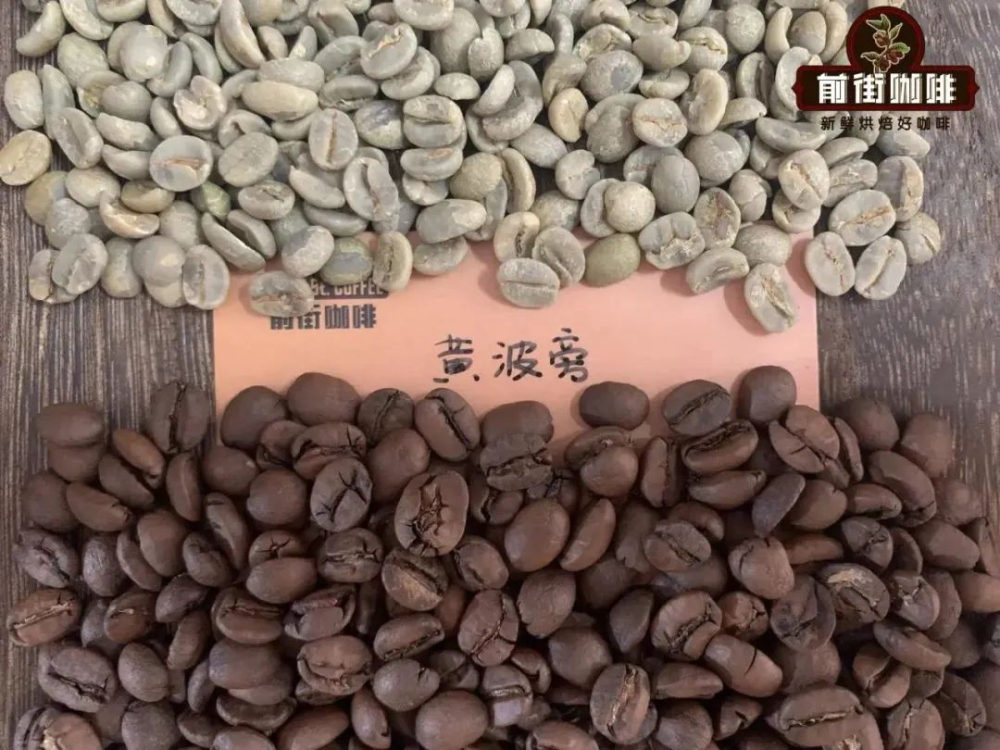
In terms of flavor profile, Yellow Bourbon exhibits a soft acidity, often accompanied by the sweetness of nutty and caramel notes, with an overall round and layered mouthfeel. Compared to Red Bourbon, the acidity of Yellow Bourbon tends to lean toward citrus or yellow lemon tones, with a clean and uncluttered aftertaste. Based on actual cupping experiences, Yellow Bourbon can present a balanced sweet-and-acidic profile at medium roast levels, making it very suitable for pour over coffee, and it can also serve as a base bean in espresso blends to add nuance and aromatic complexity.
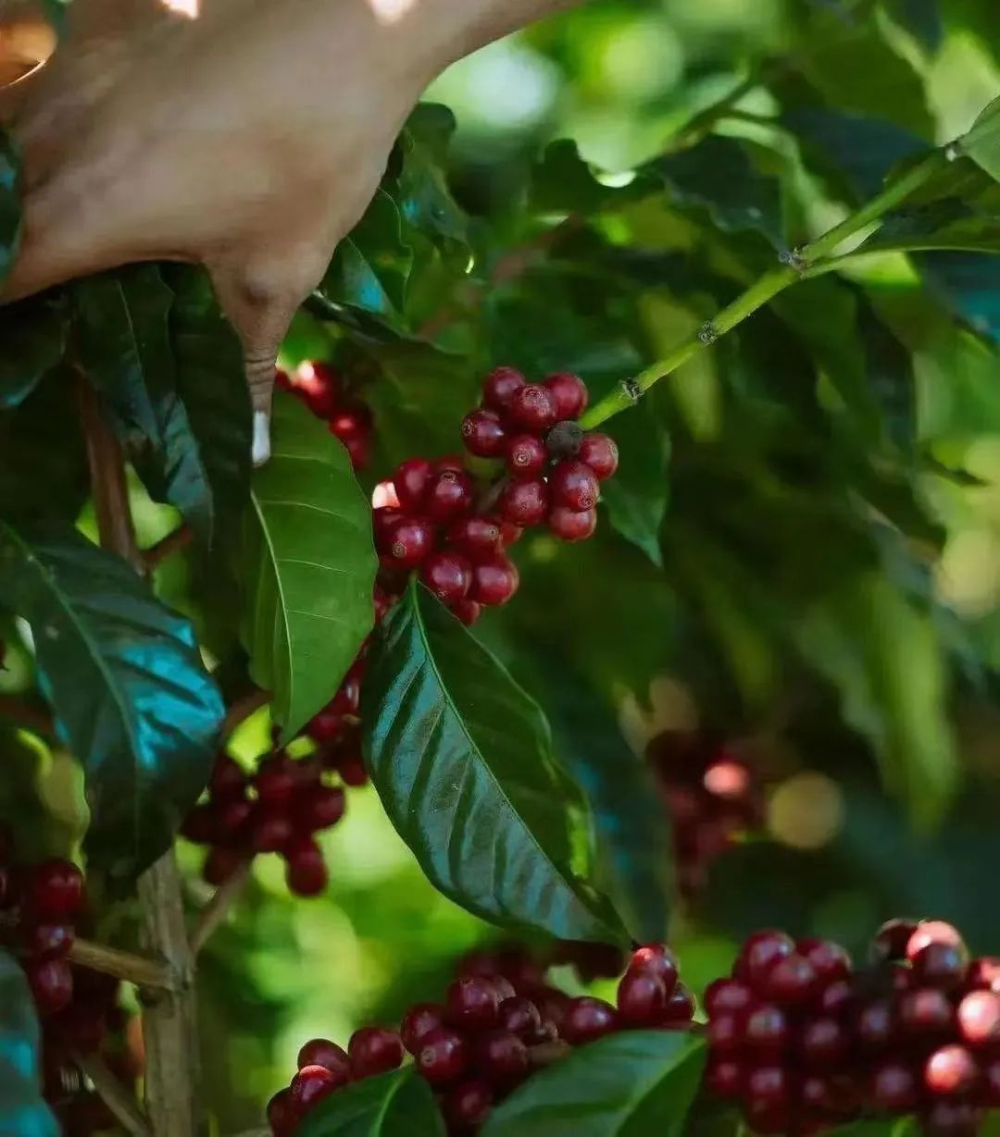
Currently, Yellow Bourbon has taken root in several renowned producing regions including Brazil, Colombia, and Guatemala, among which Brazilian-grown Yellow Bourbon holds a notable place in the specialty coffee market. If you wish to personally experience the unique flavors of Yellow Bourbon, feel free to try beans from different regions through various channels and observe how they perform under different processing methods and roast levels. Gaining a deeper understanding of Yellow Bourbon’s evolutionary journey and varietal characteristics not only enhances your ability to appreciate coffee flavors but also provides clearer insight into how Arabica varieties have gradually differentiated and adapted to various environments over the long course of history.
The above content is compiled by CoffeeHunters, a coffee news website.


