







Introduction:In recent years, information about independent coffee shop transfers has frequently appeared on social platforms, particularly among small-scale shops operating for one to three years. Many owners start out full of dreams but end up choosing to transfer their businesses in their entirety due to market competition and operational pressures. This reflects the real challenges of starting a coffee business. This article delves into the causes of the transfer trend, the operational difficulties faced by independent coffee shops, and the emotional and practical decisions made by owners, helping aspiring entrepreneurs avoid common pitfalls.
When an independently operated coffee shop that has been around for years decides to transfer in its entirety, it’s not just the bar equipment, decor, and business license that are handed over—it’s also a microcosm of the tug-of-war between dreams and reality. Recently, posts about coffee shop transfers have rapidly increased on social platforms, especially among small, single-owner establishments that are facing operational bottlenecks or even closure.
From diving into entrepreneurship with enthusiasm to gradually feeling the pressure and constraints of daily operations, many shop owners have experienced a noticeable shift in their mindset. What exactly is driving them to sublease the entire shop rather than selling equipment and assets separately? Within this wave of transfers, we also see industry observers re-examining the question: “Is opening a coffee shop really that difficult?”
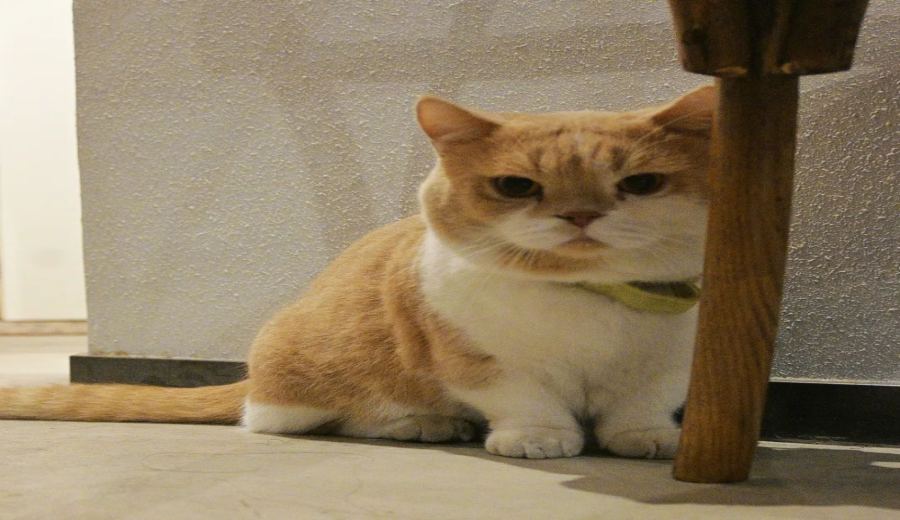
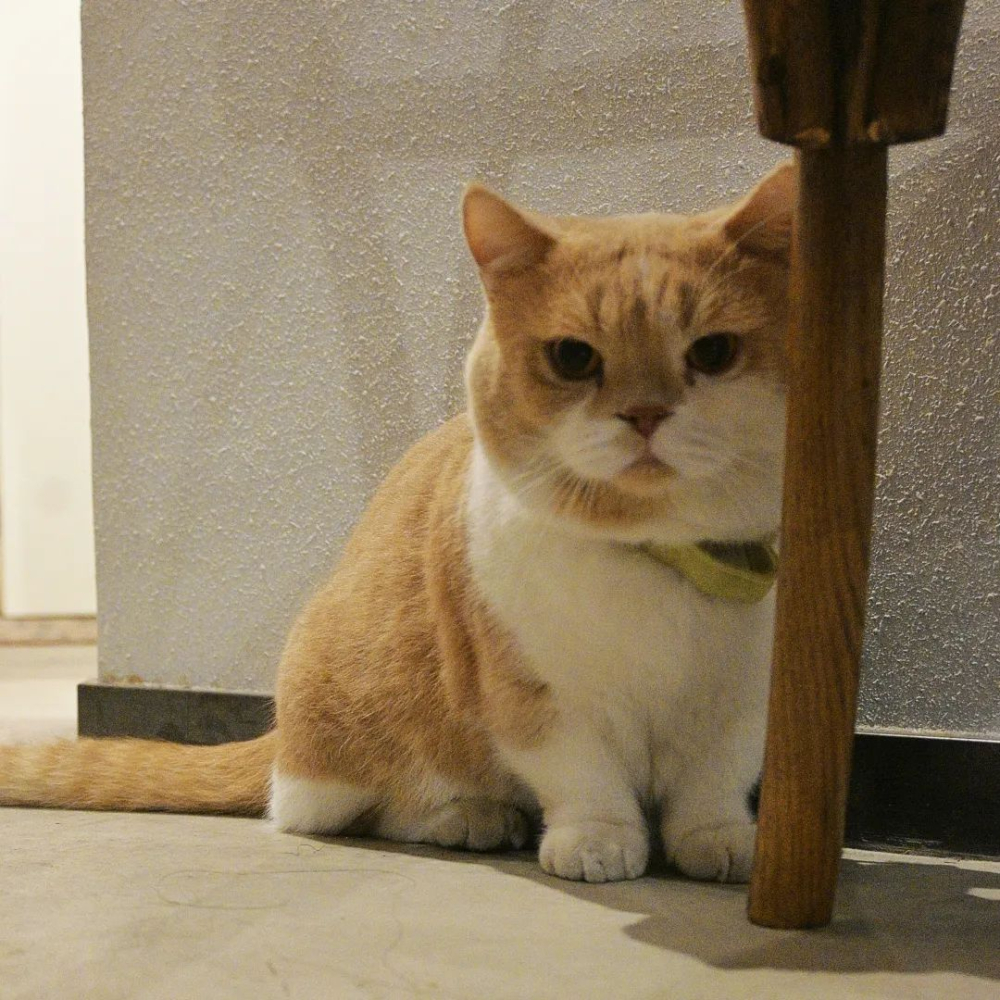
On a warm sunny morning, the owner of a frequented coffee shop served a freshly brewed flat white but wore an unmistakable look of sorrow as they said, “I’m not doing this anymore after today. As much as it pains me, I’ve decided to hand over the whole shop and take it (the cat in the shop) on a trip.” This conversation isn’t fictional—it’s a real story that happened recently. Originally, they had planned to hold on at least until the following spring, but they didn’t even make it to Christmas before ultimately deciding to let go.
When discussing the reasons for closing, he didn’t believe it was entirely due to the worsening market environment. The intense competition brought by capital entering the market is indeed real, but the bigger turning point was a change in his personal mindset—from initially diving in with passion to later being overwhelmed by daily operations and revenue figures. The coffee shop became a constraint on his life and freedom. He admitted that during this period, he not only failed to earn the income he had hoped for but also missed opportunities for further study and self-improvement.
As temperatures gradually drop, posts about “coffee shop transfers” on social platforms continue to increase, and the frequency of updates is getting higher. Observing these soon-to-close or already closed shops, most are small coffee shops operating for one to three years and are usually run by a single owner. Although the shop area is not large, essential equipment such as grinders, pour over tools, and espresso machines are all in place, along with the basic licenses required for operation and stable supply partnerships. With the right successor, the shop can resume operations almost immediately.
Many shop owners prefer to transfer the entire shop rather than sell items piece by piece, for very practical reasons:Selling professional-grade grinders like the EK43 or Galileo, or pour over equipment like Brewista pour over kettles, one by one on second-hand platforms is not only time-consuming but also may not yield ideal returns.In contrast, transferring the entire shop as a package allows for handling all equipment and the space at once, while also preserving the shop’s interior style, menu design, and even the story behind the shop name. For the next person taking over, it can save a lot of preliminary preparation work.
More importantly, many shop owners hope their hard work will be cherished, so if the successor is interested, they are also willing to share brewing techniques and operational insights. As one shop owner put it: “If someone takes over this shop in the future and even brings the cat back to visit, that would be perfect.” This emotional connection is often the hardest part to let go of during the transfer process.
Among the many owners who decided to transfer, one summarized their experience like this: “I started on impulse, but I ended after careful consideration.” This statement echoes the shared sentiment of many independent coffee shop entrepreneurs. The reason it’s called an impulse is because they initially stepped forward resolutely, driven by a love for coffee and the dream of running a shop, not wanting to leave any regrets in their lives. But as time passed and through long-term hands-on management and self-reflection, they gradually realized that with their current experience and resources, it was difficult to achieve the ideal level of operation or present coffee flavors and customer service that satisfied them.
Therefore, many owners choose to pause for a moment and view this experience as a learning journey in life. Although 2023 is not yet over, from the stories of these entrepreneurs, we can already clearly see a reality: the operating environment for the physical catering industry this year, especially for independent coffee shops, is full of challenges. On one hand, overall consumer spending power has declined, and customer foot traffic has noticeably decreased; on the other hand, a large number of inexperienced newcomers continue to enter the market, making competition even fiercer. Even though “prime location transfer” notices are everywhere, some still hold onto their dreams and choose to keep moving forward.
For readers who aspire to run a coffee shop, understanding the reasons behind this wave of transfers and the real challenges faced by shop owners during operations can undoubtedly help pave a more stable and clear path for future entrepreneurial endeavors.
The above content is compiled by CoffeeHunters, a coffee news website.


