







Introduction:Delve into Bolivia’s coffee industry, a landlocked South American nation, exploring the unique geography of its primary producing region Yungas, the coffee varieties and flavor profiles, and the transportation and economic challenges facing its development. Learn why Yungas coffee is renowned for its deep sweetness and berry notes, and the key details enthusiasts should consider when purchasing.
Landlocked in the heart of South America, Bolivia shares borders with Brazil, Peru, Chile, Argentina, and Paraguay but has no direct access to the sea. Although its overall economic development is relatively underdeveloped, it holds significant untapped potential in coffee cultivation—especially in the Yungas region, where coffee is celebrated for its rich sweetness and distinctive berry and dark fruit flavors. This article will detail Bolivia’s coffee-growing regions, the characteristics of its main cultivated varieties, the trajectory of its industry, and the various challenges it currently faces.
Dominated by mountainous and highland terrain, Bolivia can be broadly divided into three climate zones: tropical lowlands, central valleys, and the western highlands. Among these, the central valley region, with its moderate elevation and stable climate, serves as the country’s primary agricultural hub. The Yungas region, situated at elevations between 800 and 2300 meters, is not only Bolivia’s oldest coffee-growing area but also the source of approximately95%the country’s coffee bean output. The region’s cool climate and pronounced diurnal temperature variation provide ideal conditions for coffee cherry growth and flavor development.
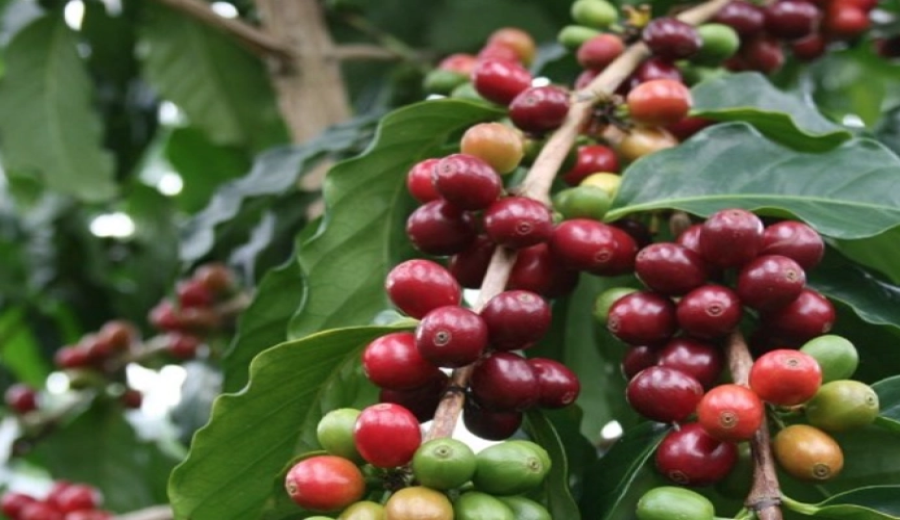
Coffee in the Yungas region is grown at altitudes ranging from800 to 2300 meters, with the main cultivated varieties including Typica, Caturra, and a small number of Java varieties. The harvest season typically runs fromJuly to November, and the resulting beans generally exhibit a deep, sweet flavor profile paired with gentle citrus acidity and layered black fruit and berry aromas. It’s worth noting that accessing the Yungas region often requires traveling along the infamous “Death Road”—a roughly 9-kilometer mountain highway connecting the capital La Paz to the Yungas area, where the elevation rises sharply from1200 meters to 4650 meters. With numerous sharp turns and treacherous road conditions, this route vividly reflects the hardships involved in both coffee production and transportation in the region.
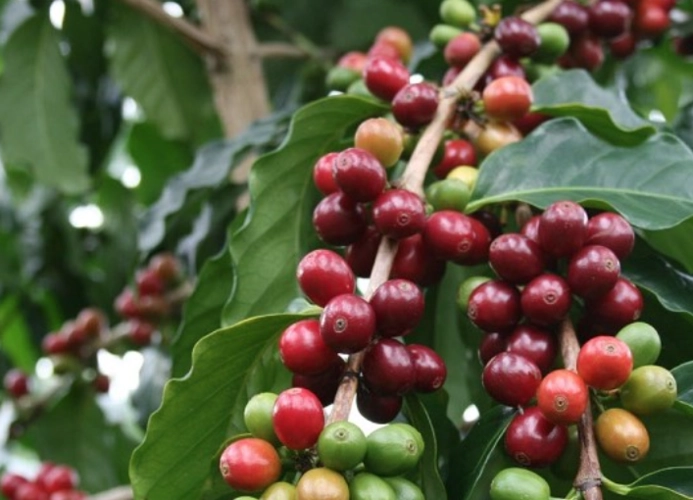
Beyond Yungas, Bolivia has two smaller coffee-producing areas, Santa Cruz and Beni. However, due to their generally lower elevations and the fact that coffee is not a major economic crop locally, the overall quality and distinctiveness of their output are less prominent. Yungas has become synonymous with Bolivian coffee not only because of its exceptional natural environment but also due to the historically accumulated cultivation techniques and varietal selection.
Looking back at the development of Bolivia’s coffee industry, there was once a notably glorious period, particularly in the 1980s when production reached a considerable scale. However, as a landlocked country lacking direct access to overseas ports, Bolivia faces complicated and costly export procedures. Additionally, coca leaf cultivation offers more stable market returns, prompting many coffee farmers to switch to growing coca for a more reliable livelihood. This shift dealt a major blow to Bolivia’s coffee industry until the 2004–2009 period, when the Cup of Excellence (COE) competition helped reignite international market interest in the country’s coffee.
Between 2010 and 2011, rising international coffee prices, coupled with economic aid from U.S. anti-drug programs, briefly encouraged some farmers to return to coffee cultivation and establish several primary processing facilities. Yet, as global coffee prices subsequently declined, many producers shifted back to coca cultivation, making it difficult for Bolivia’s coffee output and quality to develop steadily. Moreover, transportation bottlenecks remain a major obstacle for the industry. Whether exporting via the Brazilian Amazon basin or Chilean ports, high transit fees and lengthy shipping times further undermine Bolivia’s competitiveness in the international coffee market.
It’s worth mentioning that Bolivian coffee was not officially permitted to enter the Chinese market until2019, having previously enjoyed very low visibility in major global consumer regions. However, in recent years, certain specialty coffee beans from the Yungas region—known for their clean profiles and complex layers—have gradually emerged on the international scene, attracting attention from professional roasters and coffee enthusiasts alike. For consumers seeking to explore different flavor profiles, Yungas coffee is undoubtedly a choice worthy of deeper exploration, especially with its pronounced berry notes and sweet aftertaste that often deliver a delightful tasting experience.
In summary, although Bolivia’s coffee industry faces multiple challenges—including landlocked logistics, economic structure constraints, and market fluctuations—the high-quality coffee produced in the Yungas region, with its unique flavors and cultivation background, still holds a respected place in the global specialty coffee community. For coffee enthusiasts, paying attention to origin details and processing methods during purchase can help fully appreciate this distinctive coffee experience from the Andes.
The above content is compiled by CoffeeHunters, a coffee news website.


