








Introduction:Want to enjoy cold brew but can't wait for hours of extraction? This article compares three methods—10-hour cold brew at room temperature (23°C), 4-hour extraction with 40°C warm water, and 4-hour steeping with 92°C hot water followed by topping up with room temperature water—through experimentation. Using Colombian · Hanami beans, we analyze how different water temperatures affect the balance of acidity, sweetness, bitterness, and fermentation notes, helping you find the best way to quickly enjoy cold brew flavors.
Cold brew coffee is known for its low-temperature slow extraction, typically requiring 8 to 12 hours to develop its unique floral and fruity aromas and smooth mouthfeel. But what if you want to enjoy it the same day? Increasing the water temperature can indeed speed up extraction, but directly using hot water will ruin the essence of cold brew, causing the flavor to deviate from expectations. This experiment compares three different water temperature conditions: conventional 23°C cold water extraction for 10 hours, 40°C warm water extraction for 4 hours, and 92°C hot water pre-infusion followed by topping up with room temperature water for 4 hours. The coffee beans used are Colombian · Hanami, which feature pronounced berry acidity, delicate floral notes, and a unique pink peppercorn character.

Many coffee enthusiasts wonder: why does cold brew have to be done at low temperatures? In fact, a low-temperature environment effectively suppresses the premature release of bitter compounds, making acidic and sweet flavors more prominent. During coffee extraction, the release rates of acidic, sweet, and bitter substances vary. Acidic compounds dissolve first, followed by sweetness, while bitterness tends to be released in larger amounts later in the process. For this reason, extending the low-temperature extraction time helps preserve more enjoyable layers of flavor and reduces unnecessary astringency and off-flavors.
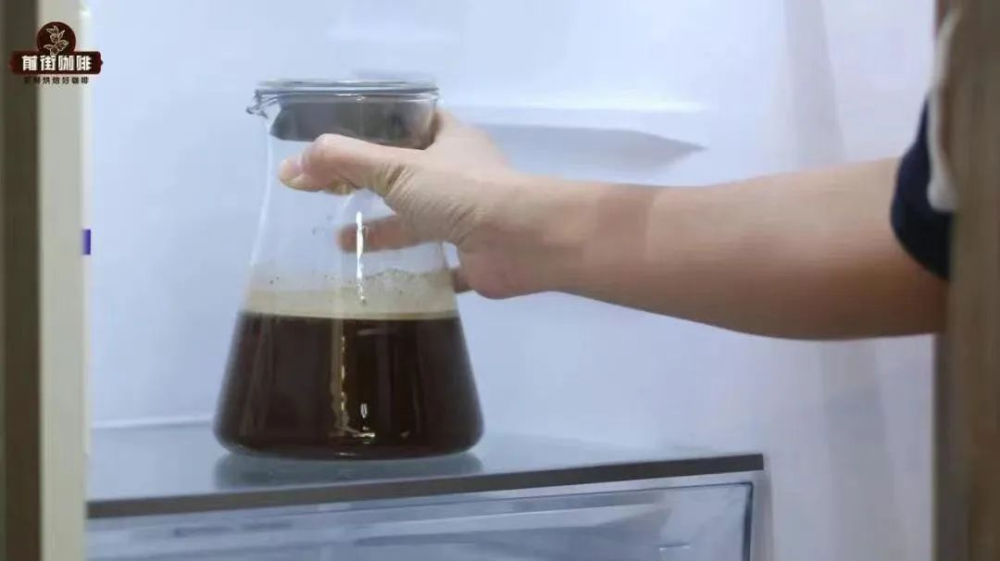
Some may ask, since increasing the water temperature speeds up extraction, can’t hot water simply shorten the waiting time? The answer isn’t so straightforward. While hot water can quickly extract a large amount of soluble substances, it can also cause bitter components to be overly released in a short period, leading to flavor imbalance. Therefore, the key lies in finding a “golden temperature” that improves extraction efficiency without introducing excessive bitterness or astringency.

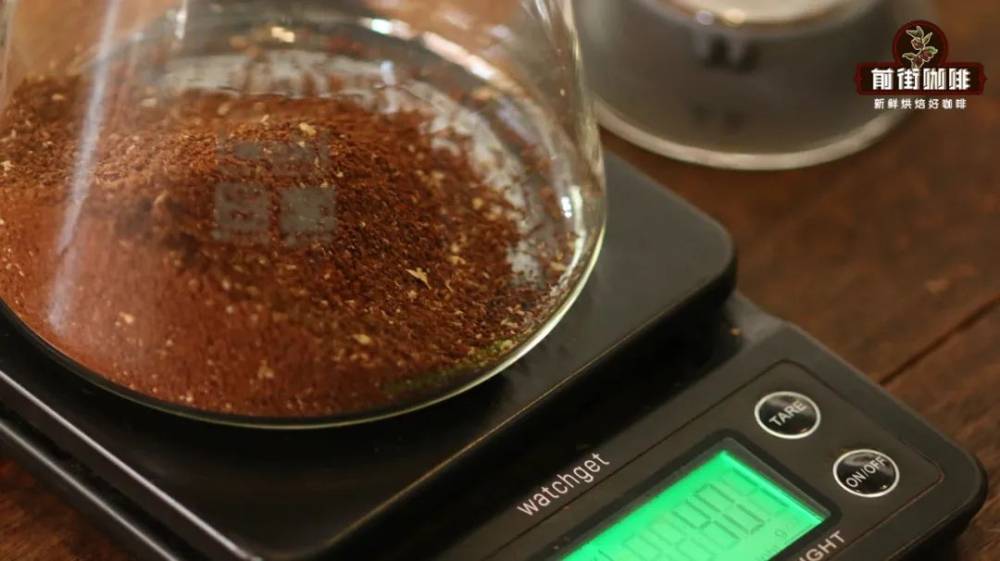
Preliminary research found that water around 40°C can strike a good balance between speed and flavor. This experiment takes it a step further by exploring whether using 92°C hot water for pre-infusion, then adjusting to the appropriate temperature with room temperature water, can yield even better results. Throughout the experiment, all recipes used 20 grams of coffee grounds with a uniform coffee-to-water ratio of 1:12, aiming to fairly compare performance differences under various water temperature conditions.
The conventional cold brew group used 23°C cold water with a refrigeration time set at 10 hours to simulate the traditional method; the warm water group used 40°C water for a 4-hour extraction; the hot water pre-infusion group first stirred 40 milliliters of 92°C hot water, then added 200 milliliters of room temperature water to lower the temperature, and continued refrigerating for 4 hours. The experimental results showed that the 40°C warm water group had a flavor profile closest to that of conventional cold brew, with noticeable fermentation notes and clear fruity acidity and sweetness, making it suitable for consumers who want to shorten the wait time but still pursue good flavor expression.
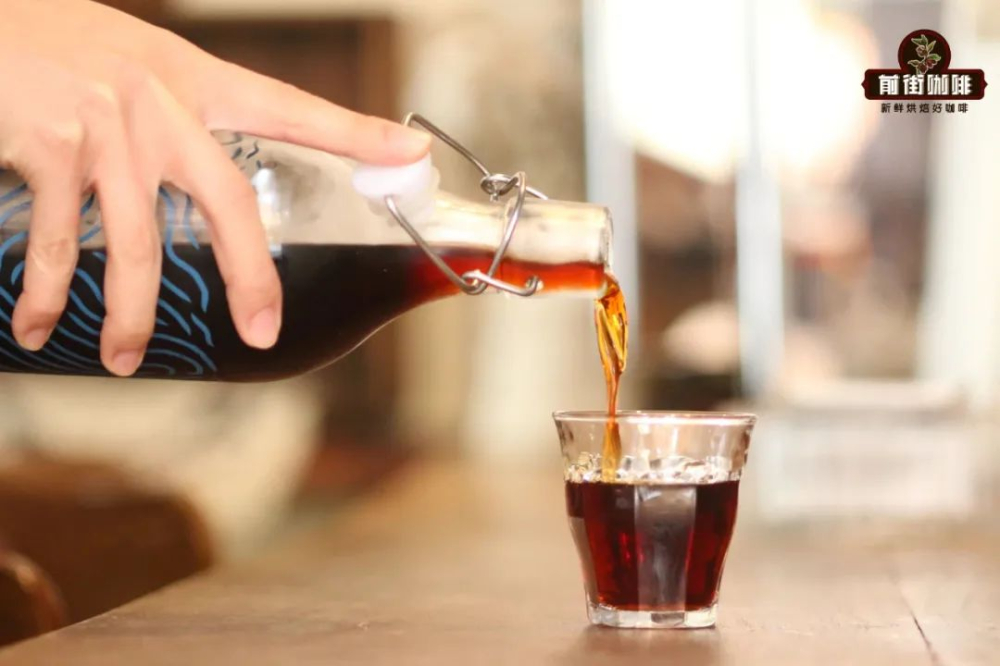
Conventional cold brew coffee exhibits rich berry flavors, with the spicy characteristics of pink peppercorn clearly distinguishable, along with a distinct fermentation sensation. The overall mouthfeel is as complex as a spiced strawberry drink. The 40°C warm water cold brew presents a more vibrant berry sweetness. Although its roundness is slightly inferior to the conventional version, the acid-sweet balance remains excellent, and the fermentation note is less pronounced due to the shorter extraction time. As for the 92°C hot water pre-infusion plus room temperature water group, its flavor profile is closer to that of iced pour over, with a relatively balanced ratio of acidity, sweetness, and bitterness, but the weakest fermentation sensation, and an overall presentation leaning toward a refreshing profile.
In practice, it is recommended to use an Ek43 grinder set to grind size 10, with a grind consistency between medium-coarse and fine, to facilitate sufficient contact between water temperature and coffee grounds. For the full warm water group, mix the coffee grounds directly with 240 milliliters of 40°C water, stir well, and refrigerate sealed. For the hot water pre-infusion group, first mix 40 milliliters of 92°C hot water with the coffee grounds, then add room temperature water to reach a total of 240 milliliters, stir again, and refrigerate. After refrigeration, it is recommended to filter using paper or cloth to achieve a clean mouthfeel.
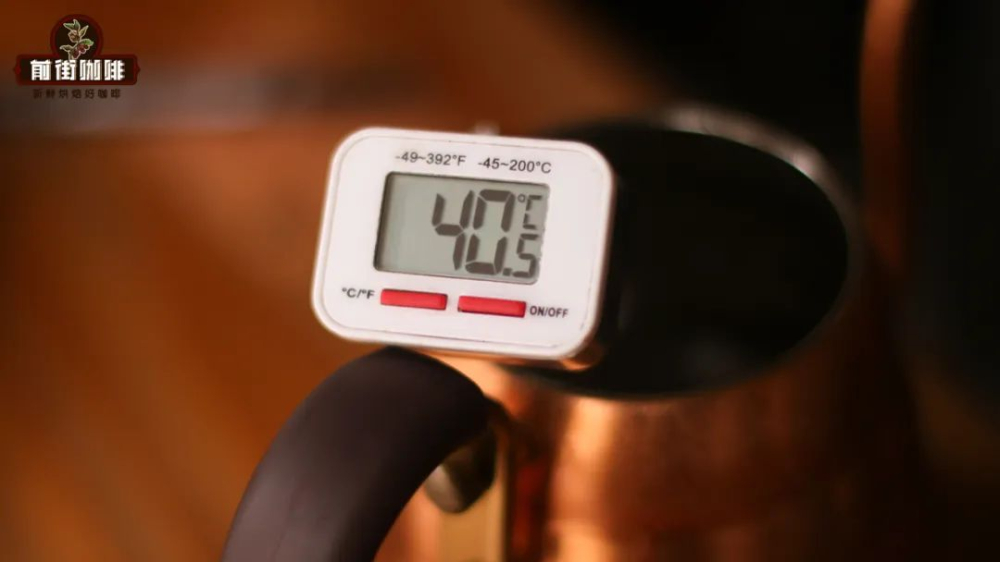
Based on comprehensive comparison, the conclusion is: if you’re eager to quickly enjoy a cup of coffee with flavors close to traditional cold brew, 4-hour extraction with 40°C warm water is a practical and highly effective compromise. Although it can’t fully match the complexity and fermentation notes of long-term low-temperature extraction, it provides a cold brew experience with noticeable fruity acidity and moderate sweetness in a short time—perfect for impatient coffee lovers who don’t want to compromise on flavor.

The above content is compiled by CoffeeHunters, a coffee news website.


