








Introduction:Spot coffee trading in Vietnam has cooled down, as farmers in the Central Highlands hold back shipments in anticipation of further price increases, leading to simultaneous rises in international futures prices for both Robusta and Arabica beans. This article delves into the changes in spot pricing from Vietnam’s producing regions, the latest trends in the futures market, and explores how farmers’ reluctance to sell is impacting the global supply chain—helping readers grasp the market logic behind price fluctuations and future purchasing trends.
Recently, the global coffee market has faced challenges due to tightening supply. Vietnamese coffee farmers, optimistic about future price hikes, have chosen to postpone their sales plans, resulting in more conservative spot trading in the Central Highlands. This phenomenon is directly reflected in the international futures market, where prices for both Robusta and Arabica have risen in tandem—with Robusta even reaching a 15-year high, drawing significant market attention.
In Vietnam’s most important coffee-producing region—the Central Highlands—the latest spot prices have climbed to between 63,500 and 66,000 Vietnamese dong per kilogram (approximately $2.62 to $2.72), up noticeably from the previous week’s range of 59,900 to 60,500 VND/kg. This price shift reflects farmers’ optimistic outlook on the future market but also poses challenges for immediate procurement needs.
Data from the London Stock Exchange shows that as of Wednesday’s close, the March-delivery Arabica coffee contract rose by 3.4 cents, or 1.8%, to settle at $1.8865 per pound, having briefly touched a seven-month high of $1.9195 per pound during the session. Meanwhile, Robusta coffee rose a cumulative $228 over the week to reach $2,769 per ton, having previously hit a 15-year peak of $2,810, indicating strong market demand.
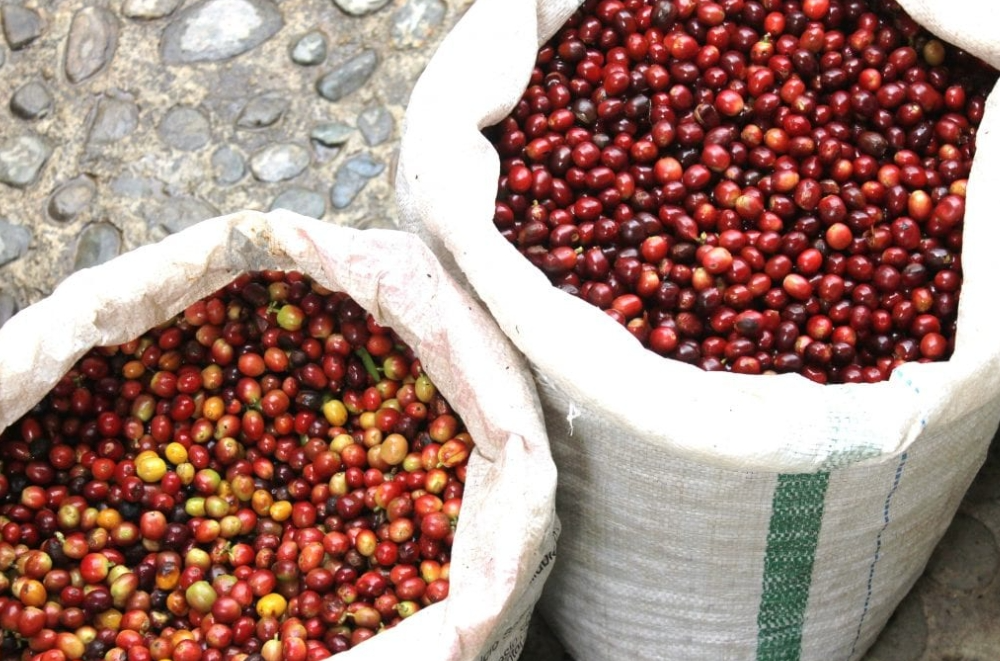
Expert analysis points out that Vietnamese farmers’ reluctance to sell mainly stems from expectations of continued supply tightness and rising prices. Local growers generally believe that with stable growth in international market demand, coffee prices still have room to move higher in the future, so they choose to hold inventory to gain greater returns. While this strategy affects short-term spot liquidity, it also provides price support for the futures market.
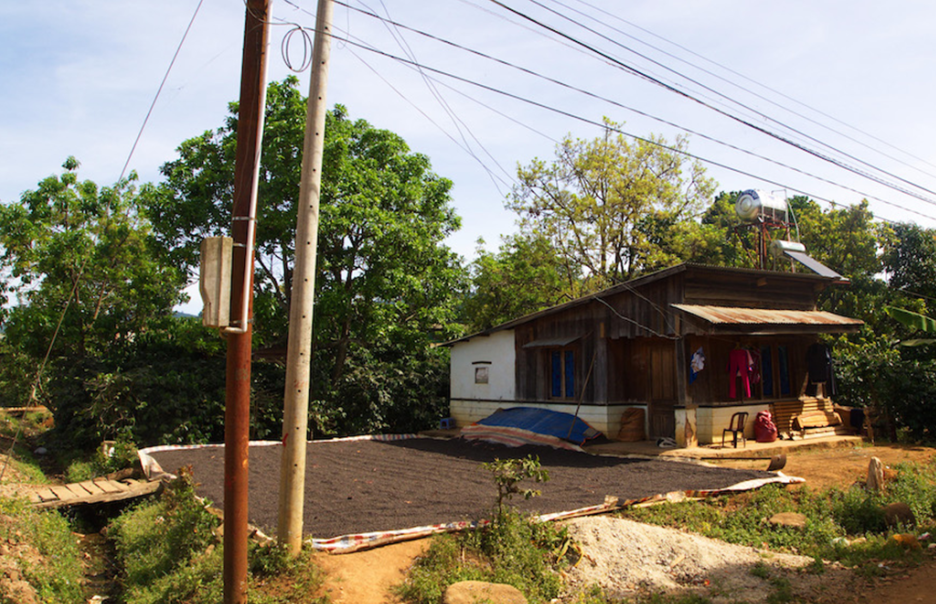
For industry players and consumers monitoring coffee prices, the current price volatility not only reflects supply-demand tensions but also signals potential upward pressure on future procurement costs. Understanding the spot dynamics in Vietnam’s producing regions and the trends in the international futures market can help develop more effective procurement strategies to adapt to market changes.
The above content is compiled by CoffeeHunters, a coffee news website.


