







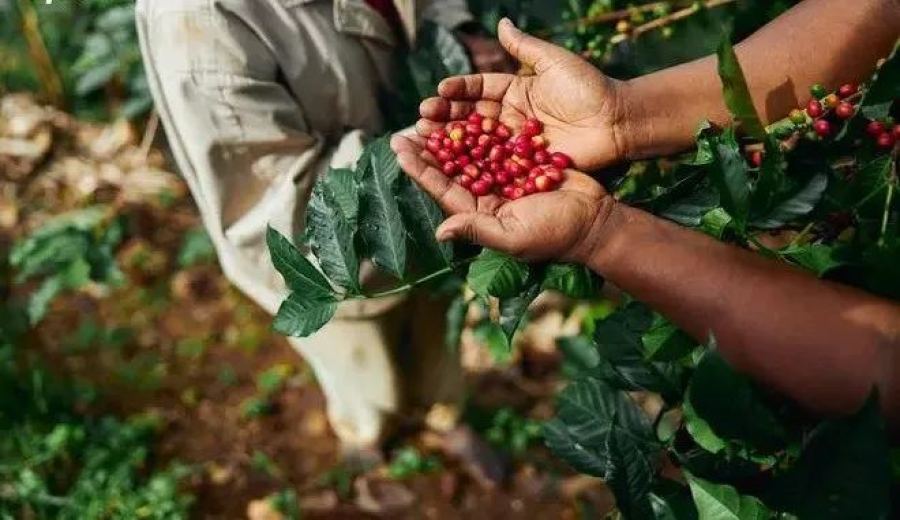
Introduction:Want to learn about Papua New Guinea coffee, often hailed as the "little Blue Mountain"? This article provides an in-depth analysis of the country’s major coffee-growing regions—including their geography, altitude, varieties, and flavor profiles—covering Eastern Highlands, Western Highlands, Chimbu, and Simbu (Jiwaka), as well as its rigorous defect grading system. Whether you’re looking for pour over coffee bean recommendations or want to explore unique regional flavors, you’ll find practical insights here.
Papua New Guinea is located in the southwest Pacific Ocean and is an island nation comprising over 600 islands. It borders Indonesia’s Papua Province to the west and faces Australia across the Torres Strait to the south. This island country boasts not only rich natural landscapes but is also one of the coffee-growing regions that specialty coffee enthusiasts can’t afford to overlook.
Coffee cultivation in the country began in the late 19th century, but it didn’t truly take off until 1926. At that time, coffee seeds introduced from Jamaica’s Blue Mountain adapted well to the local highland environment, gradually earning Papua New Guinea the reputation of the "little Blue Mountain." Afterward, the coffee industry expanded rapidly in 1928, especially during the 1950s and 1970s, when policy support and market demand led to a significant increase in smallholder participation. To this day, a high proportion of production still comes from small-scale farming.
Currently, around 95% of the country’s coffee production comes from smallholders, almost all of which are Arabica varieties, primarily Bourbon, Typica, and New World. Compared to large plantations, smallholder production may be on a smaller scale, but it often maintains more consistent quality and flavor profiles.
The terrain of Papua New Guinea is predominantly mountainous, with areas above 1,000 meters classified as having a mountain climate, while the rest have a tropical climate. The main coffee-growing areas are concentrated in highlands between 1,000 and 2,000 meters in altitude. Such elevations not only help coffee cherries ripen slowly but also impart richer flavor layers to the beans. The dry season in the region runs from May to October, while the rainy season is from November to April of the following year. Coastal areas have an average annual temperature of about 21–32°C, while highland temperatures are slightly lower, about 5–6°C less, with an average annual rainfall of around 2,500 mm, providing ideal conditions for coffee growth.
The country’s main coffee-growing regions are concentrated in several highland provinces. Eastern Highlands is the second-largest producing area, with coffee cultivation ranging from 400 to 1,900 meters in altitude. Located in the central mountain range of the island, it features typical mountain microclimates that are well-suited for specialty coffee.
Western Highlands is the most important coffee-producing region in Papua New Guinea and also the province with the highest output nationwide. The area around Mount Hagen, the provincial capital, is the core coffee-growing zone. The city’s name originates from an ancient dormant volcano. With altitudes ranging between 1,000 and 1,800 meters, it is one of the most suitable areas for growing premium Arabica.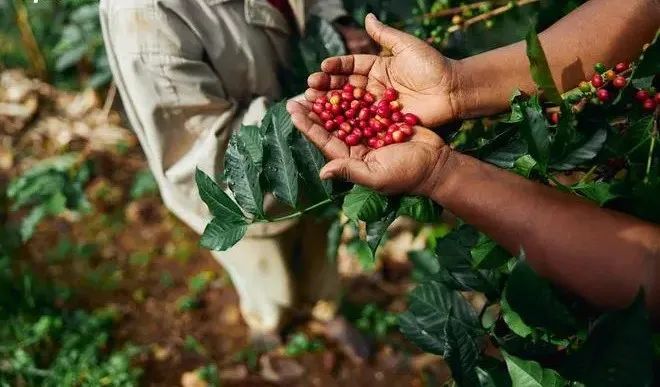 We once featured a washed coffee bean from Heaven Bird Estate in Western Highlands, which exhibited a clear flavor profile with distinct notes of caramel, cocoa, and almond. It had a smooth mouthfeel and well-defined layers, making it an excellent choice for pour over enthusiasts.
Chimbu (Jiwaka) Province is located in the central part of Papua New Guinea, where the Wahgi River flows through the main valley, flanked by steep volcanic and ridgeline terrain. The altitude ranges between 1,400 and 2,000 meters, and the main varieties grown are Typica, Bourbon, and New World, making it one of the regionally significant producing areas.
Chimbu Province is an inland mountainous region. Although its output accounts for only 7% of the national total, with altitudes ranging from 1,300 to 1,900 meters, it still has the potential to produce high-quality coffee. However, compared to other regions, its overall output scale is relatively smaller.
In terms of quality management, Papua New Guinea grades its coffee strictly based on the number of defects, with a total of 12 grades nationwide. This grading system effectively distinguishes the purity and overall quality of the beans, serving as an important reference for importers and roasters when selecting green coffee. Generally speaking, the fewer the defects, the more refined the processing and sorting of that batch of coffee, and the greater the potential for outstanding flavor expression.
In summary, although Papua New Guinea is not the world’s largest coffee-producing country, its smallholder-intensive farming model, unique highland environment, and historical ties to Blue Mountain have created a distinctive and highly promising specialty coffee. If you’re looking to try something different from the flavors of Central and South America or Africa, why not start with this "little Blue Mountain" and experience its delicate, balanced profile with underlying notes of nuts and chocolate.
The above content is compiled by CoffeeHunters, a coffee news website.


