







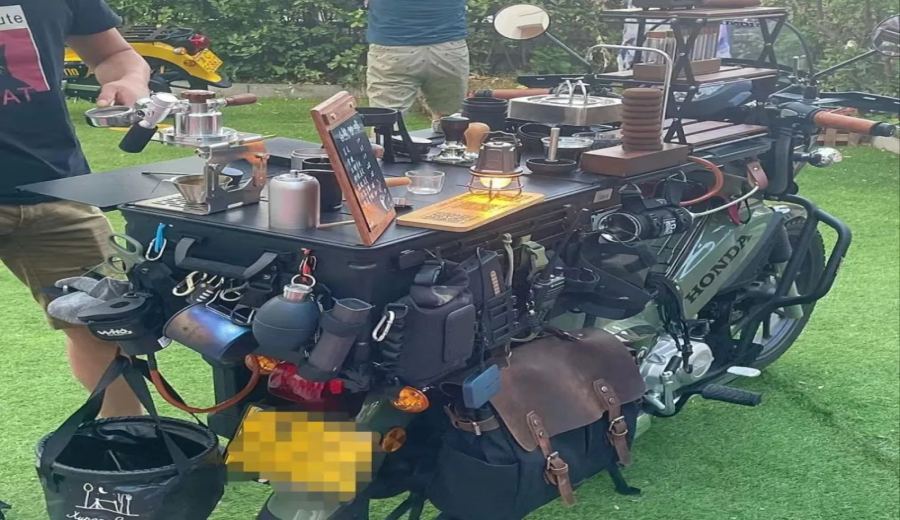
Introduction:Mobile coffee carts have evolved from large car trunks to nimble two-wheeled vehicles. The popularity of pour over coffee has significantly lowered the barriers to entry for entrepreneurship. This article analyzes the key reasons behind this lightweight transformation, explores the flexible advantages of two-wheeled coffee carts, and examines challenges such as business licensing and food safety, helping readers understand the trends and practical details of this emerging industry.
Since the rise of the street vendor economy, mobile coffee carts have become an unmistakable sight on urban streets. In the early days, these carts mostly utilized car trunk spaces equipped with full espresso machines, including grinders and even generators for power. These carts primarily served traditional espresso-based drinks like espresso and lattes, meeting consumers’ expectations for familiar coffee flavors.
However, as specialty coffee culture has gradually gained popularity, pour over coffee has become increasingly favored for its light flavor and refined brewing process. Compared to the bulky equipment and high energy consumption required by espresso machines, pour over coffee only needs basic tools such as hot water, a filter dripper, and a pour over kettle to brew a cup of coffee with distinct flavors. This shift has driven mobile coffee carts toward a more lightweight direction, with vehicles transitioning from car trunks to more agile motorcycles, small electric vehicles, and even bicycles or camping carts.
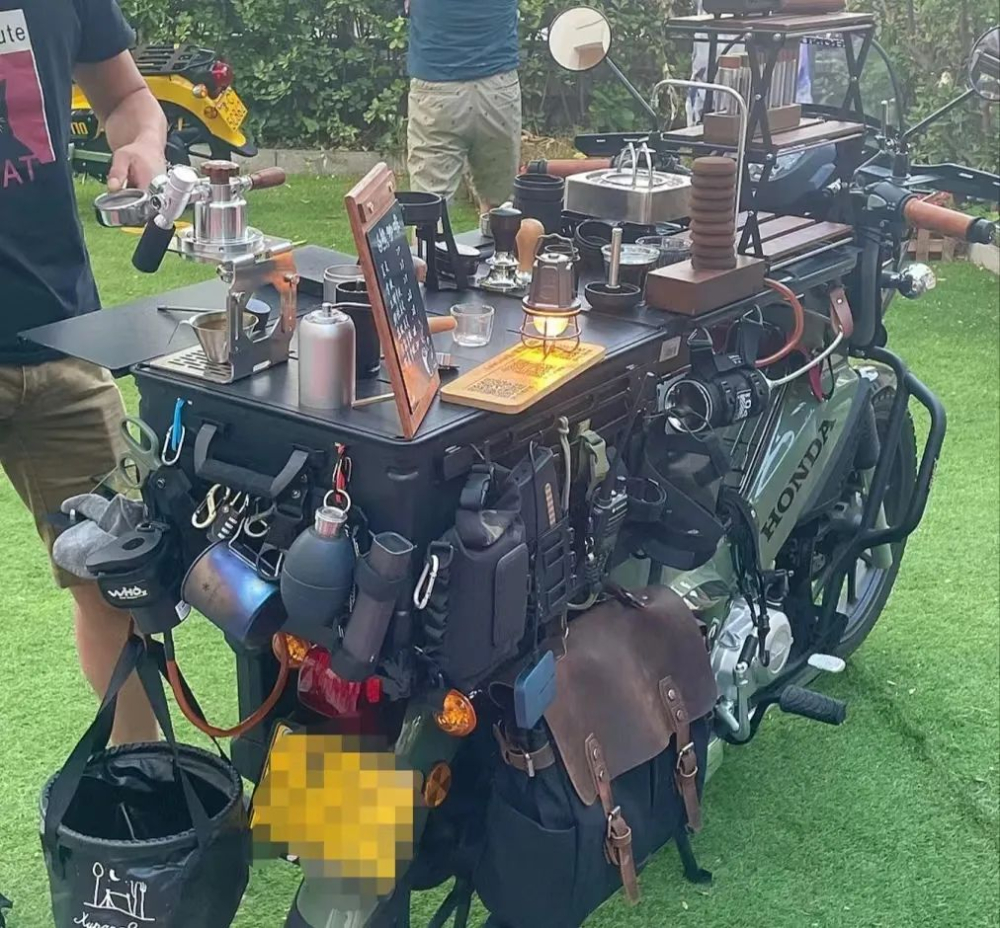
Among these lightweight carriers, two-wheeled vehicles are the most popular. By simply adding a simple platform to the rear seat, it can be transformed into a mobile workstation for baristas. Without the need for complex equipment, just a kettle of hot water is enough to brew a fresh cup of pour over coffee on the roadside for customers. For startups, this model not only saves on equipment costs but also greatly lowers the operational threshold. There’s no need for a large investment in purchasing a car, nor dealing with high fuel or electricity expenses, making it easier for more people to venture into the coffee business.
Compared to traditional coffee shops, while mobile coffee carts may not offer a wide variety of drink options, their greatest advantage lies in their high mobility and flexibility. Whether by the roadside, on mountain trails, at beach shores, or even in snowy scenic spots, as long as they find a suitable spot to park, the coffee cart can blend into the surrounding environment, creating a unique urban scene. This go-anywhere, stop-anywhere characteristic also makes it a popular photo spot on social media, attracting many young consumers to stop, take pictures, and share.
This trend of mobile coffee carts has not only attracted individual entrepreneurs but also caught the attention of major coffee brands. Well-known brands such as Starbucks, Manner, Peet’s Coffee, and Blue Bottle have all launched their own mobile coffee carts, occupying various corners of the city and engaging more closely with consumers. This strategy not only expands brand reach but also leverages the mobile nature to penetrate areas that traditional stores find hard to reach, creating more business opportunities.
However, the rapid development of mobile coffee carts also comes with numerous challenges. One of the most concerning issues is business licensing and food safety. Since most mobile coffee carts operate as mobile vendors, they often struggle to meet government regulations for fixed-store businesses, including business licenses and food production permits. Additionally, limited vehicle space makes ingredient storage and hygiene management more difficult, further raising consumer concerns about food quality and safety.
For many consumers, although mobile coffee carts offer novelty and convenience, they still tend to prioritize coffee shops with fixed seating and shelter from the elements when making choices. Mobile coffee carts more often play the role of a ‘chance encounter,’ becoming an option for passersby to briefly stop and enjoy a cup of coffee, rather than a primary place for daily purchases. Therefore, how to balance quality, service, and compliance while operating in a mobile setup will be a key challenge for the future development of this emerging industry.
The above content is compiled by CoffeeHunters, a coffee news website.


