







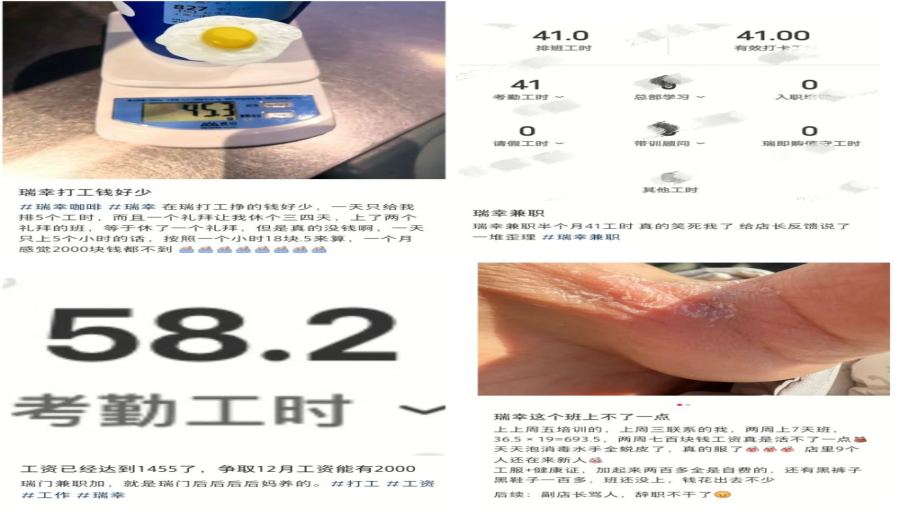
Introduction:As winter arrives, part-time baristas at Luckin Coffee face reduced working hours, with monthly salaries often as low as 2,000 RMB, in addition to enduring strict quality control inspections and mandatory overtime after store closing. This article delves into Luckin’s in-store quality standards, the real workflows of employees, and its part-time employment system, uncovering the lesser-known challenges behind the role of a barista to help readers fully understand the actual conditions of this job.
Recently, many part-time Luckin employees have shared on social media about reduced scheduling and monthly salaries of only around 2,000 RMB, sparking widespread discussion. With the onset of winter, Luckin stores have generally cut back on part-time hours, with schedules of just five hours a day, three or four days a week becoming common. Hourly wages vary by region, ranging from as low as 10 RMB to as high as 25 RMB, but due to compressed hours, most employees end up earning only around 2,000 RMB per month.
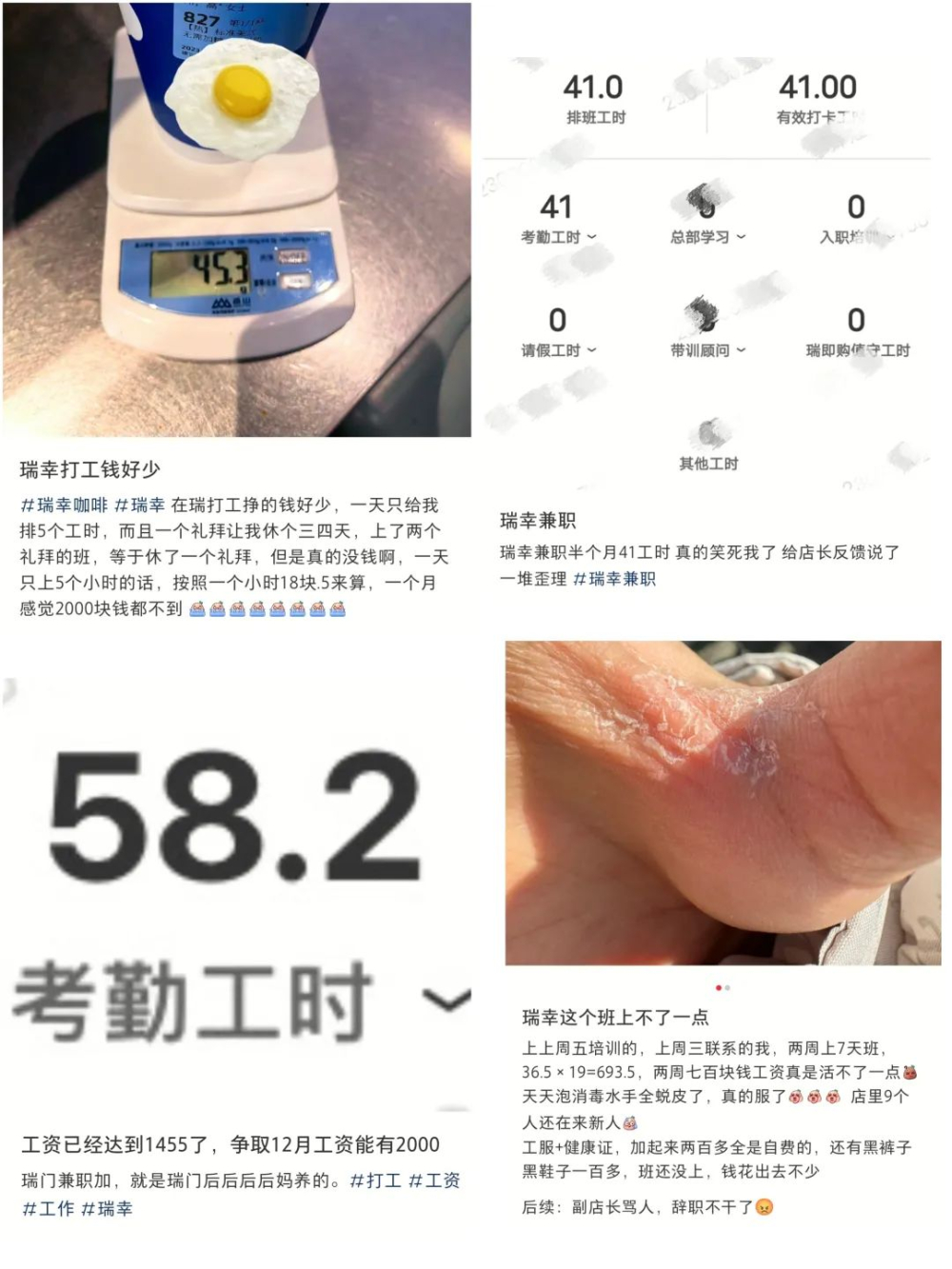

The previously much-discussed issue of “Luckin baristas’ damaged hands” has already revealed the hardships behind this job. In addition to hand injuries caused by frequent handwashing and exposure to disinfectants, employees must also constantly maintain store cleanliness and be ready for sudden quality control checks.
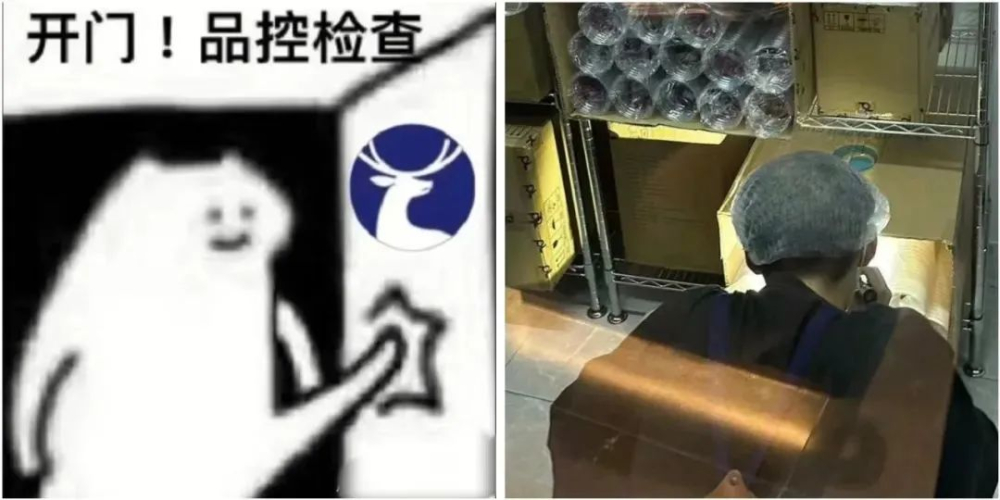
Quality control is arguably the biggest source of stress for Luckin employees. Luckin enforces extremely strict hygiene standards for its stores, which are divided into on-site and video inspections, with a total of five scoring categories. These are ranked by severity as: S, M, N, L, and suggestions, with a full score of 100. A minimum score of 80 is required to pass.

Among these, S items are jokingly referred to by staff as “death items,” primarily involving food safety and serious cross-contamination issues such as metal, ceramic, glass shards, or pests. If an S item is found, the store will immediately lose 5 points from the base score of 80, instantly failing the inspection and potentially leading to the dismissal of the store manager, assistant manager, shift supervisor, and all on-duty staff.
M and N items focus on general food safety risks, cross-contamination, and cleanliness issues—such as whether small utensils are thoroughly washed, whether towels are properly placed, and whether cabinet doors are clean. Failure in any of these categories can affect the overall score.
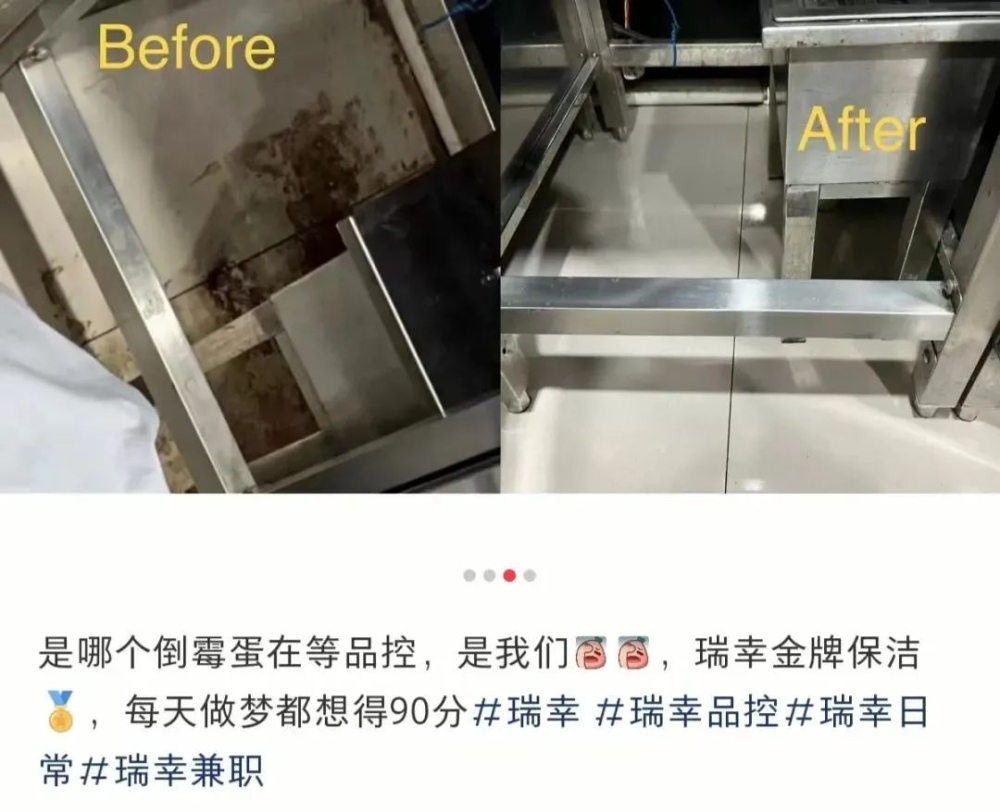
In addition, video surveillance checks should not be overlooked. Cameras inside Luckin stores offer high-definition video and audio recording capabilities, with footage stored for up to a week and transmitted in real time. AI or regional managers may randomly review recordings of staff operations. If a barista fails to stir the coffee adequately during preparation or does not wash their hands immediately after touching something dirty, points can be deducted. This is why staff frequently wash their hands and clean repetitively, striving to meet every detail of the standards.
Beyond making coffee and cleaning, employees are also responsible for inventory checks. For those working late shifts, the closing procedures are even more tedious. Although tasks like sweeping, mopping, checking inventory, printing ingredient expiration dates, and taking photos can be done in advance, there are still multiple steps that must be completed after closing: washing all equipment, emptying leftover ice, wiping syrup pump nozzles, and covering pumps and coffee machine dispensers with cling film. These steps often take an extra15 minutes to one hour, and in most cases, count as unpaid overtime without additional compensation.

It is understood that most Luckin baristas are part-time, categorized into student part-timers, social part-timers, and “part-time plus.” Student and social part-timers enjoy more flexibility with no hour restrictions, while “part-time plus” requires meeting a minimum monthly hour quota, typically between120 to 150 hours, and not exceeding 200 hours. Those who obtain barista certification or shift leader qualifications not only receive higher hourly wages but are also given priority in scheduling.
Many employees admit: “Some people may look like baristas, but they’re actually all-around cleaners.” Under the current conditions of reduced hours and limited pay, many part-time baristas lament: “When the paycheck comes, it’s just 2,500 RMB—but life’s pressures hit harder than caffeine!”
The above content is compiled by CoffeeHunters, a coffee news website.


