







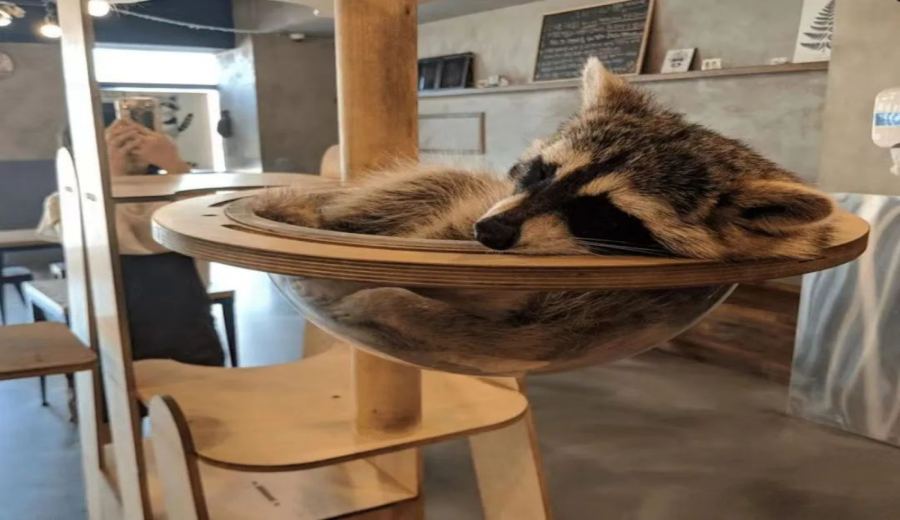
Introduction:South Korea has passed new legislation to comprehensively regulate wildlife-themed cafés, with a ban on operating businesses featuring animals such as raccoons and meerkats starting in 2027. The new regulations strictly standardize animal display environments and care conditions, with violators facing fines of up to over NT$500,000. This article analyzes the key points of the revision, the transition period arrangements, and the operational transformation challenges faced by global animal cafés.
In recent years, globally themed cafés featuring cute animals to attract customers have become popular—from common cats and dogs to “zoo-level” animals such as raccoons, meerkats, and even owls. However, this business model has long sparked debates over animal welfare, and South Korea has recently passed an amendment to the Wildlife Protection Act.Starting in 2027, all wildlife-themed cafés primarily featuring animals such as raccoons will be completely banned.A transitional period is currently in place until 2027, during which environmental, dietary, and management standards for animal display venues will be raised, with violators facing substantial fines.
These animal-themed cafés have rapidly expanded in recent years, extending from traditional cat cafés and dog cafés to include farm animals such as ducks, rabbits, and goats, as well as rare species like ferrets, hedgehogs, owls, meerkats, and raccoons as "cute attractions."Take South Korea’s well-known “Raccoon Cafe” as an example—it attracted numerous enthusiasts who visited specifically for the raccoons, but this model has also drawn significant attention from animal protection groups.
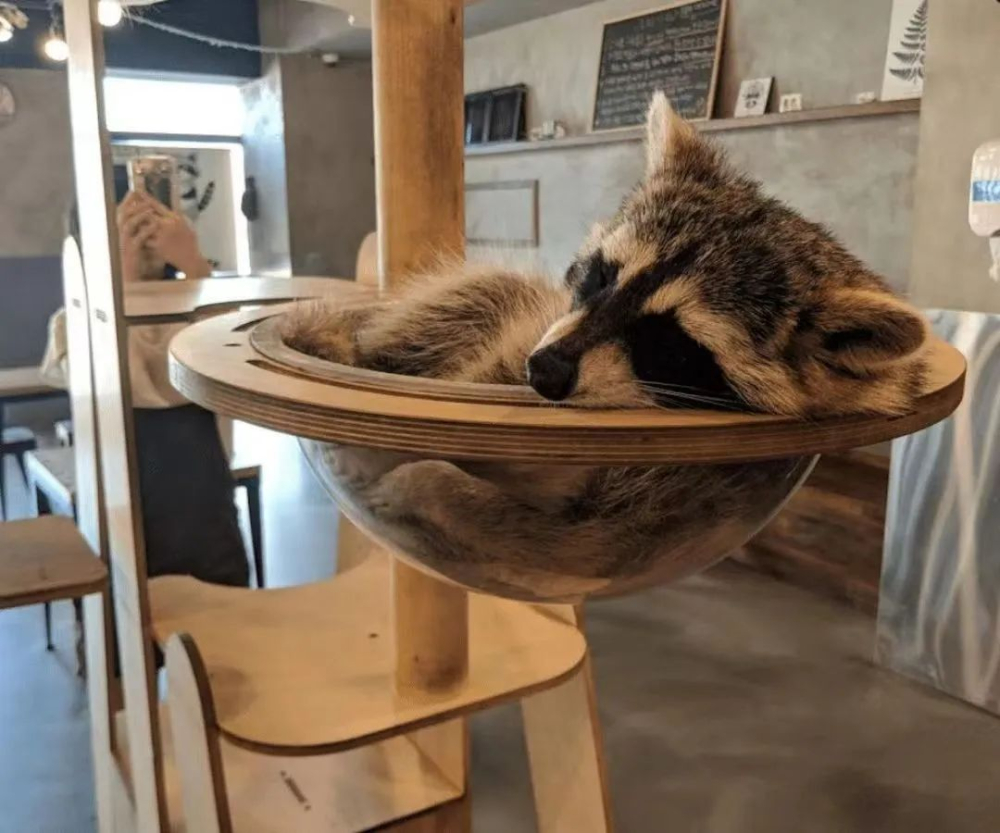
On December 5, South Korea’s Ministry of Environment announced that the Cabinet had passed the legislative amendment, requiring anyone keeping or displaying animals to obtain a permit, andexplicitly banning the operation of cafés featuring wildlife such as raccoons.Key points of the amendment include: a general ban on displaying wildlife in non-registered zoos or aquariums; prohibiting any acts causing pain to animals for entertainment purposes; and requiring registered zoos and aquariums to discontinue dolphin performances.
The revision also relaxes certain display restrictions for common animals—such as pet dogs, cats, domesticated animals, and some bird species may continue to be displayed; reptiles including turtles and snakes (excluding venomous species) are also permitted; and species posing low zoonotic disease risks or minimal harm to humans may be shown.
According to South Korea’s JoongAng Ilbo, the new rules require display facilities to provide animals with environments close to their natural habitats and regularly supply food commonly found in the wild,a significant upgrade from previous regulations that only mandated basic display spaces.Additionally, operators must submit detailed animal management plans to ensure that rearing conditions meet animal welfare standards.
In consideration of businesses’ need for adjustments, the South Korean government has set a transition period to allow companies time to renovate facilities and apply for permits.However, starting in 2027, all cafés that interact with wildlife such as raccoons will be fully shut down,including behaviors like riding animals that may cause stress, which will be deemed illegal—with fines ranging from 1.5 million to 5 million KRW (approximately 8,175 to 27,300 CNY) per offense.
This legislative revision serves as a benchmark for the global animal-themed café industry, reflecting the growing emphasis on animal welfare across countries. Moving forward, businesses may need to adjust their operational models and seek more animal-friendly directions.
The above content is compiled by CoffeeHunters, a coffee news website.


