







Introduction:Have you ever wondered whether the temperature of an espresso portafilter can affect the final flavor profile of your coffee? One brand conducted a rigorous comparative experiment, testing three portafilters at different temperatures (stored at room temperature, refrigerated, and preheated in the machine’s cup warming tray) using the same coffee beans and extraction parameters. The results showed that temperature differences not only affected extraction time and temperature but also significantly altered the flavor layers. This article delves into the experimental process and tasting results to help you understand how portafilter temperature can influence every shot of espresso you make.
When making a shot of espresso, many baristas and coffee enthusiasts often focus on variables such as grind size, dose, tamping pressure, and extraction time, while paying less attention to a seemingly minor yet potentially crucial factor—the temperature of the portafilter itself. One brand took this often-overlooked detail and conducted a triple comparative experiment to explore how the portafilter’s temperature at different states actually impacts the final espresso flavor.
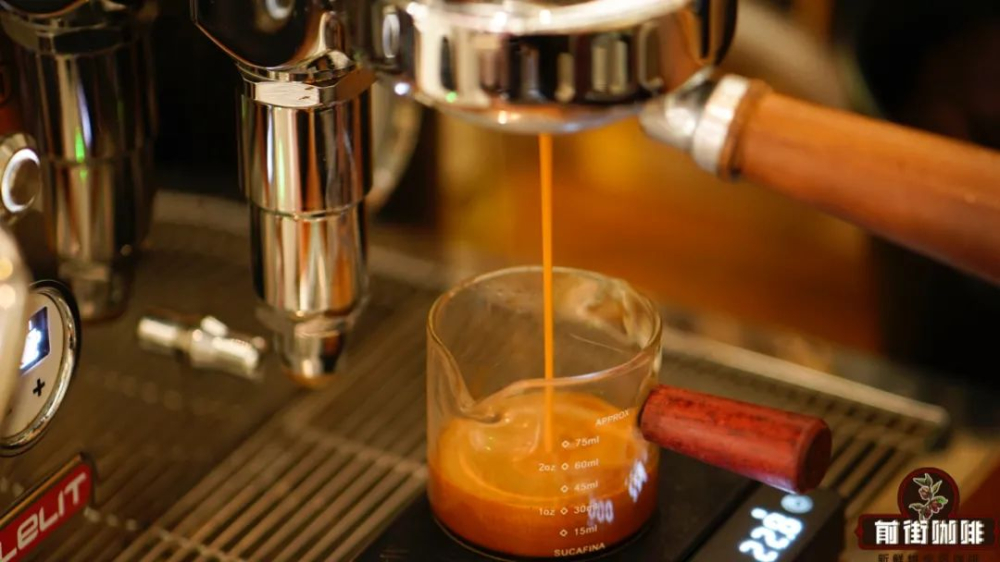
The experimental design was straightforward: three identical portafilters were prepared and placed in three different environments—an indoor room-temperature storage area, a refrigerator’s cooling compartment, and the machine’s cup warming tray—ensuring each portafilter reached a stable temperature before extraction. Then, using the same freshly roasted “Sunflower · Warm Sun Blend” coffee beans, with a uniform dose of 20 grams and a target yield of 40 milliliters, standard espresso extractions were performed. By controlling these variables, the experiment aimed to isolate the true impact of portafilter temperature on coffee performance.
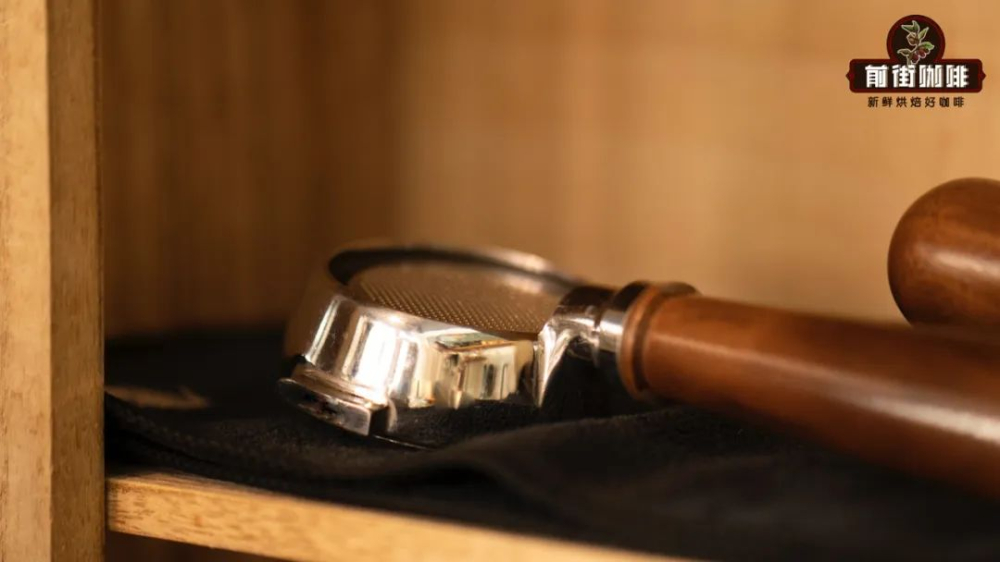
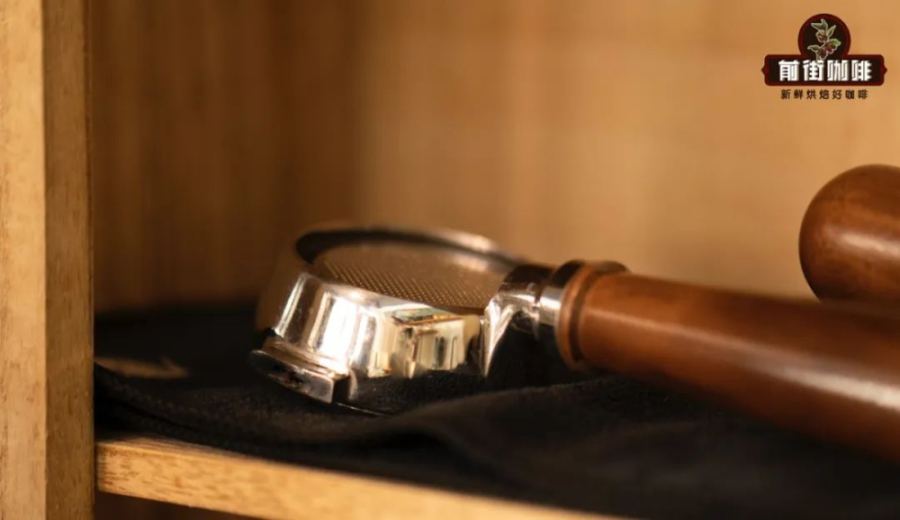
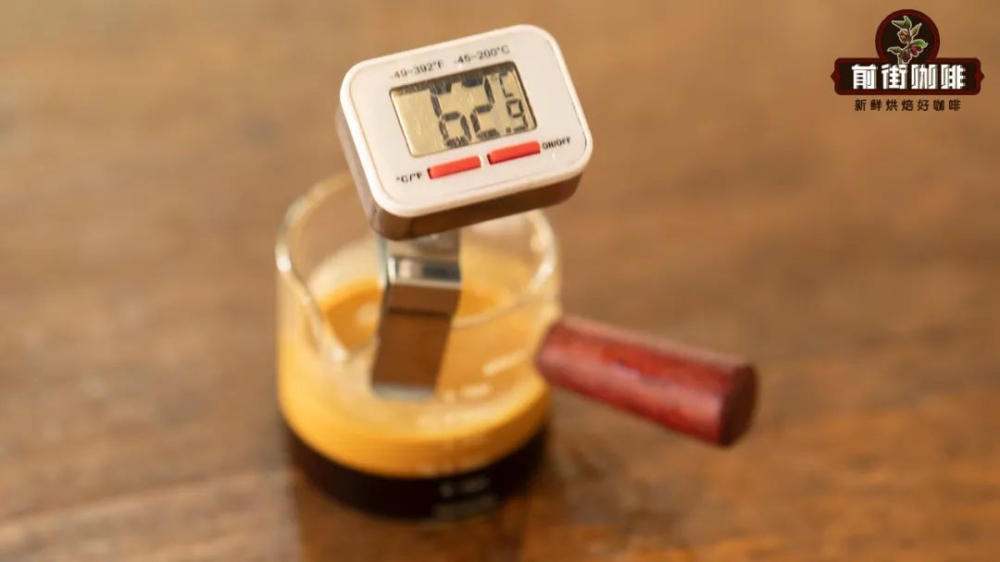
The first group was the “room-temperature portafilter,” which is the typical state most shops keep their portafilters in—either beside the machine or in a dry cabinet. This shot took about 29 seconds to extract, with a final serving temperature of 64°C. In terms of flavor, the cup immediately presented noticeable notes of buttery cookies and vanilla, accompanied by a moderate chocolate character, and a finish that carried a hint of whiskey-like booziness along with subtle berry-like acidity and sweetness. Overall, it was balanced with rich layers.
The second group was the “refrigerated portafilter,” where the portafilter was pre-chilled in the refrigerator before use. This shot extracted slightly faster, at around 28 seconds, but the serving temperature dropped to 61°C. Flavor-wise, this espresso showcased the most prominent berry notes, with relatively bright acidity. The fruitiness came through more vividly at first sip, followed by the familiar chocolate and vanilla cream tones, and the finish still retained that familiar hint of whiskey. Overall, this coffee had a more vibrant flavor profile, with more pronounced acidity, making it suitable for those who prefer a fresher taste.
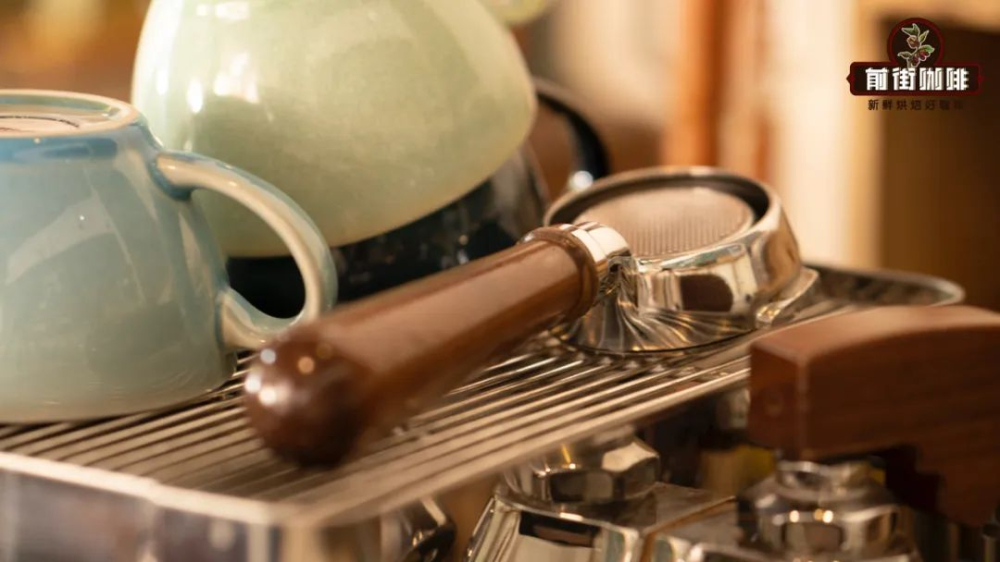
The third group was the “preheated portafilter,” where the portafilter was placed in the machine’s cup warming tray beforehand to bring it close to the machine’s operating high temperature. Although the article did not list detailed independent data for this group, the overall conclusion suggests its extraction temperature was higher, resulting in a richer and fuller-bodied flavor, forming a sharp contrast with the refrigerated portafilter.
Synthesizing the results of all three groups, the most critical finding was that portafilter temperature affects the thermal stability of the coffee puck during extraction through conduction, thereby altering the final espresso temperature and flavor profile. Espressos extracted with a cold portafilter typically exhibited more pronounced acidity and livelier fruitiness, but the overall mouthfeel might feel slightly thinner. In contrast, a hot portafilter helped enhance body and sweetness, leading to a rounder and smoother flavor.
It’s worth noting that although none of the three espressos exhibited extraction flaws such as excessive bitterness, astringency, or burnt flavors, there were indeed distinguishable differences in flavor layers and temperature performance. This means that if you’re aiming for a specific flavor direction, adjusting the portafilter temperature could be a feasible and effective fine-tuning method.
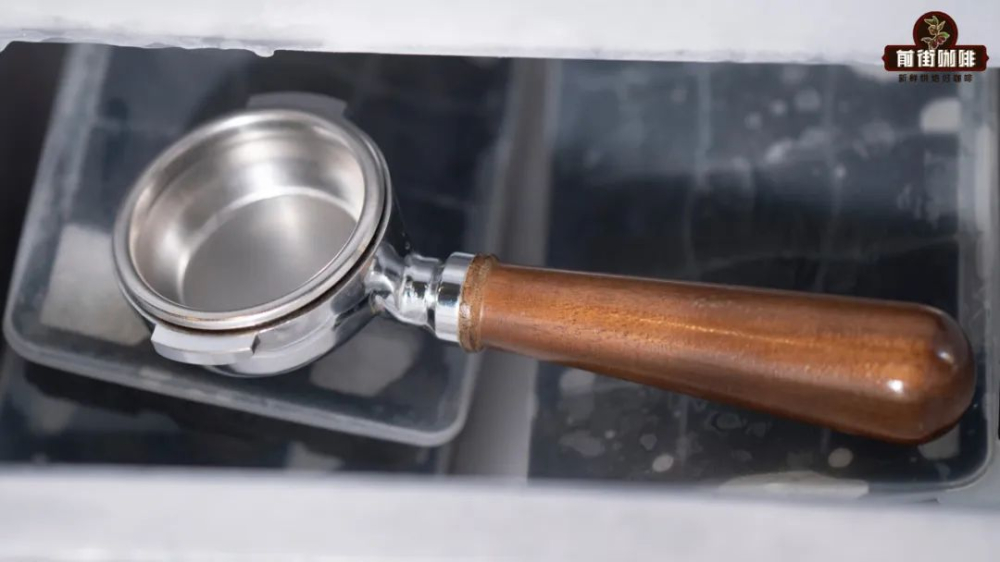
So, what do these findings mean for actual coffee shop operations? The brand pointed out that while the refrigerated portafilter offers unique flavor characteristics, applying it in a high-volume shop environment is not practical. Imagine having to swap out a portafilter freshly taken from the fridge for every single shot of espresso—it would not only drastically increase the number of portafilters needed, but more critically, the metal portafilter taken straight from the fridge could instantly fog up or even drip, affecting operational stability and potentially disrupting the customer experience. Therefore, in a shop setting, if you want to serve espresso at a slightly lower temperature, other alternatives might be considered, such as adding a stainless steel ice ball upon serving to cool it down, or adjusting the brew water temperature, rather than relying on frozen portafilters.
Additionally, while the room-temperature portafilter generally performed well in balance, fluctuations in ambient temperature could still affect extraction consistency. Therefore, it is recommended that shops try to maintain the portafilter at a stable temperature close to the machine’s operating temperature in daily operations, to reduce variables and ensure consistent quality in every shot.
In summary, this experiment clearly demonstrates that portafilter temperature does have a tangible impact on the extraction results and flavor profile of espresso. While other factors such as grind size, distribution evenness, and brew ratio are equally important, the portafilter—as the medium directly holding the coffee puck—has a temperature that influences the stability of the entire extraction environment through heat conduction, and is a detail that should not be overlooked.
Whether you are a professional barista or a home enthusiast experimenting with espresso extraction, understanding the impact of portafilter temperature on flavor will give you an additional powerful tool when adjusting parameters, and help you achieve more precise control over the final outcome of each cup.
The above content is compiled by CoffeeHunters, a coffee news website.


