







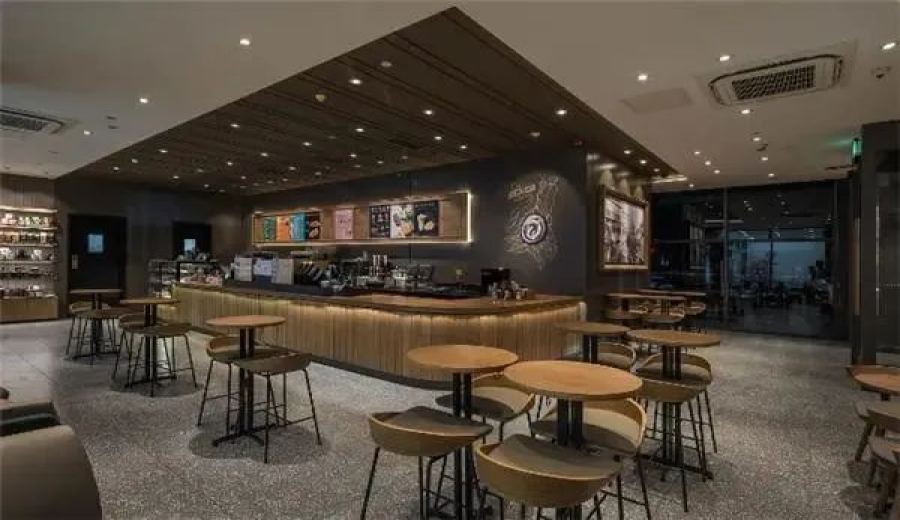
Introduction:The latest research shows that the number of branded coffee shop outlets in China has surpassed that of the United States, making China the global leader. This wave of expansion is not only reshaping the East Asian market landscape but also revealing shifts in consumer preferences. This article will delve into the growth drivers, brand strategies, and the rise of convenience-oriented small stores in China and major East Asian markets, helping readers grasp the latest developments in the coffee industry.
According to the newly released East Asian Coffee Market Research Report, China has officially overtaken the United States with a total of 49,691 branded coffee outlets, compared to the U.S.'s 40,062, making it the country with the most branded coffee shops in the world. This figure represents a significant year-on-year growth of 58%, far outpacing the U.S.'s mere 4% increase, highlighting the strong momentum of expansion in the Chinese market.
Out of approximately 120,000 coffee shops in the East Asian region, the Chinese market accounts for over 40%, not only being the largest in scale but also the fastest-growing area.Notably, 20% of Chinese respondents stated that they visit coffee shops daily.This proportion reflects how coffee has gradually become part of everyday life, with convenience-focused small outlets now dominating the market.
The primary driving force behind this growth comes from domestic chain brands. Luckin Coffee and Cotti Coffee added 5,059 and 6,004 new outlets respectively over the past year, contributing a combined total of over 11,000 new stores. Among them, Luckin Coffee, which was established just six years ago, now operates 13,273 outlets in China, making it the market leader.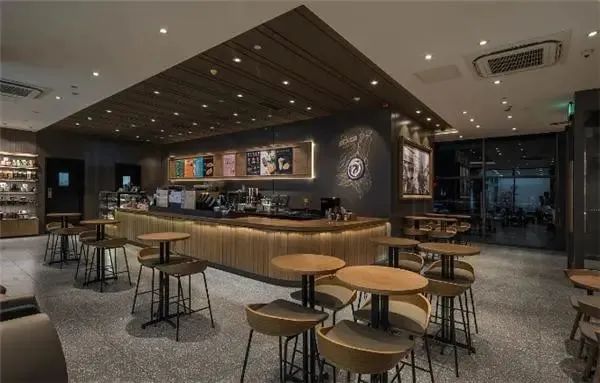
In contrast, Starbucks, which entered the Chinese market as early as 1999, added 785 stores in 2023, bringing its total to 6,806, but its growth rate has clearly slowed. Currently, Starbucks remains the largest multinational chain brand in East Asia, with more than 13,500 outlets across 15 countries.
The report covers 18 East Asian countries. Through over 300 industry surveys, more than 4,000 consumer questionnaires, as well as field and desk research, the study found that six out of the top ten coffee markets in East Asia achieved double-digit growth. In addition to China, Malaysia (with 28% growth) and the Philippines (with 15.3% growth) also performed exceptionally well.
As the market matures, Asian local brands are actively expanding their international presence. Brands such as Korea’s Mega Coffee, Indonesia’s Tomoro Coffee, and Malaysia’s Zus Coffee have seen their market shares continue to rise. Cotti Coffee has entered South Korea and Indonesia, while Luckin, Kopi Kenangan, and Compose Coffee have also opened overseas stores one after another. These moves are challenging Starbucks’ long-standing dominance.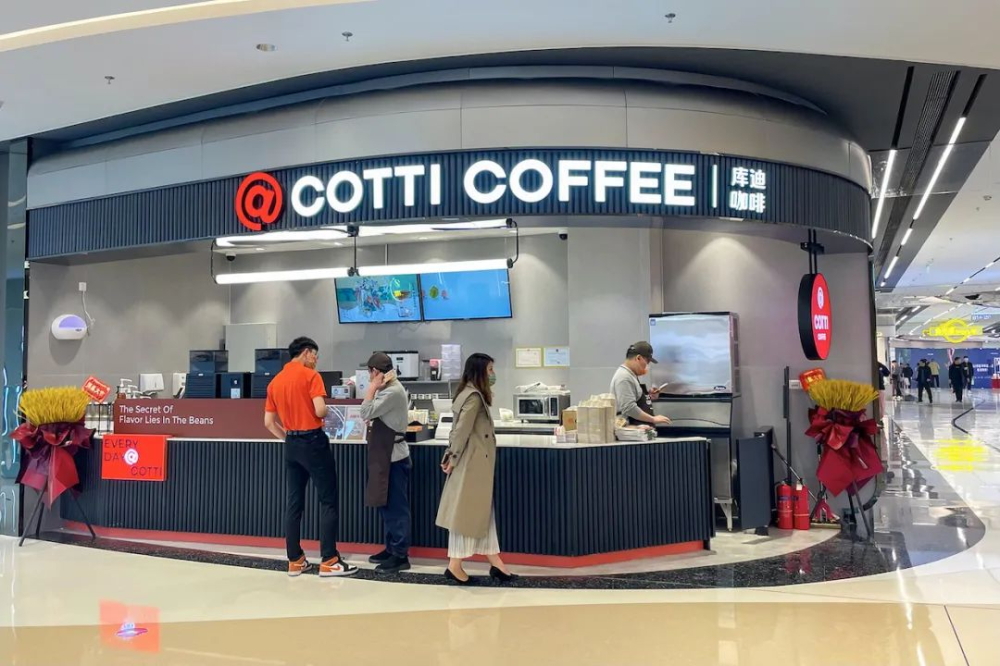
Experts point out that this wave of growth reflects not only an expansion in the number of outlets, but also a fundamental shift in consumer habits. Convenience-oriented small stores, with their affordable prices and easy access, have become the first choice for many consumers. For brands looking to enter or expand in the East Asian market, understanding these details will be a key competitive advantage.
The above content is compiled by CoffeeHunters, a coffee news website.


