







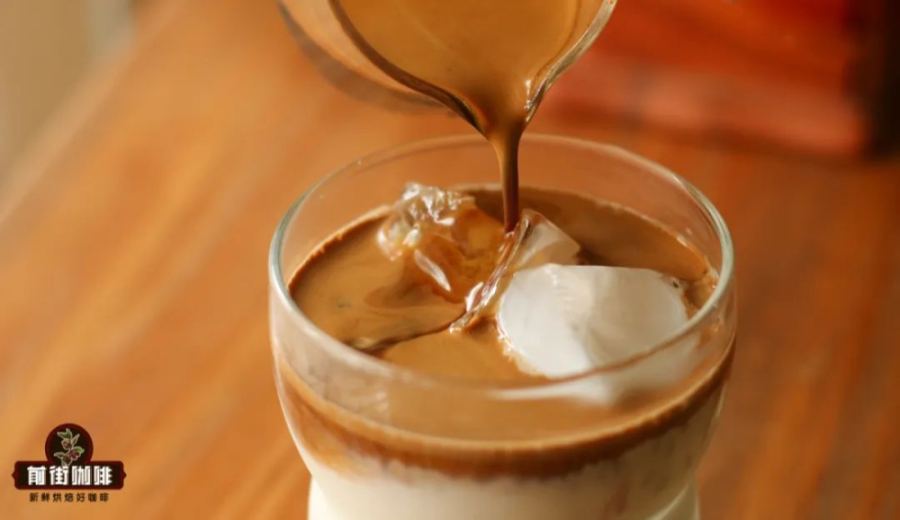
Introduction:Although both Dirty and iced latte appear to be espresso with milk and both showcase beautiful layering, they are actually quite different in terms of design philosophy, preparation methods, and drinking experience. This article delves into the core differences between these two classic coffee beverages—from their origins, preparation details, visual characteristics, to the tasting experience—helping you distinguish and appreciate their unique charms from a professional perspective.
Many people, upon first seeing Dirty and iced latte, often intuitively assume that the two coffees are almost identical—both are espresso with milk and both display attractive layers. But with just a little deeper understanding, it becomes clear that they follow entirely different paths in terms of creative intent, preparation techniques, and final drinking experience. Dirty emphasizes the raw personality of the espresso, creating a strong contrast with the milk; whereas iced latte uses milk to soften the intense flavor of the espresso, making it more accessible to a wider audience. Below, we’ll thoroughly dissect their essential differences from four perspectives.
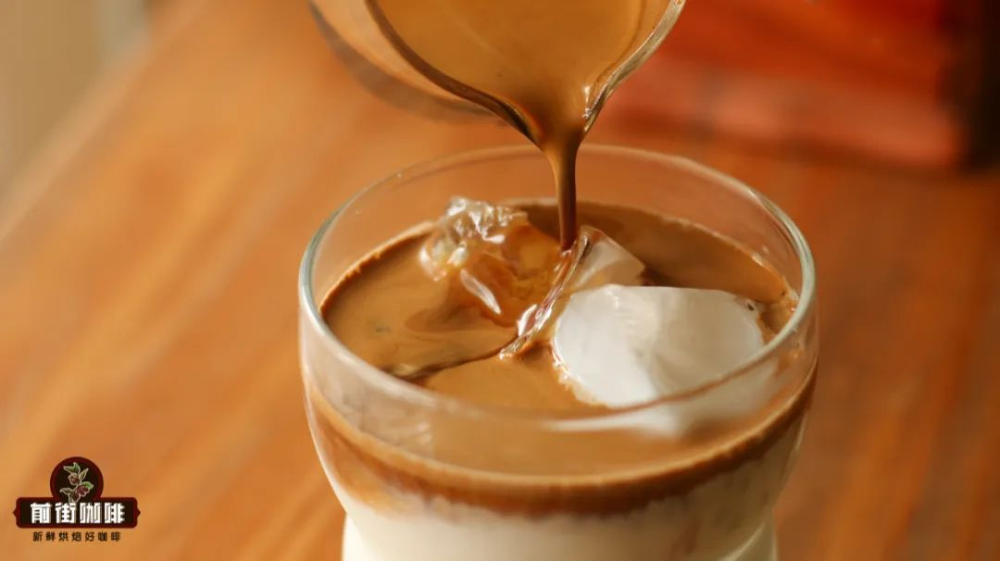 At first glance, Dirty and iced latte do indeed share many similarities, whether in appearance or basic composition, which can easily lead to confusion. However, the drinking concepts these two beverages aim to convey, as well as the sensations they deliver to the taste buds, are completely different.
Let’s start with iced latte. The word "Latte" originates from Italian, meaning "milk." When Italian coffee culture was introduced to the United States, local consumers generally preferred milder flavors and found it hard to accept the intense and rich taste of espresso. As a result, Italian baristas began adding a large amount of hot milk to the espresso to mellow it out, creating what is known as "Coffee Latte," or the familiar milk coffee. Over time, this name was simplified to Latte, becoming synonymous with milk coffee. With the rise of the cold beverage market, businesses also introduced chilled versions, allowing customers to enjoy the harmonious pairing of espresso and milk even on hot days.
 The origin story of Dirty, on the other hand, is completely different. It originated from a small coffee shop in Tokyo, Japan, called "Bear Pond Espresso," created by its owner, Mr. Katsuyuki Tanaka. This shop focused on espresso, and Mr. Tanaka wanted customers to directly experience the most authentic flavor of espresso. Therefore, he designed a brewing method that utilized density differences to naturally layer hot espresso and ice milk—thus giving birth to Dirty. From the very beginning, Dirty was not meant to make the coffee smoother, but rather to highlight the uniqueness of the espresso and create a striking contrast with the milk.
From the original concepts of these two beverages, it’s clear that their goals are diametrically opposed: iced latte uses milk to soften the espresso, making it more palatable to the public; whereas Dirty takes the opposite approach, preserving the intense character of the espresso and creating a strong contrast with the milk, delivering a completely different sensory experience.
In terms of preparation methods, iced latte is relatively simple and straightforward. Taking a common approach as an example, about 100 grams of ice and 170 milliliters of cold milk are first placed in the cup, followed by extracting about 20 grams of coffee beans to produce 40 milliliters of espresso within 30 seconds. Finally, the espresso is poured directly over the milk, forming a natural layer. This method is not only easy to execute but also ensures a smooth texture and balanced flavor in the drink.
 In comparison, the preparation process for Dirty is much more particular. Many coffee shops (including ours) will pre-chill the cup beforehand to enhance the hot-and-cold contrast experience. During preparation, 150 milliliters of ice milk is poured directly into the pre-chilled cup, without adding ice cubes. Then, espresso is extracted using the same parameters, with the key being to position the cup close to the brew head spout during extraction and to minimize the impact force when the espresso falls, allowing the hot espresso to slowly land on the ice milk and form a clear layer. Only in this way can Dirty showcase its unique visual and textural contrast.
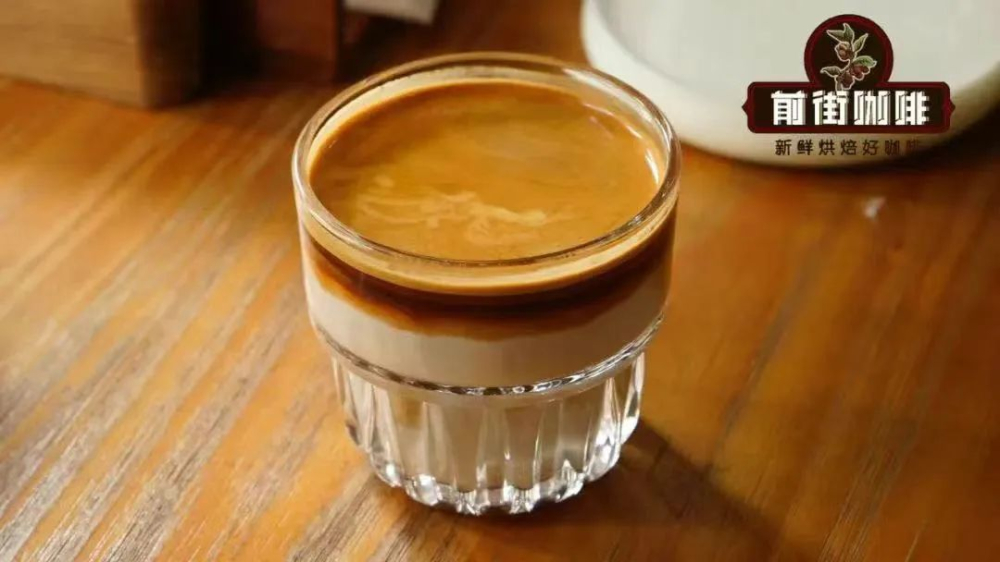 If judged solely by ingredients and appearance, Dirty is often mistaken for a special version of iced latte. Especially in some cases, when iced latte contains more ice, the espresso may also float on top of the milk, creating a similar layered effect, making the two almost indistinguishable at first glance. But in reality, Dirty and iced latte differ vastly in flavor and temperature experience and should never be confused.
The biggest characteristic of Dirty lies in its starkly contrasting layers of temperature and texture. Since it is not stirred, the first sip often delivers a strong hit of concentrated, hot, and bold espresso mixed with a small amount of milk—the intense warmth of the espresso immediately dominates the taste buds, followed by the cool sweetness of the milk. These two extreme sensations intertwine in the mouth, creating a powerful contrast. By the second sip, as the espresso diminishes and the contact area increases, the flavor of the milk gradually emerges, and the overall taste begins to balance out. By the third sip, most of the espresso is gone, leaving what is essentially a milk drink with a hint of coffee aroma.
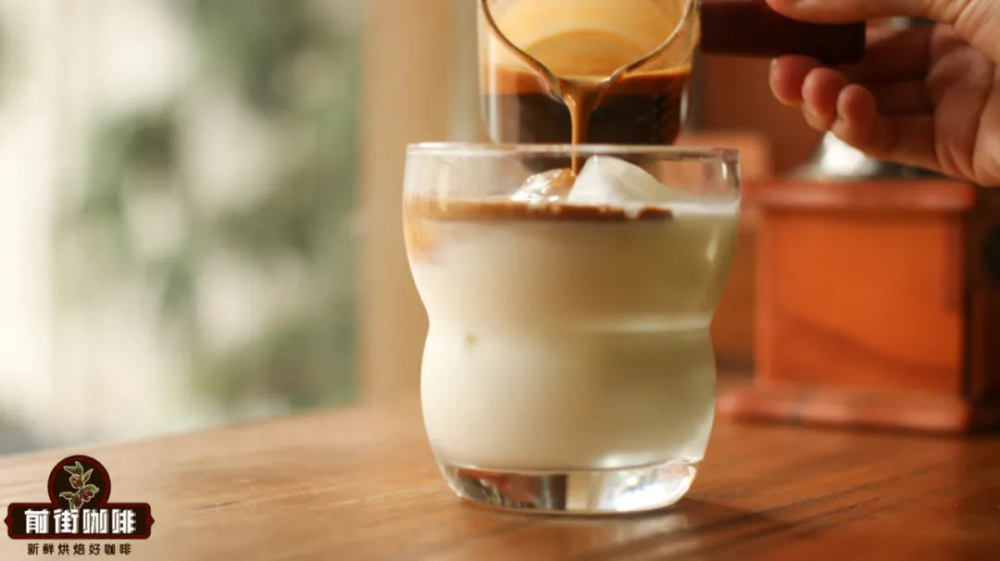 In contrast, iced latte—even if it shows layering during preparation—usually has the espresso poured into the milk after extraction. The high temperature of the espresso is quickly absorbed by the cold milk, causing the hot-and-cold contrast to disappear and the layering effect to blur. Therefore, iced latte typically needs to be stirred to ensure the coffee and milk are fully mixed, resulting in a balanced flavor and smooth drinking experience.

The above content is compiled by CoffeeHunters, a coffee news website.


