







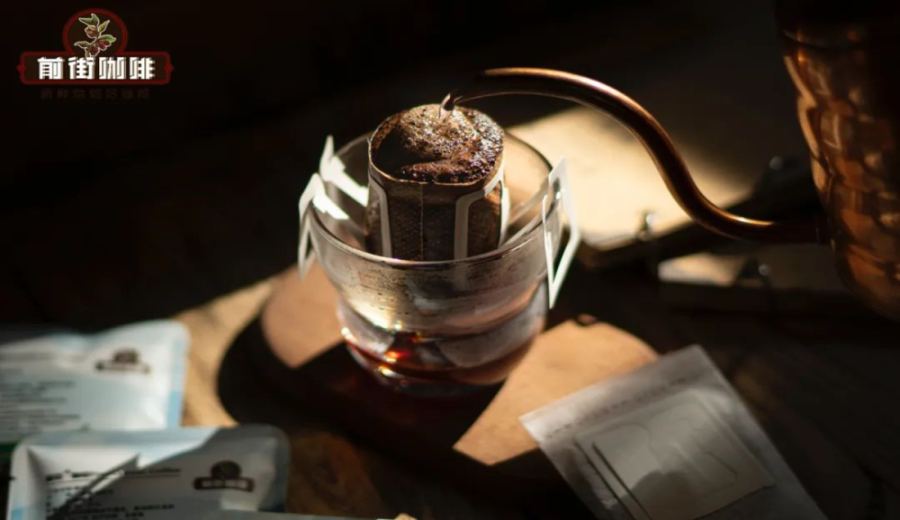
Introduction:Drip bags combine convenience with the flavor of pour over coffee, making them a top choice for many busy coffee lovers. However, to brew a great cup that is neither bitter nor unbalanced in flavor, it’s essential to master key elements such as water temperature, coffee-to-water ratio, and pouring technique. This article delves into the brewing principles behind drip bags, from selecting beans with the appropriate roast level and adjusting water temperature to using a multi-pour technique—helping you easily extract nutty and caramel notes. Even beginners can quickly get the hang of it.
Thanks to their ease of use, drip bags have become a daily beverage for many coffee enthusiasts—just add hot water and enjoy a rich cup. However, if you want to extract a more complex and balanced flavor, mastering the correct brewing details remains crucial. This article will detail how to control water temperature, adjust the coffee-to-water ratio, choose the right equipment, and employ multi-pour techniques, allowing you to brew drip coffee with distinct flavor layers at home.
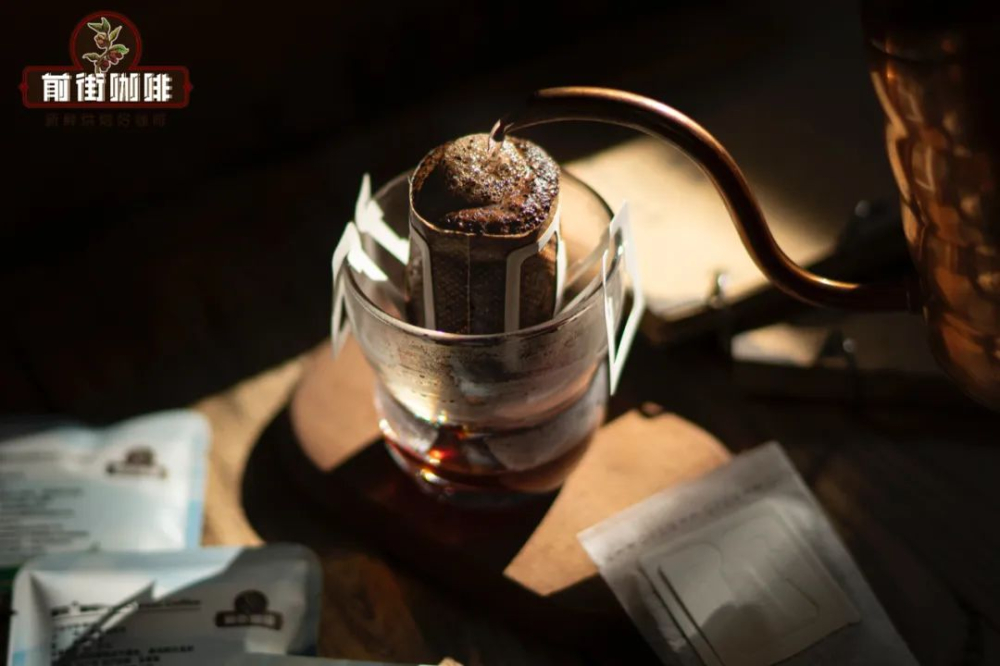
Although drip bags cannot fully replicate the nuanced taste of freshly ground pour over coffee, their greatest advantage lies in convenience—eliminating the need for grinding, weighing, and complicated techniques. Simply tear open the packet and pour in hot water to enjoy a fully extracted cup. However, many overlook the fact that brewing with drip bags still involves some key considerations. For instance, too high a water temperature can lead to over-extraction, resulting in noticeable bitterness, while water volume and pouring method directly affect clarity and balance of flavor.
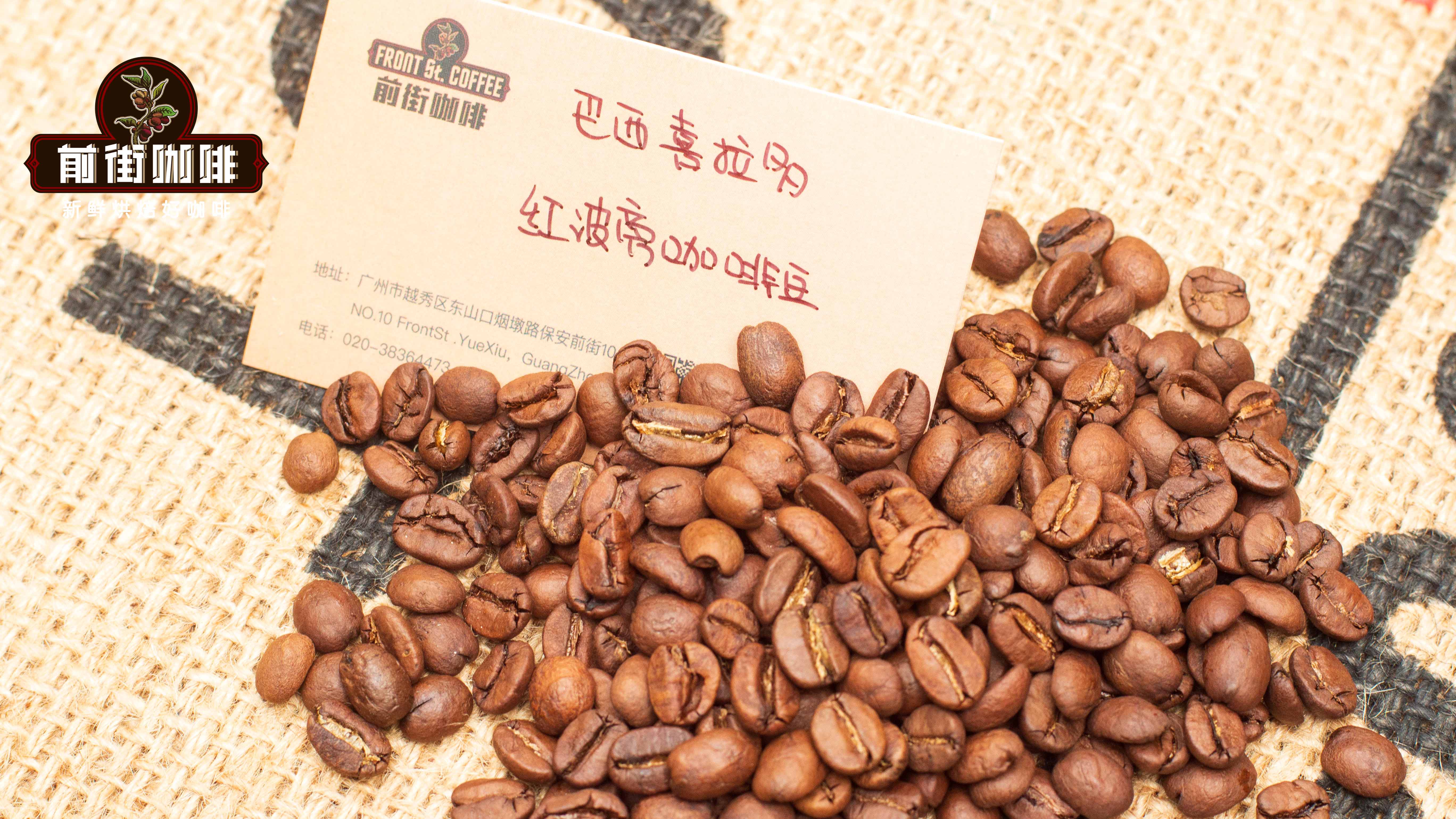
If you want to brew a satisfying cup of drip coffee in the easiest way possible, first understand the brewing strategies suited to different roast levels. For those who prefer a refreshing taste with floral and fruity notes, it’s recommended to choose medium-light roast drip bags. These coffees typically feature bright acidity and rich fruit aromas. If you lean toward a warmer, fuller-bodied taste, medium-dark roast is a better choice, showcasing the captivating flavors of caramel, chocolate, and nuts.
In practical operation, the brewing logic of drip bags is largely similar to that of pour over, with the difference being that the drip bag has already pre-ground and pre-packed the coffee for you, saving much of the preparatory work. Therefore, you only need to apply a few core parameters emphasized in pour over brewing—such as water temperature, coffee-to-water ratio, and pouring technique—to drip bag brewing to steadily extract a balanced and layered cup of coffee.
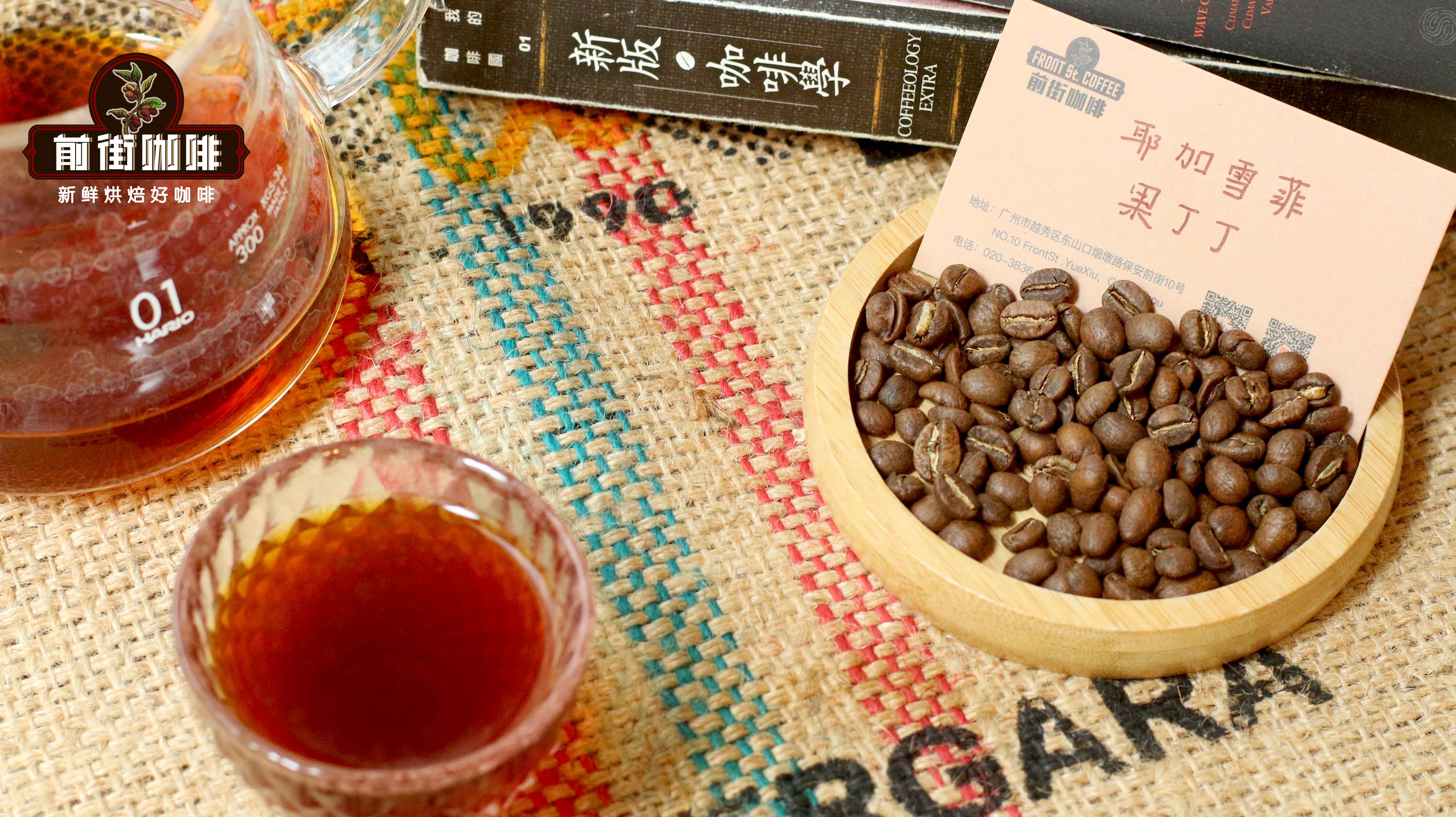
First, let’s talk about water temperature, one of the key variables affecting coffee extraction efficiency and flavor expression. Generally speaking, for medium-light roast drip bags, it is recommended to use hot water at 90–93°C, which helps fully bring out floral and fruity notes as well as a balanced acidity and sweetness. For medium-dark roast drip bags, a water temperature of 85–90°C is more suitable. This helps avoid over-extracting bitter substances while highlighting the aromas of caramel and nuts. If you don’t have a thermometer, you can also observe the cooling rate of boiling tap water, which typically drops by about 2–3°C per minute. Wait until it reaches your target temperature range before brewing.
In addition to water temperature, choosing the right cup is equally important. It’s recommended to use a tall cup with a capacity of 280ml or more, which can prevent the drip bag from soaking in water for too long, reducing the risk of over-extraction. If the cup is too short, pouring hot water may cause the lower half of the drip bag to be submerged, leading to excessive soaking of the coffee grounds at the bottom and thus affecting the overall purity of the flavor.
Regarding the coffee-to-water ratio, although most drip bags contain about 10 grams of coffee powder, considering practical ease of use, there’s no need to strictly use an electronic scale. As long as the ratio is controlled within the range of 1:14 to 1:17—approximately 140ml to 170ml of total water volume—it’s considered reasonable. This ratio can extract coffee with moderate concentration and balanced flavor, suitable for most people’s taste preferences. If using a tall cup, this amount of water usually only fills the cup halfway and won’t over-soak the drip bag either.
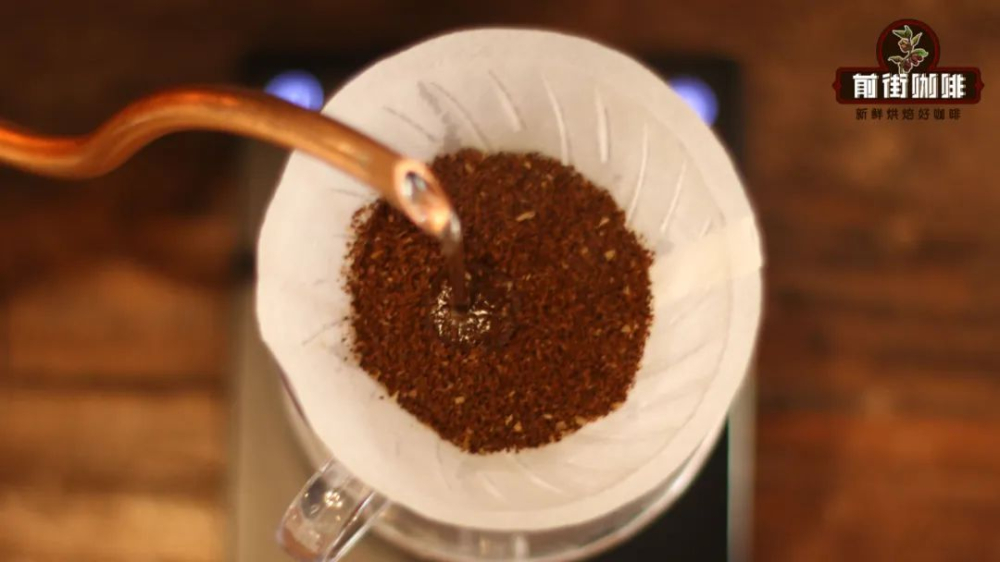
In actual practice, it’s recommended to use a multi-pour technique, which helps extract various flavor compounds from the coffee more evenly. First, hang the drip bag over the rim of the cup and pour a small amount of hot water up to about half the height of the drip bag. Let it steep and bloom for 10–15 seconds. This step helps release gases and aromatic compounds from the coffee grounds. Then, pour water in three or four increments, each time bringing the water level up to about nine-tenths full of the drip bag, and wait for the dripping to finish before each subsequent pour. Finally, adjust the concentration to your taste by adding a small amount of hot water at the end.
By mastering the above techniques, even beginners can easily brew a cup of drip coffee with distinct flavor layers and balanced taste. The key lies in controlling water temperature to avoid over-extraction, choosing a cup of appropriate size, and using a multi-pour technique for even extraction. With just a bit of practice, you can also enjoy professional-level pour over flavor at home. Whether it’s a morning pick-me-up or an afternoon leisure moment, you can always have a deeply satisfying cup of coffee.
The above content is compiled by CoffeeHunters, a coffee news website.


