







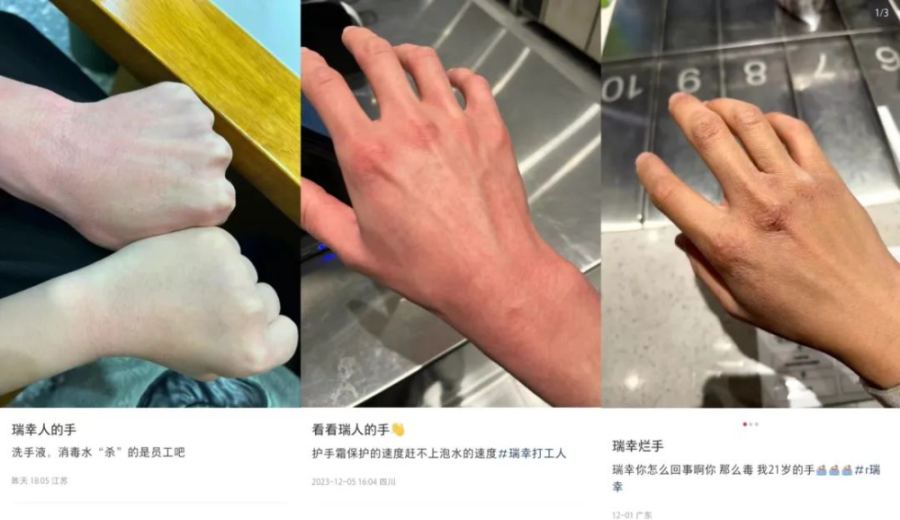
Introduction:As winter arrives, the hand health of baristas has once again become a hot topic. Especially in Luckin Coffee stores, where hygiene standards are strictly enforced, employees frequently wash and disinfect their hands, leading to common issues such as chapped and dry skin. This article delves into the underlying causes, shares common hand care methods and protective strategies used in the industry, helps professionals and enthusiasts understand this occupational challenge, and provides practical advice.
As temperatures drop, many baristas working on the front lines of coffee shops—especially those at Luckin Coffee—face an annual winter challenge: severe damage to their hands due to frequent contact with cleaning agents and cold water. On social media platforms, it’s not hard to find baristas sharing photos of their hands covered in cracks, redness, or even covered with band-aids. This has become an openly acknowledged yet difficult-to-resolve issue within the industry.
The main reason behind this phenomenon is Luckin’s strict requirements for hygiene procedures. It is understood that each employee is required to wash their hands correctly for at least 20 seconds every hour, change disinfectant solutions and cleaning cloths every half hour, and repeat the handwashing process after touching any different equipment or items. Additionally, for specific tasks such as scooping ice or installing cream guns, although disposable gloves are allowed, they must only be worn after proper handwashing. Moreover, at the end of shifts, staff must still clean the equipment and soak it in disinfectant. One internal employee described it as: “By the end of the day, your hands are either soaking in water or in disinfectant.”
Surprisingly, Luckin does not explicitly prohibit employees from wearing gloves while working. However, in practice, many choose not to wear them in order to maintain serving efficiency. Gloves can easily get wet, not only affecting tactile sensitivity but also slowing down operations, which in turn impacts overall order fulfillment speed. Between efficiency and protection, most opt for the former.
The extent of skin damage caused by frequent handwashing varies from person to person. Some may experience mild dryness and peeling, while others may develop severe cracking, redness, or even bleeding.Especially during the cold and dry winter months, when the skin barrier is already fragile, frequent contact with cleaning agents and icy water makes it even easier for the skin’s protective layer to be compromised.Some employees have chosen to resign due to concerns about worsening hand conditions, and others have posted online stating that hand chapping was one of the key reasons for leaving Luckin.
This issue is not unique to Luckin, but it is particularly pronounced within the brand, mainly due to its high hygiene standards. In fact, the handwashing procedure is also a critical part of the Luckin barista certification process. Failure to strictly adhere to it may affect an employee’s evaluation results. One netizen joked: “Luckin employees might be the most frequent and standardized hand-washers in the country—they could even star in a ‘Hand Washing Tutorial’ for kindergarten kids.” Though said in jest, it reflects the reality.
To address this issue, many experienced baristas have shared their coping methods on social media platforms—for example, applying thick layers of hand cream after washing hands, or even mixing hand cream, body lotion, and olive oil and then wearing disposable gloves for a “hand mask treatment” to help lock in moisture and reduce chapping and pain. While these methods can’t completely prevent skin damage, they can alleviate symptoms to some extent, especially providing extra protection during high-intensity work periods.
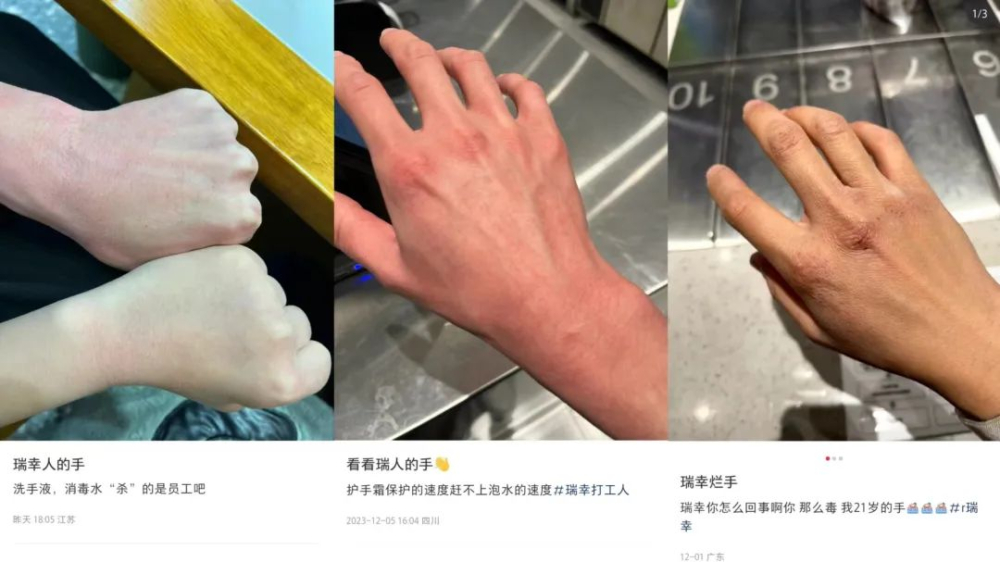
For consumers, Luckin’s strict hygiene standards undoubtedly enhance the safety and cleanliness of beverages, which is one of the reasons many customers choose the brand. One netizen frankly stated: “Although I feel sorry for the baristas’ hands, I also drink with more peace of mind because of their dedication.” However, this also sparks a deeper discussion: how can we better protect the occupational health of frontline employees while pursuing efficiency and hygiene?
For newcomers to the coffee industry or baristas already in the field, understanding and proactively taking hand protection measures is crucial. During winter operations, it is recommended to use highly moisturizing hand care products promptly after washing hands and to keep hands warm and dry as much as possible during work breaks. Additionally, communicating with store managers or team members about reasonable protective measures—such as wearing gloves when appropriate—is also a worthwhile approach to try.
In summary, the issue of Luckin baristas’ hand problems in winter reflects the challenges the service industry faces in balancing hygiene, efficiency, and employee health. Through greater awareness of protective measures, appropriate use of skincare products, and more caring initiatives within the industry, it is believed that this issue can be effectively alleviated—allowing every barista to not only provide customers with high-quality beverages but also maintain healthy and comfortable hands.
The above content is compiled by CoffeeHunters, a coffee news website.


