







Introduction:Honduras is currently grappling with a severe socio-economic crisis, leading to massive outmigration and an unprecedented labor shortage during the coffee harvest season. At the same time, the country’s organic coffee has successfully entered the Chinese market, opening up new export opportunities. This article delves into the underlying reasons, industry impacts, and future prospects, helping readers understand the new dynamics in the global coffee supply chain.
Honduras is now facing a dire socio-economic crisis driven by a confluence of negative factors: rampant corruption, institutional dysfunction, the economic devastation wrought by the COVID-19 pandemic, and the relentless impact of successive hurricanes. These have driven poverty rates to extreme levels. Against this backdrop, the export processing industry has been severely affected, with numerous businesses closing down and more than 100,000 jobs vanishing overnight, forcing many unemployed individuals to leave their homeland in search of better livelihoods.
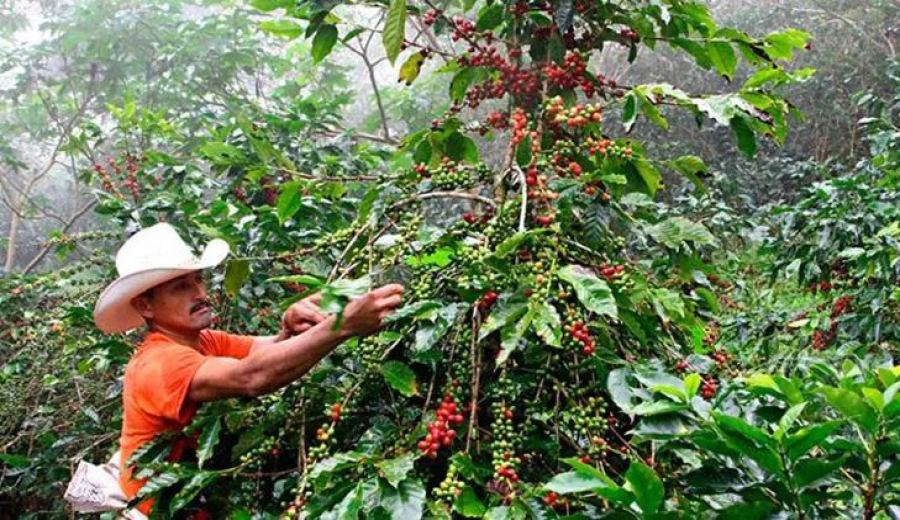
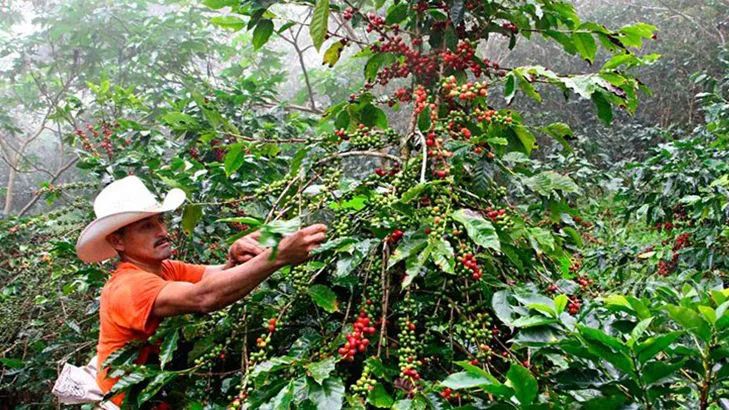
This unprecedented wave of migration has had a direct and profound impact on Honduras’ agriculture, particularly its coffee cultivation. The main coffee harvesting period in the country runs from November to April each year, and now, many coffee-growing regions are already feeling the strain of severe labor shortages. Many growers admit that skilled pickers they once relied on have emigrated, leading to a lack of manpower that could directly affect both harvesting efficiency and the final quality of the coffee.
Taking several major northern cities as examples — including Choloma, Villanueva, El Progreso, and San Manuel — according to statistics from the Honduran Social Security Institute (IHSS), multiple export processing plants in these areas have closed over the past year, resulting in the loss of over 20,000 jobs. A large number of workers have opted to head to the United States, but most can only find informal employment, which lacks stability and basic social protections.
Worker representative José Luis Baquedano pointed out that if the government does not introduce effective policies soon to encourage investment from both domestic and foreign enterprises and create job opportunities, this trend of labor outflow will continue to worsen. Beyond economic factors, weaknesses in the judicial system, deteriorating public safety, and widening wealth gaps are also driving more people to leave their homes. According to estimates by the Migration Observatory of the Honduras Foundation, at least 200,000 Hondurans may emigrate overseas by the end of this year, primarily due to violence and employment difficulties.
For the coffee industry, such changes in the labor structure present immediate challenges. Coffee harvesting is a highly labor-intensive task, especially relying on skilled workers who can accurately judge fruit ripeness and pick with the right amount of force to ensure the beans are not damaged. Insufficient labor during the harvest season can not only delay the harvest timeline but also impact the quality and market value of the coffee.
Despite the many difficulties, there is positive news from Honduras’ coffee industry. Recently, the first containers of organic coffee beans from the country have successfully arrived in Shanghai, China, marking the official entry of Honduran organic coffee into the Chinese market. To date, 12 Honduran coffee companies have been authorized to export to China, representing the first direct shipment of Honduran coffee to the Chinese market and a milestone achievement.
The industry widely believes that China, as one of the fastest-growing coffee consumption markets globally, has a continuously rising demand for high-quality, uniquely flavored coffee. Honduras boasts an ideal growing environment, and the coffee beans produced in its high-altitude regions often exhibit distinct fruity notes and rich body. Organic certification further enhances its market appeal. The opening of this trade channel not only brings new sources of income for local coffee farmers and exporters but also injects a strong boost into the overall economy.
In summary, Honduras’ coffee industry is facing both internal and external challenges but is also presented with opportunities for transformation and expansion. Finding the right balance amid labor shortages and market shifts will be key to determining the future competitiveness of the country’s coffee sector.
The above content is compiled by CoffeeHunters, a coffee news website.


