







Introduction:When tasting coffee, "aftertaste sweetness" is often used to describe a memorable cup, but it is actually quite different from "sweetness." This article delves into the mechanisms behind aftertaste sweetness, how it differs from sweetness, and explores how dark and light roasted coffees vary in their aftertaste profiles. Additionally, we recommend several outstanding coffee beans for enthusiasts who prefer high sweetness, low acidity, and low bitterness, helping you find the perfect match for your taste.
In the world of coffee tasting, "aftertaste sweetness" is a frequently mentioned term used to describe an unforgettable cup of good coffee. However, many people tend to confuse "aftertaste sweetness" with "sweetness." In reality, while both are related to "sweet," their essence and formation mechanisms are fundamentally different. This article will start with the basic concept of aftertaste to help readers distinguish between aftertaste sweetness and sweetness, further understand how different roast levels affect a coffee's aftertaste, and finally recommend several coffee beans suited for those who enjoy high sweetness, low acidity, and low bitterness.
When we talk about the "aftertaste" of coffee, we refer to the aroma, taste, and mouthfeel that linger in the mouth after swallowing. In contrast, "flavor" and "mouthfeel" refer to the overall experience before swallowing the coffee. Simply put, aftertaste is the continuation of flavor after the coffee leaves the mouth. This time difference is very important as it helps us more accurately distinguish which sensations belong to immediate flavors and which are part of the aftertaste.
Aftertaste can be either positive or negative. High-quality coffee usually has a pleasant, positive aftertaste, such as floral notes, fruity sweetness, honey-like sensations, or even "aftertaste sweetness"—a natural emergence of sweet aftertaste once bitterness or astringency fades. On the other hand, negative aftertastes may include earthy, woody, or rubbery notes, or uncomfortable sensations such as dryness, roughness, or throat irritation. When evaluating aftertaste, in addition to texture, its duration should also be noted. The longer the aftertaste, the higher the coffee quality tends to be. For example, a premium espresso might retain its chocolate and cocoa aromas for around ten minutes after drinking, whereas a coffee with a short aftertaste may lose its aroma within seconds, even if there are no obvious off-flavors.
So, what is "aftertaste sweetness"? Simply put, it’s a taste experience of “bitterness followed by sweetness.” When coffee is first sipped, it may carry slight bitterness or astringency, but as time passes, the bitterness gradually fades and sweetness takes over, extending into the post-drinking phase, forming a sweet feedback in the aftertaste. This experience is similar to the Chinese fruit yugan from Chaoshan—initially sour and astringent, but later stimulating saliva production and transforming into a refreshing sweetness. Therefore, aftertaste sweetness is not simply sweetness, but rather a pleasurable sensation resulting from the contrast with bitterness or astringency.
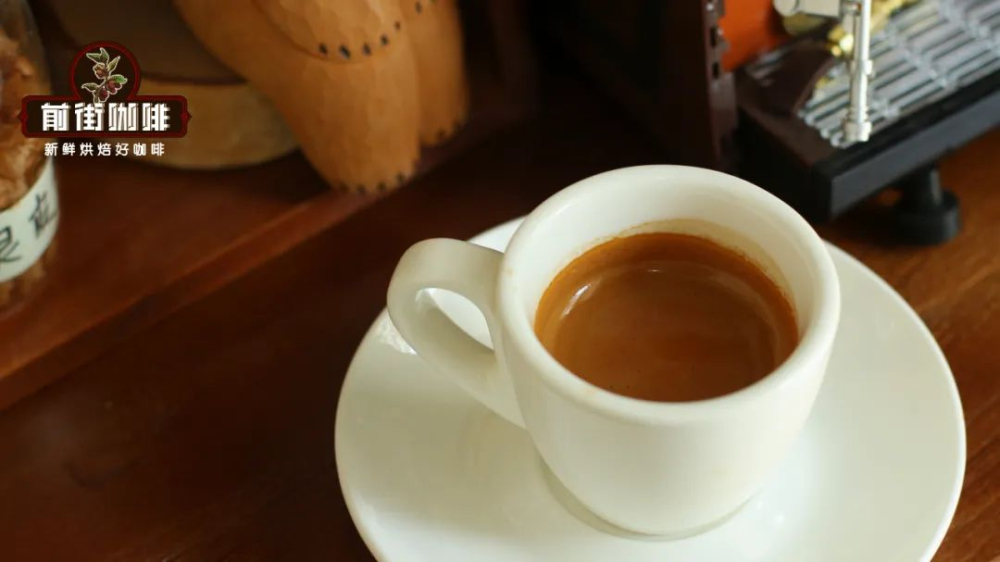
It’s worth noting that the intensity of aftertaste sweetness is not absolutely correlated with the concentration of bitterness. An over-extracted coffee may be extremely bitter, but without proper flavor layers, it may not produce good aftertaste sweetness. As such, aftertaste sweetness is often considered one of the key indicators of a good dark roast coffee. For example, a medium-dark roasted Brazilian Queen Estate coffee from a certain brand offers aromas of roasted peanuts and dark chocolate upon entry, with a hint of bitterness, but as the bitterness fades, natural sweetness emerges and lingers on the palate, demonstrating a clear aftertaste sweetness effect.
Another noteworthy option is a medium-dark roasted PWN Golden Mandheling from a certain brand, which boasts rich caramel aromas. Upon tasting, it presents complex notes of herbs, spices, and sandalwood, leaving behind a smooth and enduring sweet aftertaste—making it a deep roast bean with exceptional aftertaste sweetness performance.
In contrast, light roast coffee emphasizes floral and fruity acidity. Due to its shorter roasting time, the bitterness is less pronounced, so its aftertaste sweetness is generally not as strong as that of dark roasts. Moreover, light-roasted coffee contains more small-molecule compounds, which are highly hydrophilic, prone to evaporation, and coupled with high acidity, this accelerates the dissipation of flavors, resulting in a relatively shorter aftertaste. Therefore, for these vibrant yet short-lived light roast coffees, baristas often use terms like “lingering aroma” or “acidic-sweet finish” to describe the post-drinking experience, rather than directly using the term “aftertaste sweetness.”
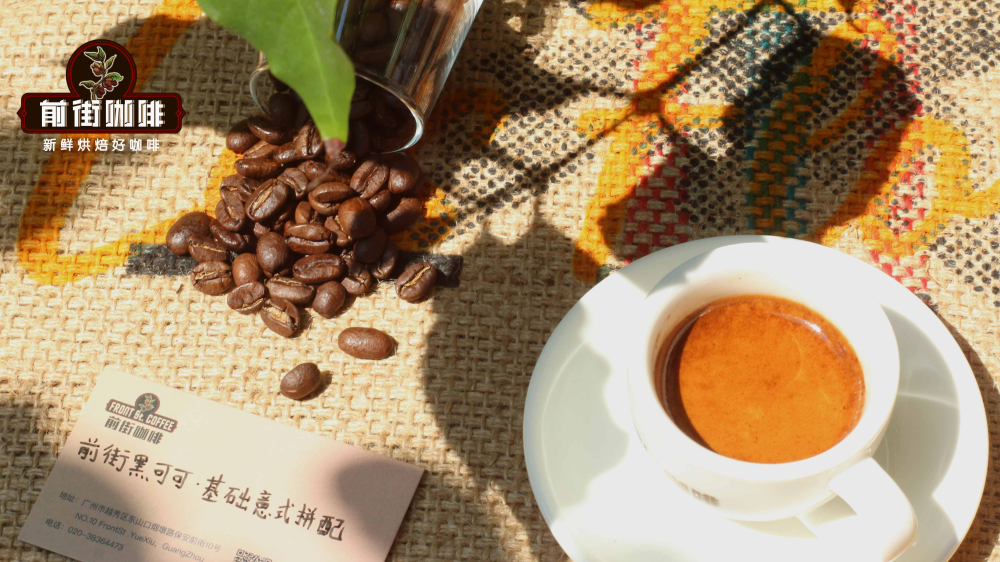
If you prefer prominent sweetness and aftertaste sweetness, consider choosing coffee beans with high sweetness, low acidity, and low bitterness. For example, a certain brand’s Boquete Geisha is often described as having an aftertaste reminiscent of Tieguanyin tea, the fresh acidity of sugar oranges, and the soft sweetness of honey—offering a well-balanced and impressive overall profile. These types of beans are typically suitable for drinkers who enjoy a balance of fruitiness and sweetness, and they can also showcase multi-layered flavor changes during brewing.
Finally, there’s a common misconception to clarify: some people think the sweetness they perceive when drinking water after coffee is aftertaste sweetness. In reality, this is an illusion caused by taste contrast. After the mouth experiences bitter stimulation, contact with plain water may cause the neutral taste of water to be perceived as sweet. This phenomenon also applies to other taste contrasts—for instance, after eating something sweet, water might temporarily taste slightly bitter. Therefore, aftertaste sweetness is not only a taste feedback, but also closely related to our sensory contrast effects.
The above content is compiled by CoffeeHunters, a coffee news website.


