








Introduction:In the three-stage pour-over method, when should the third pour be executed? A brand conducted comparative tests using both light and medium-dark roasted beans to uncover the subtle flavor impacts of pausing versus continuous pouring. The experiment revealed that even small differences in timing can alter extraction duration and final taste—especially with medium-dark roasts, where tolerance for error is lower. This article explores key parameter adjustments and practical tips.
When using a three-stage pour-over method for coffee, the timing of the third pour has long been debated: should you continue pouring while water flow hasn’t fully ceased, or wait until the water level nears the bottom? To answer this, we conducted a series of comparative experiments using both light and medium-dark roasted beans, observing how different pouring strategies affect overall flavor profiles.
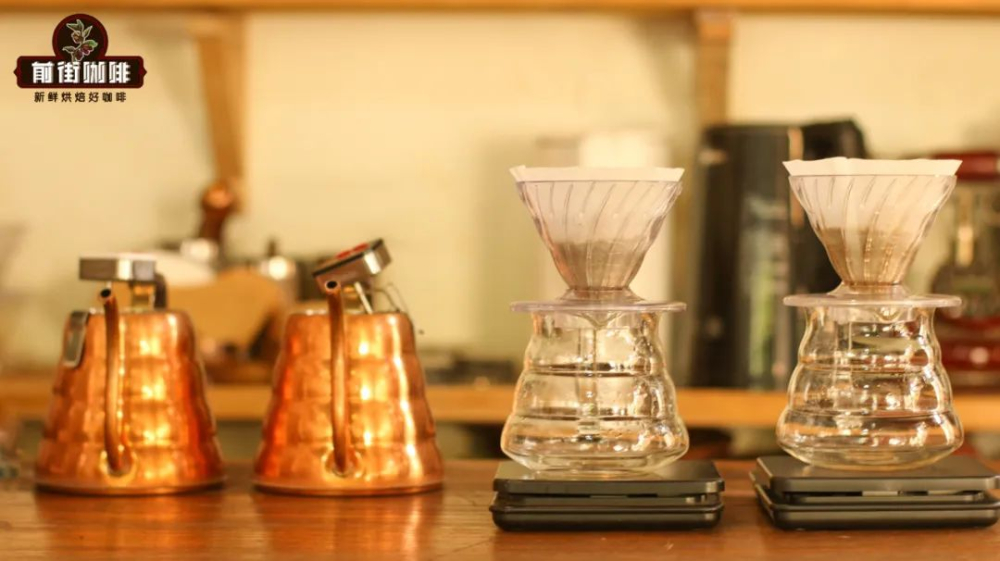
First, we selected a lightly roasted Yirgacheffe · Guji Dingding as the test bean, using 15g of coffee, a 1:15 brew ratio (225ml total), ground at Ek43 setting 10, with water temperature controlled at 92°C, brewed in a V60 filter. The first two pours were consistent: the first pour used double the coffee weight in water (30ml) for a 30-second bloom, followed by a slow circular pour of 120ml of hot water, totaling about 46 seconds for the first two stages.
< >
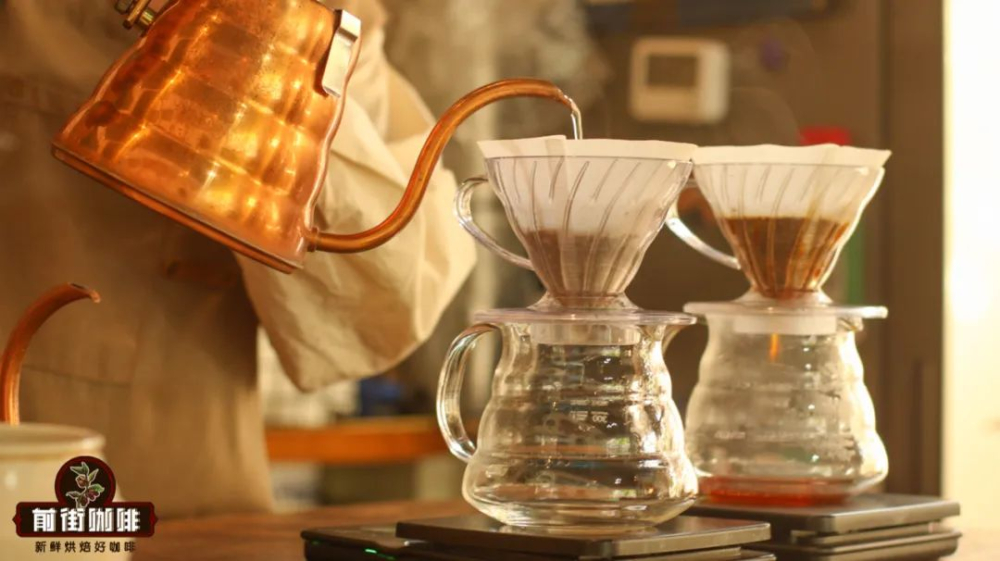
The key difference appeared in the third pour: the first brew resumed pouring with 75ml of remaining water at around 1 minute 15 seconds, using a slow small-circle motion while water hadn’t fully drained; the second brew waited until 1 minute 25 seconds, when the water flow had nearly stopped (only droplets remained), before executing the third pour. Ultimately, the first brew’s total extraction time was 2 minutes 15 seconds, while the second extended to 2 minutes 26 seconds.
In terms of flavor, the first brew exhibited more pronounced aromatics, while the second showcased a richer acidity—but both were within acceptable ranges, with no noticeable over- or under-extraction. This indicates that even slight variations in pour timing have limited impact on lighter roasts, which are more forgiving.
However, the differences reveal nuanced details: the second brew’s extra ~10-second wait caused a slight drop in kettle water temperature, along with about a 1°C reduction in pouring temperature, leading to a marginally lower extraction rate and affecting aroma. Still, these changes remained within reasonable bounds, delivering good flavor for daily brewing.
< >
Yet, the above experiments focused solely on forgiving light roasts. If medium-dark roasted beans were used, outcomes could differ significantly. To test this, we conducted comparative experiments with medium-dark roasted Papua New Guinea · Paradise Bird, using 15g of coffee, a 1:15 brew ratio (225ml), adjusting grind size to Ek43 setting 10.5, lowering water temperature to 90°C, and switching to a Kono filter to simulate a different extraction environment.
Similarly, the first two pours were identical, completed within 46 seconds. The difference again lay in the third pour: the first brew resumed pouring with 75ml remaining at around 1 minute 16 seconds, before water flow fully ceased; the second brew waited until 1 minute 30 seconds, when drips had nearly stopped, before continuing. Results showed the first brew’s total extraction time was 2 minutes 14 seconds, while the second extended to 2 minutes 30 seconds.
Flavor-wise, both brews showcased Paradise Bird’s signature nutty and creamy aromas, but in terms of mouthfeel, the second brew exhibited noticeable bitterness, disrupting the original sweet-acid balance. This occurred because medium-dark roasted beans have looser structures and lower error tolerance—prolonged extraction easily releases excessive bitter compounds, leading to imbalanced extraction.
< >
Notably, not only medium-dark roasts risk over-extraction from delayed pours; certain light roasts with high fine-particle ratios may face similar issues. Fine particles can clog filters, causing uneven water flow and localized over-extraction, resulting in unwanted bitterness. For such beans, a more stable pouring strategy is advised—such as resuming the third pour only when the water level is nearly drained—to maintain flavor balance.
Overall, while pause-pouring isn’t inherently flawed, its success heavily depends on corresponding extraction parameter adjustments. If you prefer pause-pouring, techniques like Tetsu Kasuya’s coarse-grind 4:6 method—designed for such approaches—are recommended to ensure flavors don’t degrade due to prolonged extraction.
In summary, the timing of the third pour in pour-over brewing does influence final flavor, with varying effects across different roast levels. Understanding these subtle differences helps you adjust brewing strategies based on bean characteristics, further enhancing pour-over quality and consistency.
< ><
 ><
 >
The above content is compiled by CoffeeHunters, a coffee news website.


