








Introduction:Colombia's coffee production saw a significant rebound in November, with output reaching 1.28 million bags for the month, a year-on-year increase of 21%, marking the third consecutive month of positive growth. Export value also rose nearly 30% simultaneously, indicating steady market demand. However, over the past three years, extreme weather has driven up planting costs dramatically, putting immense pressure on farm owners. With the weather pattern shifting toward El Niño, production in 2024 is expected to return to the range of 11.6 to 12 million bags, potentially driving industry recovery.
According to the latest statistics from the Colombian National Federation of Coffee Growers (FNC), the country’s coffee production in November 2023 reached1.28 million bags(60 kg per bag), showing a significant year-on-year increase21%. Notably, this marks the third consecutive month of positive production growth. Meanwhile, the total export value of coffee for the month also achieved29%a notable rise, reflecting sustained strong international demand for Colombian coffee.
Looking at cumulative annual data, from January to November 2023, Colombia’s total coffee output was10.1 million bags, which, although slightly higher than the same period last year by0.3%, saw a decline in spot premiums at origin, indicating subtle shifts in market supply and demand. Interestingly, while production is gradually recovering, price trends have not fully mirrored the upward movement, posing certain challenges to the income stability of coffee farmers.
Over the past three years, Colombia’s coffee industry has been severely impacted by extreme weather, with the alternating occurrences of La Niña and El Niño leading to continuous declines in output and soaring planting costs. A local coffee farm owner revealed that the cost of producing a 125 kg bag of coffee has risen sharply from around$400three years ago to approximately$600now—an increase of over50%—highlighting the immense operational pressure faced by small and medium-sized coffee farmers.
Notably, recent weather patterns have gradually shifted toward El Niño. While this transition may pose challenges for other global coffee-growing regions, it is actually positive news for Colombia. Improved weather conditions are conducive to the healthy growth and stable yield of coffee trees. As a result, the FNC is optimistic that Colombia’s coffee production in 2024 could rebound to between11.6 and 12 million bags, ending the three-year streak of consecutive declines.
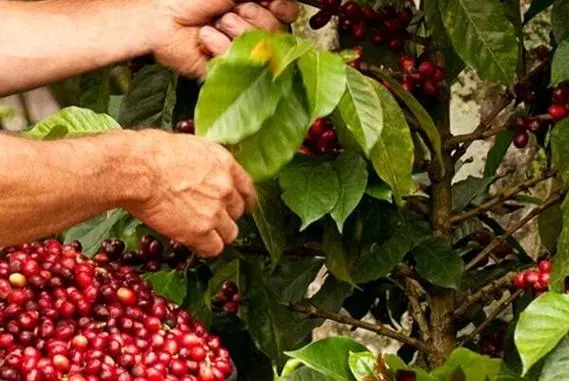
In terms of export performance, Colombia exported1.09 million bagsof coffee in November 2023, achieving a year-on-year growth rate of29%, demonstrating strong international market demand. However, looking at the cumulative exports from January to November, the figure was9.5 million bags, which is8%lower than the same period last year, indicating some volatility in full-year export performance. In 2022, Colombia’s coffee production totaled only11.08 million bags, the lowest since 2013. The three-year consecutive decline in output led to a significant rise in the country’s spot coffee prices.
The U.S. Department of Agriculture’s forecast for the 2023/24 season indicates that Colombia’s coffee production is expected to reach10.7 million bags(calculated at 60 kg per bag), with estimated coffee exports for the year at12 million bags(60 kg per bag). These figures further support the notion that Colombia’s coffee industry is gradually emerging from the shadows and moving toward recovery. For consumers interested in specialty coffee, understanding these regional dynamics can help better anticipate future supply trends and flavor profiles of coffee beans.
The above content is compiled by CoffeeHunters, a coffee news website.


