







Introduction:Delivery coffee has become an integral part of many people’s daily lives. However, from preparation to delivery, every aspect of packaging design directly impacts the taste, temperature, and overall experience of the coffee. This article delves into the key elements of delivery coffee packaging — including leak-proofing, insulation techniques, compartmentalization strategies, and weather-specific solutions — helping readers understand the meticulous planning behind a perfectly delivered cup of coffee.
With the rise of food delivery services, coffee delivery has become a routine consumption habit for many consumers. Yet, between the moment a barista finishes crafting a drink and when it arrives in the hands of the customer, each step — especially the packaging design — plays a crucial role. The packaging must not only prevent leakage and maintain the right temperature, but also preserve the coffee’s original flavor as much as possible. This involves a series of professional and detailed design considerations.
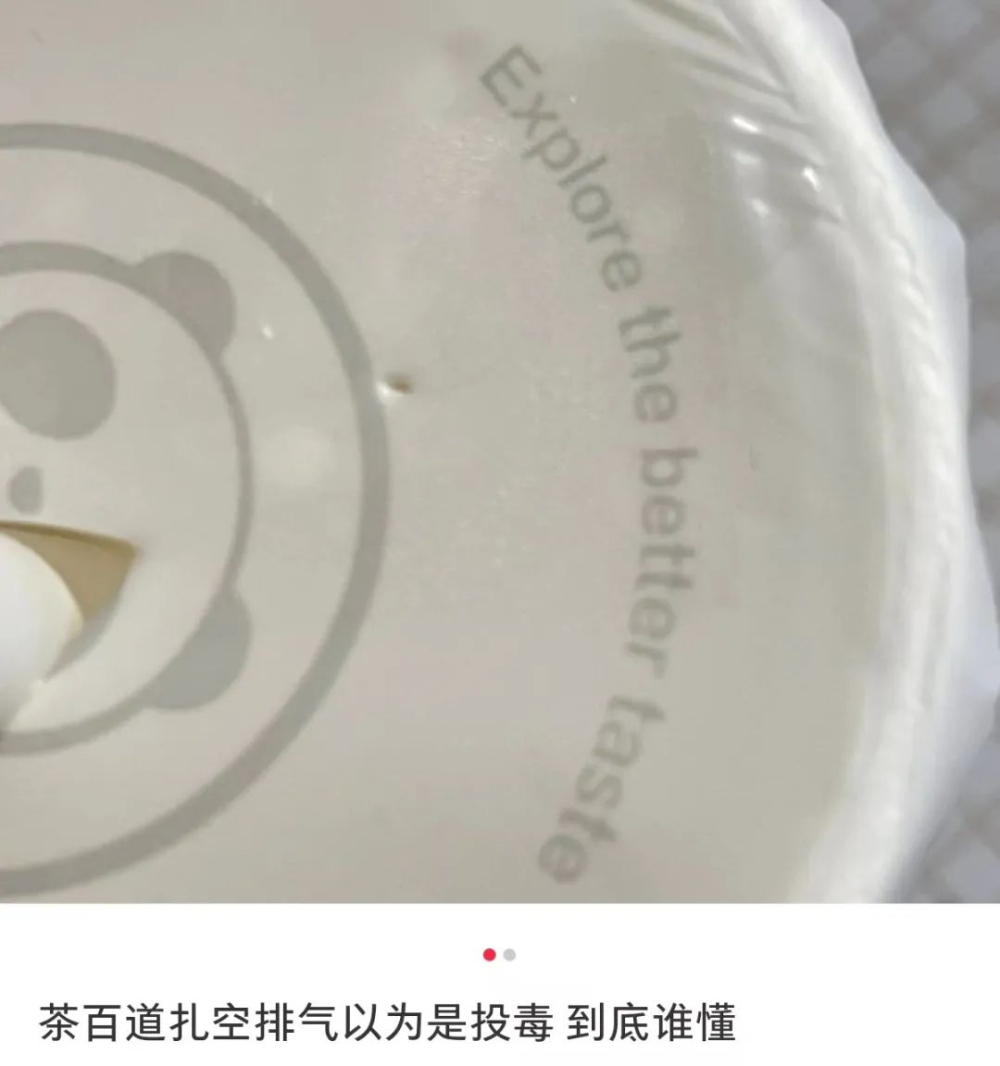
One of the most common yet often overlooked details is the small hole on the lid of hot beverage cups. Many customers have wondered about it, suspecting a quality issue or manufacturing defect. In fact, this small hole is an intentionally designed vent, primarily meant to release the pressure that builds up inside a hot drink as it warms up. This prevents the cup from bursting due to excessive internal pressure, thereby enhancing both drinking safety and customer satisfaction.
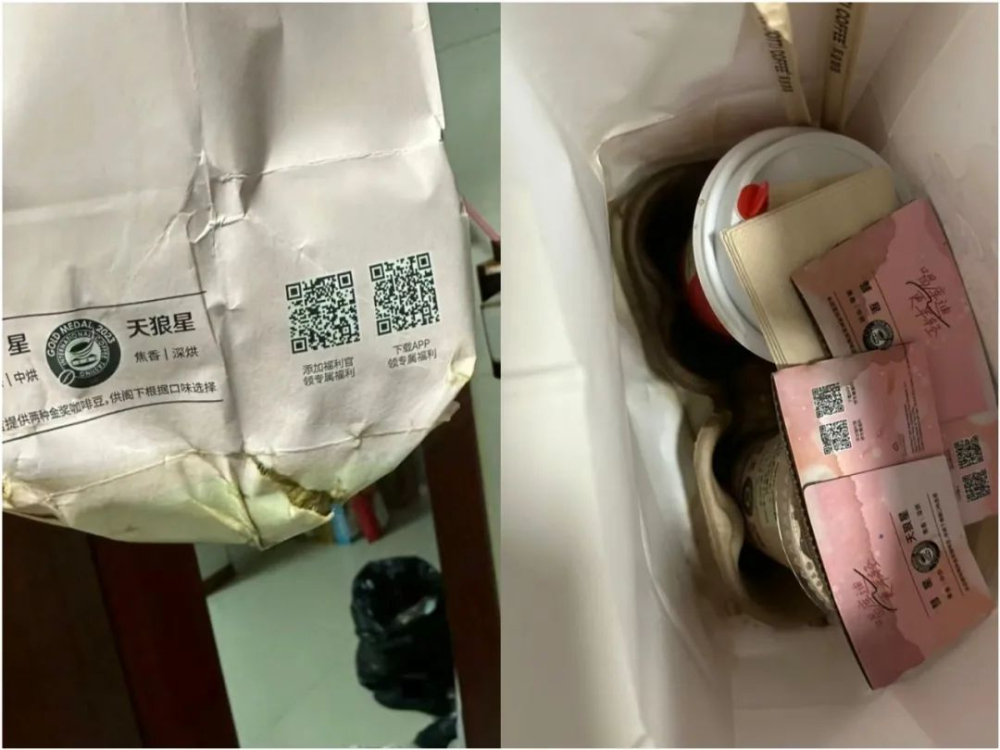
Spillage during transit has long been a headache for both businesses and consumers. Especially when rides are bumpy, poorly sealed packaging can easily lead to coffee leaking. This not only affects the appearance of the drink but may also soil other items, leading to complaints or even negative reviews. To reduce such occurrences, many coffee shops have switched to specially designed spill-proof paper cups, adding an extra layer of leak-proof paper between the lid and rim. Some even wrap the cup with plastic cling film or use multiple sealing stickers to improve closure, which may not eliminate the problem entirely, but significantly lowers the risk of spills.
Besides preventing leaks, maintaining warmth is another major challenge for delivery coffee. Particularly during cold seasons, customers expect to receive a hot cup of coffee, but inadequate thermal insulation of the packaging often results in the drink arriving lukewarm or cold. Standard paper bags offer almost no insulation, so many shops provide additional thermal cup sleeves or tightly wrap the cups with aluminum foil to slow heat loss. Aluminum foil is not only low-cost but also provides some level of leak resistance, making it an economical choice for winter insulation. It enhances the customer’s drinking experience and helps boost brand loyalty.
Compared to hot drinks, the challenge with cold beverages lies in the dilution of coffee caused by melting ice, which can negatively affect flavor. To address this, many shops have adopted compartmentalized packaging — separating drinks like lattes or Americanos into different components such as espresso, ice, and milk, each packed in separate containers. While some customers find this approach overly complicated and less environmentally friendly, many appreciate the thoughtful design, believing it helps preserve flavor during transit and allows them to assemble their drink upon arrival, adding a sense of participation and ritual.
For businesses, compartmentalization increases operational steps and material costs. But to maintain optimal flavor and high customer satisfaction, many are willing to invest these extra resources. Additionally, choosing cold drink cups with smoother, rounded edges is another detail that helps avoid lip cuts and improves overall user comfort.
In bad weather, such as rainy days, conventional paper bags can easily get soaked and tear, causing coffee to leak. As a result, many shops use what’s called a “raincoat bag” — a waterproof outer-layer packaging bag that effectively protects the inner bag and the drink. For customers ordering multiple cups, some shops even offer customized multi-cup packaging boxes to ensure all drinks arrive safely. For example, the multi-cup takeaway box once launched by Manner sparked online discussion for its practicality and sleek design.
In summary, the packaging design of delivery coffee is not just about transportation convenience — it’s a comprehensive art that blends practicality, brand experience, and consumer satisfaction. Every detail, from leak prevention and insulation to compartmentalization, can influence how a customer ultimately perceives their cup of coffee. A merchant’s attention to these details often becomes a key reason why customers return or recommend the shop to others.
The above content is compiled by CoffeeHunters, a coffee news website.


