








Introduction:The Icepupil dripper has made a name for itself in the pour over world with its unique three-layered sidewall and groove design. This article takes an in-depth look at the structural principles of its body, breaking down everything from flow rate control to brewing efficiency, comparing its extraction differences with the classic V60. Using the Green Label Geisha from Finca Emerald as an example, it also showcases real-world flavor changes during testing and provides complete pour over parameters and practical tips.
Among the wide variety of pour over drippers, the Icepupil dripper captures attention with its crystal-clear appearance, but its true highlight lies in its innovative sidewall design. Unlike common conical drippers, the Icepupil features a three-tiered sidewall structure, with specially arranged grooves that influence water flow and extraction, thereby altering the final flavor profile of the coffee.

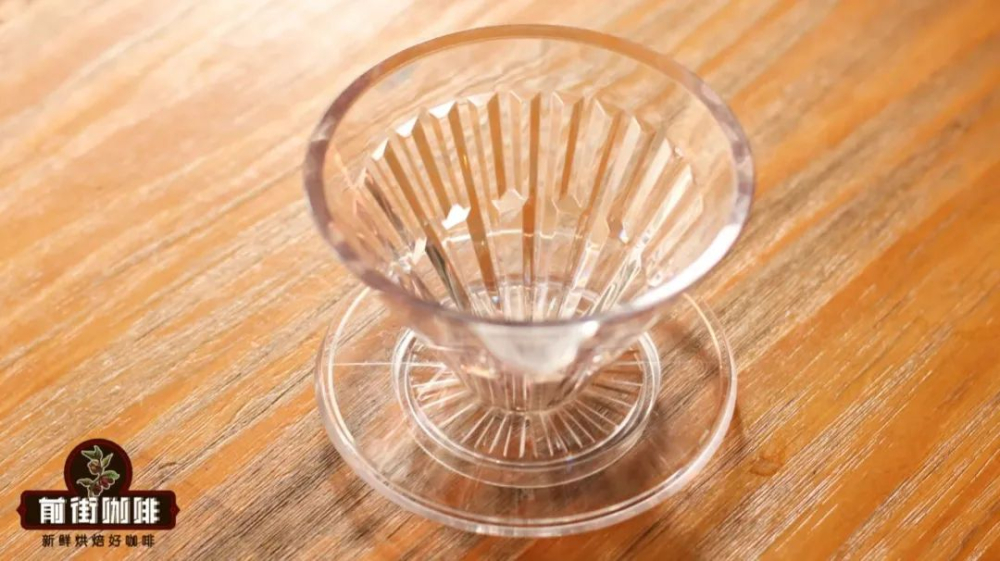
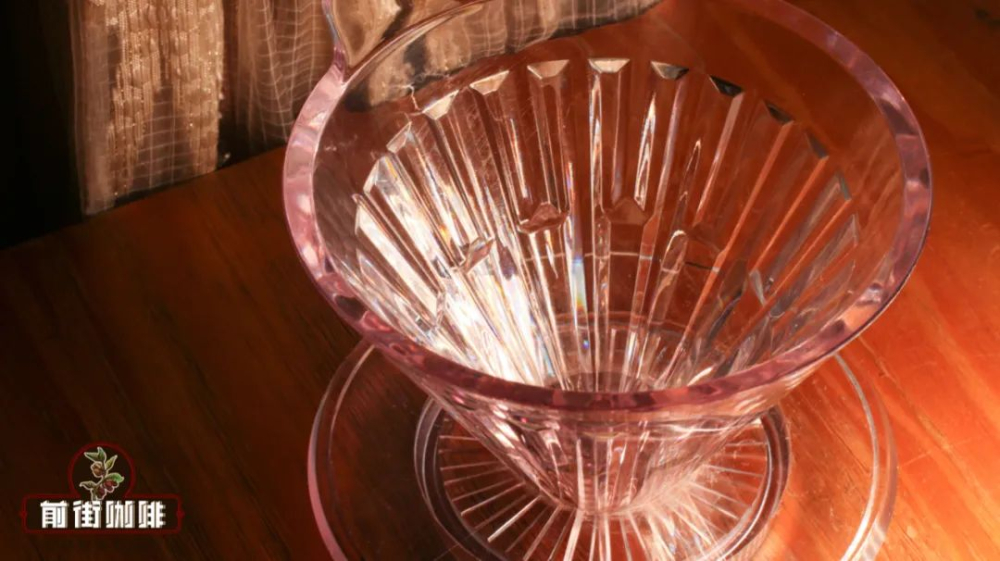
If you’ve ever wondered why some drippers can extract richer body while others emphasize bright acidity and layered complexity, understanding the internal structure of the dripper is key. The Icepupil is precisely such a product that challenges traditional thinking right from its design. Its sidewall is divided into three distinct sections from top to bottom: the top is a smooth surface without any grooves, ensuring the filter paper adheres tightly; the middle section features 24 finer grooves that help regulate water flow speed in the mid-stage; the bottom is equipped with 12 wider grooves that extend all the way to the outlet.
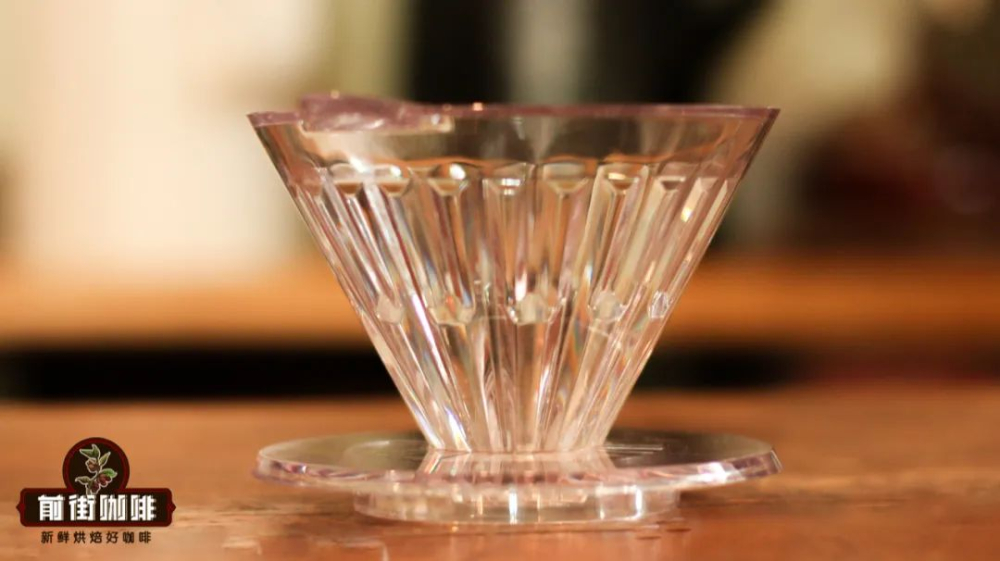
Notably, the Icepupil dripper does not use the common outward-protruding flow-guiding ribs to create gaps, but instead employs inwardly recessed channels to guide water flow and facilitate air release. Viewed from the side, this design makes the bottom grooves and middle fine grooves form an inverted A-shaped arrangement, with the lower section’s structure resembling a suspended state—similar in effect to the Origami dripper. This structure naturally regulates water flow speed at different stages, allowing the middle fine grooves to prolong immersion time while the bottom wide grooves accelerate water passage, effectively reducing the risk of over-extraction.
Because of this design, the Icepupil dripper is classified as a type with relatively fast outflow speed. So how does its actual extraction performance compare with the classic V60? The following hands-on pour over test will take you deeper into the details.
For this experiment, the market-renowned “Finca Emerald · Green Label Geisha,” known for its rich flavor layers, was selected as the test bean to fully demonstrate the characteristics and differences in flavor extraction between the two drippers.
[Pour Over Parameters]
• Coffee dose: 15 grams
• Grind size: Ek43 grinder setting 10 (suitable for a fine grind for light to medium roasts)
• Coffee-to-water ratio: 1:15 (total water volume 225 ml)
• Water temperature: 92°C
• Brewing method: three-stage pouring
Steps for the three-stage method are as follows: First, pour 30 ml of water (twice the coffee dose) for a 30-second bloom; then slowly pour 120 ml of hot water in a large circular motion; when the water level is about to go down, pour the remaining 75 ml in a small circular motion until dripping is complete.
The actual test results showed that the V60 completed extraction in approximately 2 minutes and 15 seconds, while the Icepupil dripper took about 2 minutes and 16 seconds—almost identical. In terms of flavor, the Green Label Geisha brewed with the V60 displayed bright honeydew melon sweetness, soft citrus acidity, subtle jasmine floral notes, and a clear green tea tone, with a vivid and well-layered flavor profile but a relatively lighter body.
In comparison, the same bean brewed with the Icepupil dripper also had jasmine floral notes and honeydew sweetness, along with a slight hint of orange peel freshness. The mouthfeel was fuller and more substantial, while the tea-like quality was slightly subdued. These differences mainly stem from the extraction mode guided by its cup structure: the middle fine grooves extended the contact time between water and coffee grounds, helping to enhance body; the bottom suspended wide grooves ensured smooth water flow in the final stage, preventing over-extraction.
In short, the V60 is ideal for those who seek a clear separation of flavor layers, bright acidity, and well-defined taste profiles; whereas the Icepupil dripper excels at delivering a fuller, richer, and smoother coffee experience, with slightly more restrained yet rounder flavors.
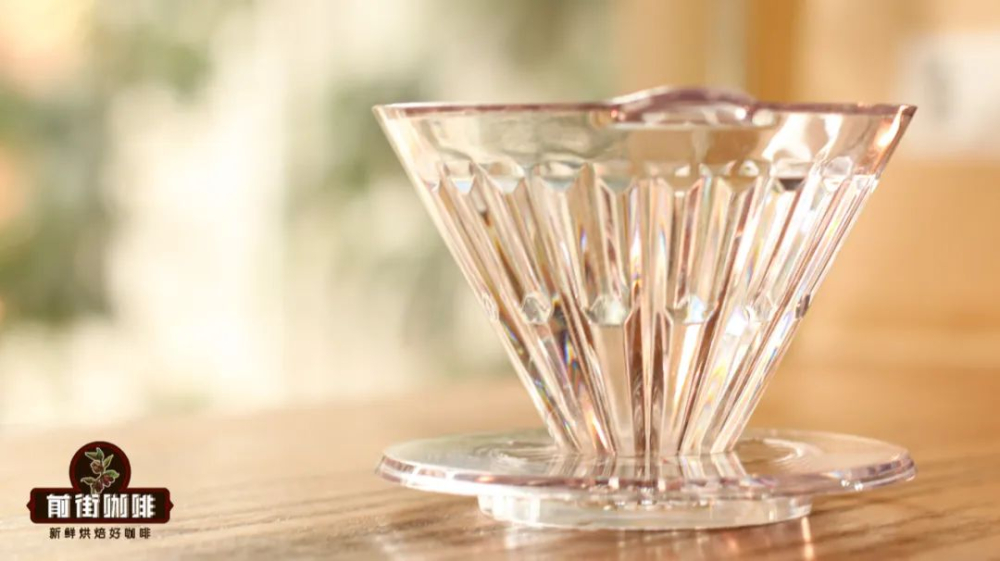
Additionally, the Icepupil dripper has a practical advantage: its sidewall design allows the filter paper to adhere more easily to the dripper body without needing the effort often required to adjust it in certain conical drippers. For coffee enthusiasts who value detail and ritual, this is undoubtedly a big plus.
If you’re interested in exploring different pour over tools and fine-tuning your brewing process, give the Icepupil dripper a try and experience how design nuances can subtly shift flavor outcomes. Master the cup structure, grind size, and pouring rhythm—and you’ll be able to brew your own perfect cup.
The above content is compiled by CoffeeHunters, a coffee news website.


