








Introduction:Colombia’s coffee production in the 2023/24 season is expected to rebound to 11.5 million bags, still below pre-pandemic highs but having emerged from the shadow of La Niña. Experts analyze the real impact of climate factors on output and reveal the strategic expansion of Robusta varieties into non-traditional growing regions. This article brings you up to speed on Colombia’s coffee production and sales trends, and the potential shifts in the global supply chain.
The latest report from the United States Department of Agriculture (USDA) indicates that Colombia’s coffee output for the 2023/24 season (October to September) is projected to reach 11.5 million bags (60 kg per bag), a 7.5% increase from the 2022/23 season. Although El Niño typically brings drought threats, the damage caused by heavy rains and overcast conditions due to La Niña over the past year was more significant, allowing this year’s production capacity to recover.
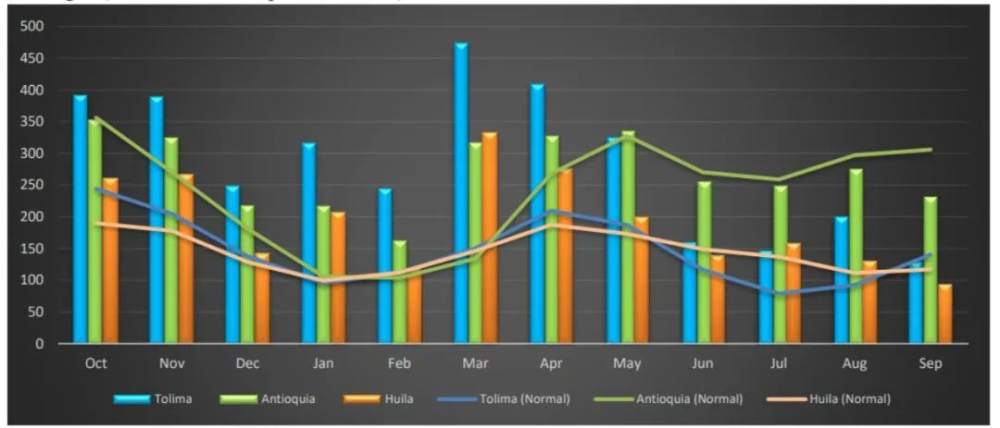
Looking back at the 2022/23 season, Colombia’s coffee production totaled just 10.6 million bags, a sharp 9.1% drop from the previous year. At that time, the La Niña phenomenon led to rainfall levels far exceeding historical averages, with some producing regions experiencing monthly precipitation more than 30% higher than usual.Months of excessively wet conditionsdirectly suppressed crop pollination and fruit setting. In addition, soaring global fertilizer prices forced farmers to reduce application rates, further weakening tree health.
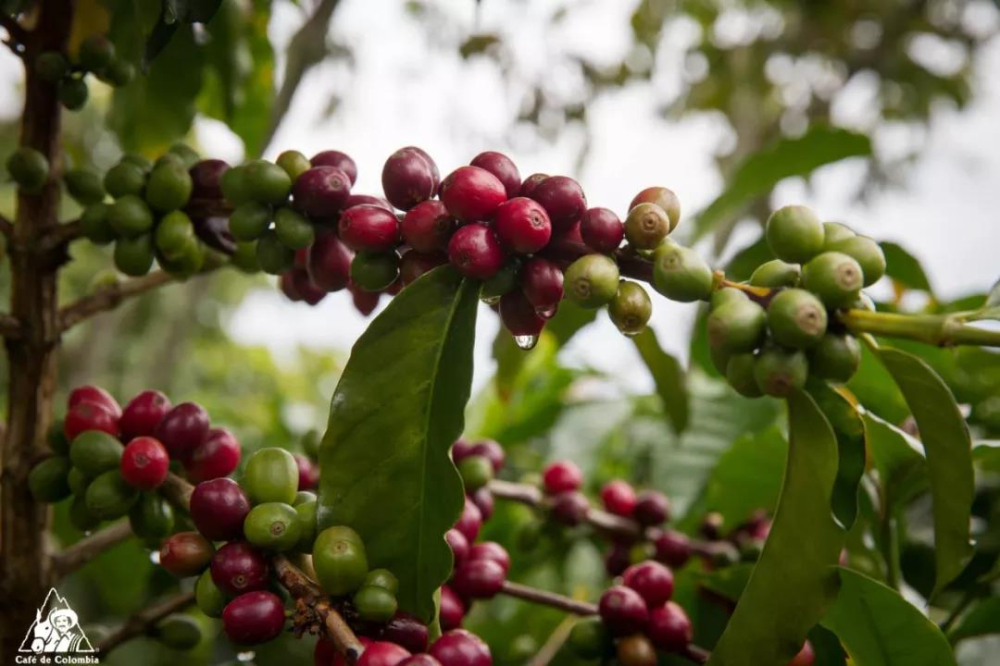
Notably, Colombia once achieved a peak production of 14 million bags in the 2019/20 season, but output has remained below the expected 12 million bags in recent years. Beyond climatic factors, reduced government subsidies and an increasing proportion of aging coffee trees have also had long-term impacts on production potential. Currently, about 30% of the country’s Arabica trees are over 20 years old, resulting in a significant decline in yield per unit area.
In terms of export markets, North America remains Colombia’s largest coffee buyer, accounting for over 44% of total exports, followed closely by the EU at 23%. Total exports for the 2023/24 season are expected to climb to 12 million bags, signaling a continued recovery in international demand. However, domestic consumption growth has also driven import needs, with Colombia importing around 2.3 million bags of coffee beans annually from countries such as Brazil, mainly to meet local consumer demand for diverse flavors.
In terms of variety deployment, the Robusta Genetics Company introduced to Colombia in 2018 has completed quarantine procedures and is expected to be gradually promoted in lower-altitude areas or regions unsuitable for traditional Arabica cultivation. These areas could see the expansion of up to 80,000 hectares of Robusta, with a theoretical annual output of up to 3.2 million bags. Industry analysts say this move primarily targets the soluble coffee market, aiming to reduce import dependence through localized production while meeting the instant coffee industry’s need for highly disease-resistant varieties.
Experts caution that when observing the dynamics of Colombia’s coffee industry, it is essential to simultaneously consider changes in climate patterns, adjustments in tree age structure, and the potential global supply chain impacts of expanding Robusta cultivation. These factors will collectively determine the supply-demand balance of the global specialty coffee market in the coming years.
The above content is compiled by CoffeeHunters, a coffee news website.


