







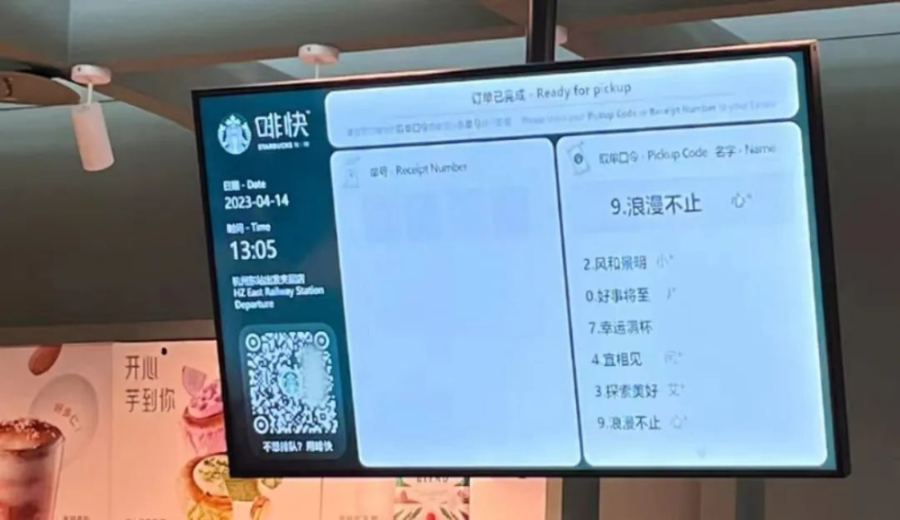
Introduction:The handwritten names and doodles that once brought smiles to customers are gradually being replaced by standardized labels at Starbucks. This shift not only reflects an efficiency-driven approach to store operations but also raises questions about the balance between personal touch and standardization in the coffee experience. This article delves into the key reasons behind the rise and fall of handwritten cups, exploring customer perceptions, employee challenges, and the rise of the "Starbucks Now" service, to show how this small change is impacting overall coffee culture.
In the past, when ordering a coffee at Starbucks, customers often looked forward to seeing their personalized name and the occasional cute doodle or heartwarming message on their cup while waiting. However, this familiar “little joy” is slowly fading from view, replaced by standardized printed label stickers. What is driving this change? Is it about efficiency? Or shifting needs between customers and employees?
Many customers still miss the unique sense of ritual that came with handwritten cups. Some mention that even a simple smiley face was enough to brighten their mood. Yet, over time, this once-warm gesture has faced unprecedented challenges. Not only do customers vary in their acceptance of handwritten content, but employees are also under growing pressure, gradually reducing this “extra” effort.
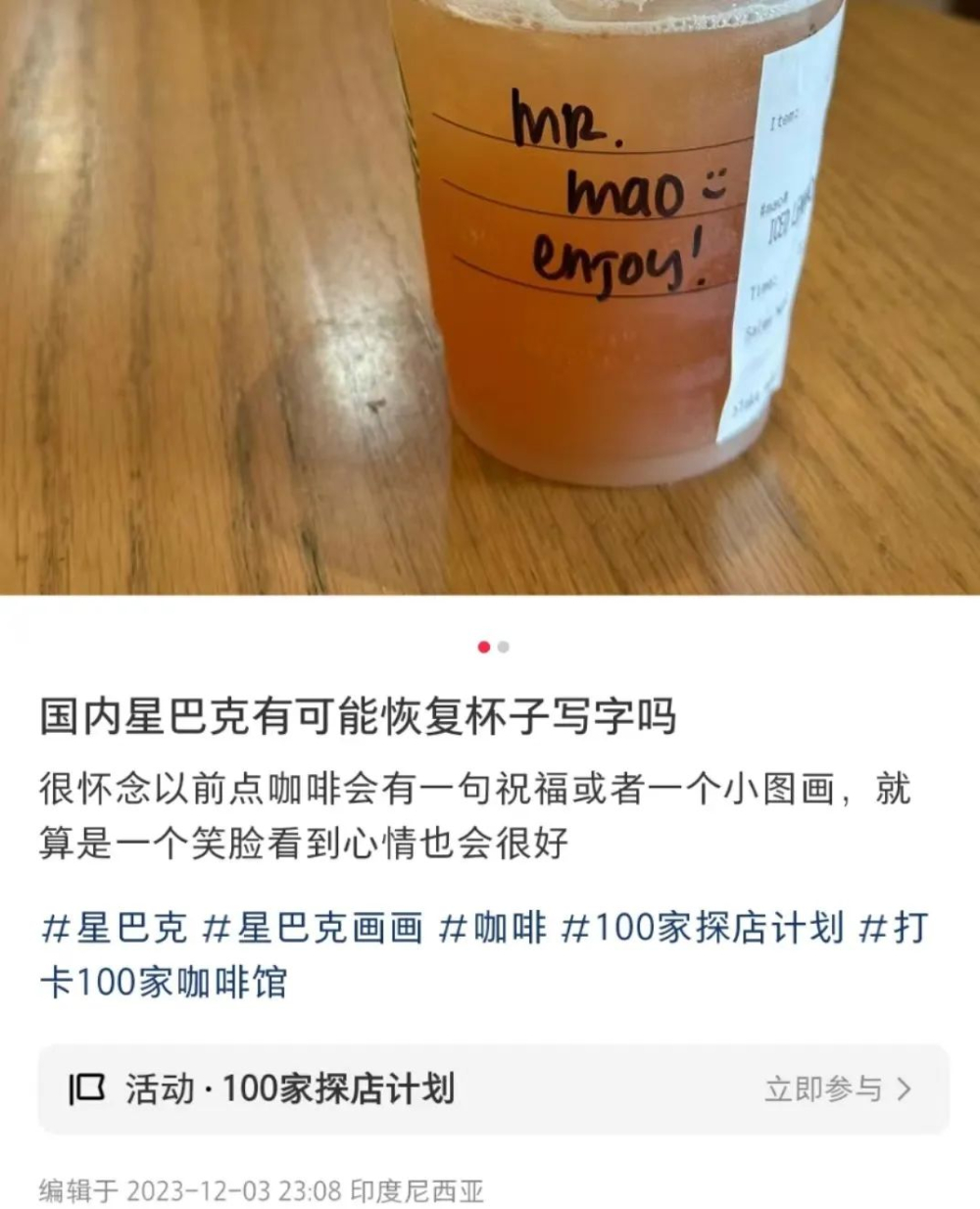
Looking back at the golden age of handwritten cups, the creativity on display was endless. At the very least, a cute smiley face or simple doodle of a character would follow a customer’s last name, adding a touch of warmth to what would otherwise be a cold drink order. Going further, some cups featured uplifting phrases or even small drawings, making each coffee seem like a custom-made piece of art.
However, the story behind handwritten cups isn’t all positive. For some customers, handwritten names brought concerns about hygiene or misunderstandings. Some are sensitive to handwriting and dislike others’ writing on their cups. There were also cases where names were misspelled — for example, 冯 (Féng) being mistakenly written as 黃 (Huáng) — causing unnecessary confusion. In more extreme cases, customers encountered pranks or inappropriate drawings, instantly tarnishing an otherwise pleasant purchase experience.
For Starbucks employees, writing on cups has also become a potential risk. Some staff, acting out of kindness by adding little drawings or messages, have received complaints from customers who felt their personal space was invaded or who were simply bothered by the gesture. One former front-line employee revealed, “Sometimes drawing was just out of politeness, but then customers complained, saying I was scribbling or even brought up privacy issues. After a while, no one wanted to take that risk.”
In addition, understaffing at stores has been another major reason for the decline of handwritten cups. During busy hours, employees often juggle multiple roles — from taking orders and making drinks to cleaning — leaving little time to add a personal touch to each cup. One barista admitted, “Schedules are tight now. Usually one person takes orders, one makes drinks, and maybe there’s one helper. There’s really no time for those ‘extra’ things.”
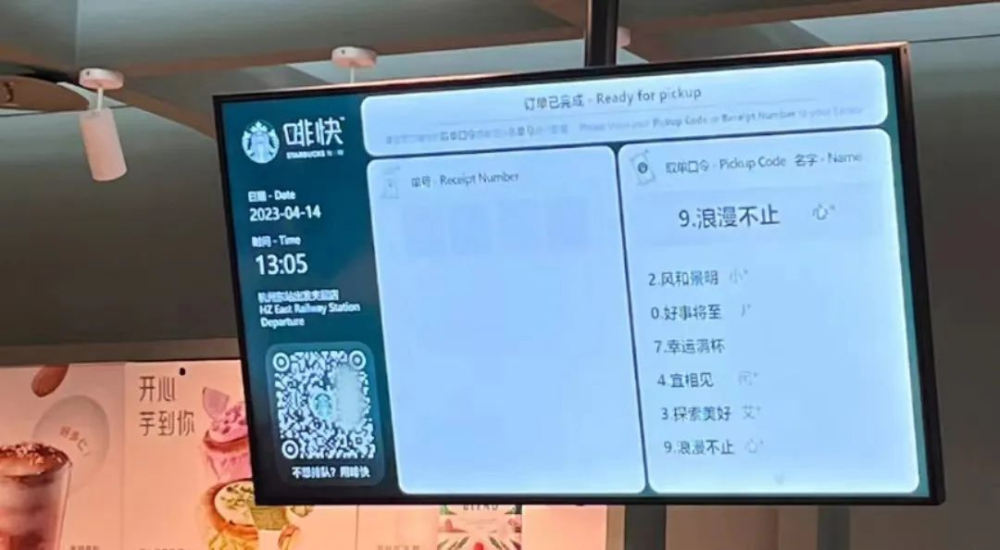
With the growing popularity of the "Starbucks Now" (啡快) service, increased process standardization has further diminished the role of handwritten cups. New employees are no longer even trained in this practice, and many are unfamiliar with the abbreviation codes that pop up on the POS system. Instead, quickly printed label stickers have taken their place. Though less personal, they significantly improve serving speed and accuracy.
From a brand management perspective, this shift may have been inevitable. Between efficiency, customer satisfaction, and brand consistency, Starbucks opted for the safer choice of labels. While many customers still nostalgic for handwritten cups, in today’s fast-paced consumption environment, standardization seems to be the best way to balance customer experience with store operations.
The above content is compiled by CoffeeHunters, a coffee news website.


