







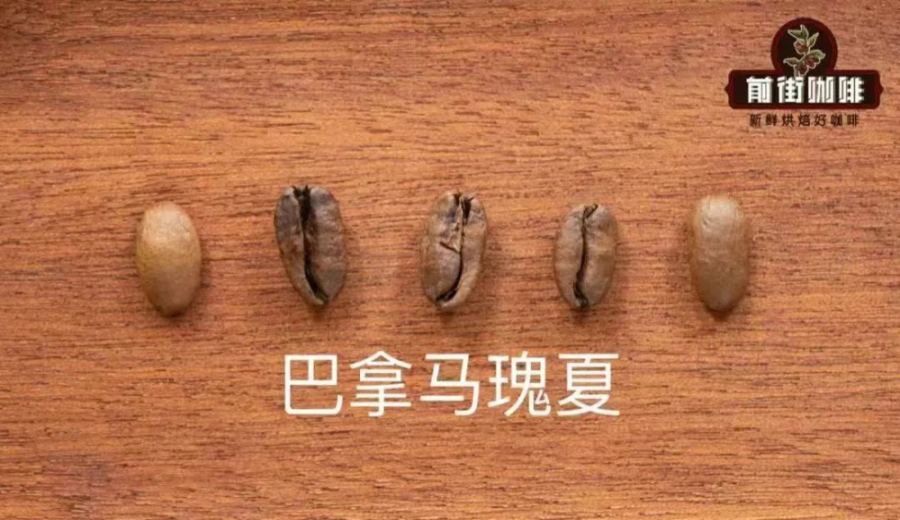
Introduction:Since Panama's Hacienda La Esmeralda introduced a Geisha variety with unique and remarkable flavor profiles, coffee enthusiasts and producing regions around the world have turned their attention to Ethiopia, hoping to uncover the origins of Geisha. Gori Gesha and Gesha 1931 are products of that quest. But are they truly the "same variety" as Panamanian Geisha? This article will take you through the story of their discovery, clarify their relationship with Panamanian Geisha, and explain why they are still referred to as "Geisha."
When it comes to Geisha, many people immediately think of the legendary coffee bean from Panama's Hacienda La Esmeralda, famous for its floral and citrusy honey-like flavors. In 2004, this bean stunned the world in a competition, making "Geisha" a buzzword in the specialty coffee scene. Subsequently, coffee-growing regions across the globe, especially Ethiopia, began searching for varieties genetically related to Panamanian Geisha, hoping to replicate its captivating flavors. It is within this context that Gori Gesha and Gesha 1931 came into being.
However, there is a common online skepticism: "They aren't even the same Geisha variety!" This has left many consumers puzzled—since both names contain "Geisha," why such skepticism? To clarify this, we need to go back to the origins of how these two beans were discovered.
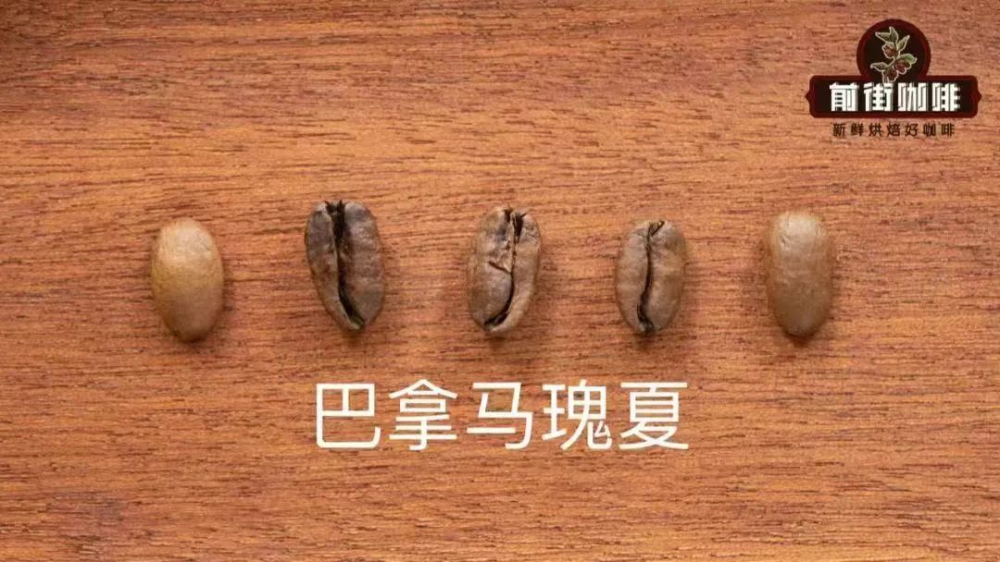
First, let’s look at how Gesha 1931 and Gori Gesha were discovered. In 2004, Panama's Hacienda La Esmeralda gained fame for a Geisha coffee bean bursting with floral notes and citrusy sweetness, making people take a fresh look at the potential of this variety. Soon after, the coffee industry shifted its focus to Ethiopia—the country believed to be the birthplace of the Geisha variety—hoping to find similar or even superior varieties among the native plants.
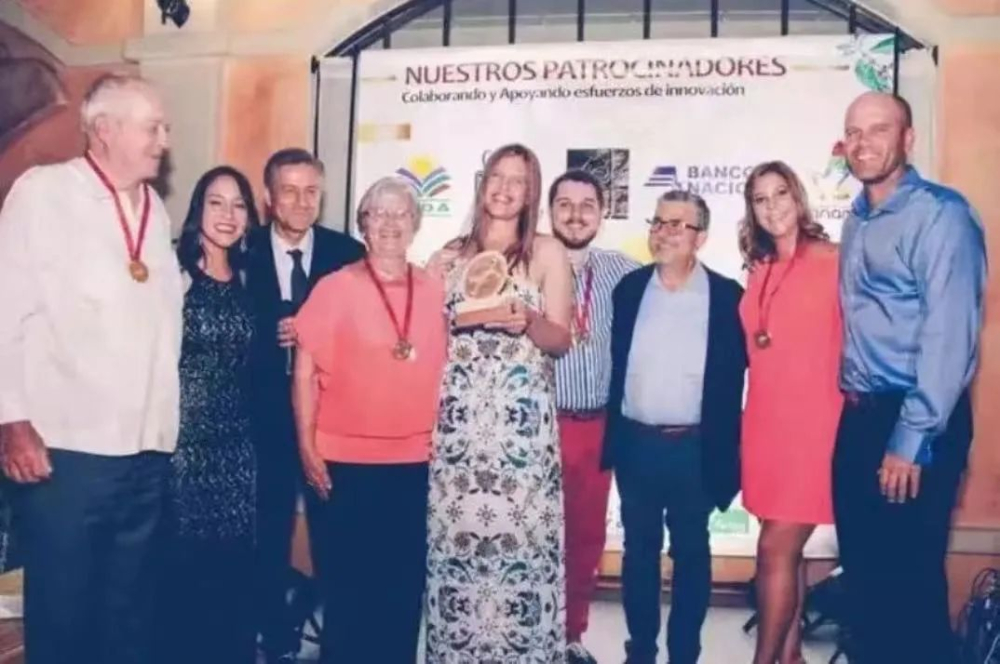
Historical records show that as early as 1931, British border patrols in Ethiopia’s Gesha Forest collected seeds of various coffee trees, including what would later become the renowned Geisha variety in Panama, alongside other native types. These seeds underwent years of transplantation and cultivation before finally taking root in Panama, where they gave rise to the world-famous Hacienda La Esmeralda Geisha.
However, trying to identify a variety in Ethiopia’s vast array of native plants that shares the same origin as Panamanian Geisha is akin to finding a needle in a haystack. It wasn’t until 2007 that Adam Overton, a documentary filmmaker focused on coffee, visited Ethiopia and developed a deep interest in the crop. The following year, he returned to the country and, under the guidance of local coffee expert Willem Boot, ventured deep into the forest where Geisha was originally discovered, aiming to find varieties similar to Panamanian Geisha.
Through careful observation of the plant morphology, as well as cupping and genetic analysis, they eventually identified a variety whose flavor profile and genetic traits closely resembled those of Geisha. To commemorate the year 1931 when the original seeds were collected, they named this variety "Gesha 1931."It is worth noting, however, that this does not mean it is a direct genetic descendant of Panamanian Geisha, but rather a variety with extremely similar flavor and appearance.
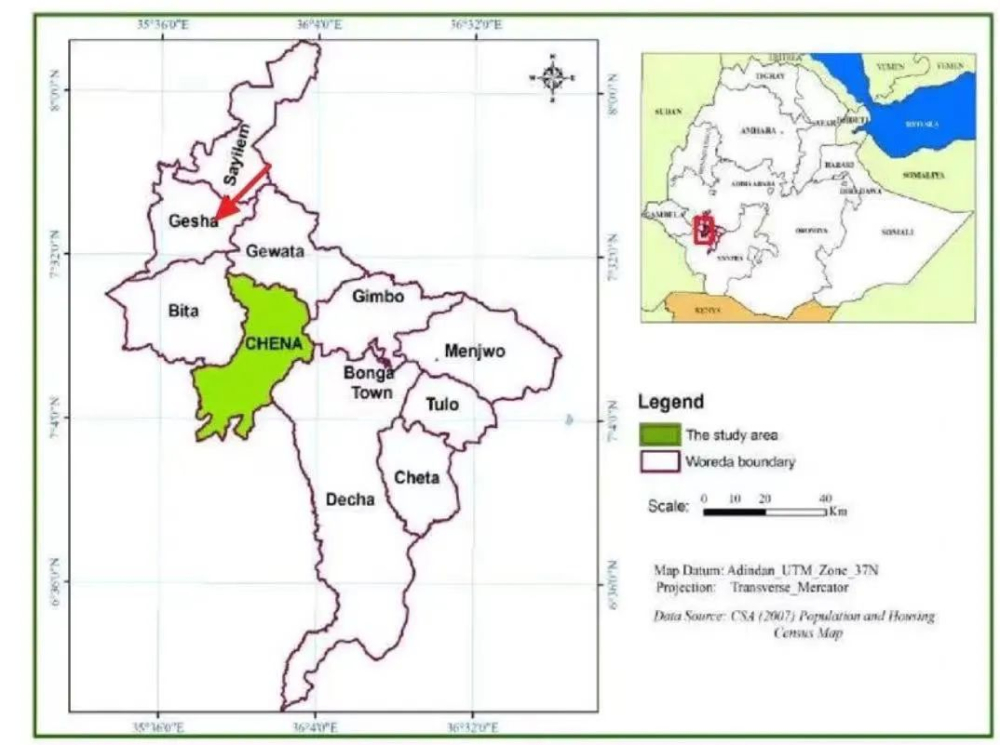
Then, in 2011, Adam and Rachel founded their own coffee farm in southwestern Ethiopia. Since the farm is located within the area of Gesha Village, they named it "Gesha Village Farm." Also in that year, Adam discovered another variety in the nearby Gori Forest that showed an exceptionally high similarity to Geisha. Because it was found in the Gori Forest, this bean was named "Gori Gesha," commonly referred to in Chinese-speaking communities as "戈裡瑰夏."
Both of these beans—whether Gesha 1931 or Gori Gesha—were discovered in or near the Gesha Forest, and were selected based on their resemblance to Panamanian Geisha in terms of flavor and physical characteristics. However,they were not directly transplanted from Panamanian Geisha, nor can they necessarily be proven to be genetically identical to the original Geisha variety.That said, because they originate from the same native Gesha forest region, using the name "Geisha" still holds geographical and historical legitimacy.

In summary, when discussing Gori Gesha and Gesha 1931, it’s important to understand that they are approximate varieties found in Ethiopia’s Gesha Forest, selected based on traits resembling Panamanian Geisha—not direct genetic relatives. The reason they are still called "Geisha" is that they carry the genetic background and some flavor characteristics of the region, while also continuing the market's expectations and associations with the name. Whether they deserve to be considered "true Geisha" ultimately depends on each coffee lover’s definition and personal taste.
The above content is compiled by CoffeeHunters, a coffee news website.


