








Introduction:Delve into the geographical environment, altitude, and microclimate characteristics of Honduras' six major coffee-growing regions to understand how each area shapes its unique coffee flavor profile. This article will also guide you through tasting a premium coffee bean from Finca Masaguara, processed using a sherry cask fermentation technique. From processing methods to flavor expression, we provide a comprehensive analysis of its captivating characteristics.
Honduras is located in the northern part of Central America, bordering Nicaragua, El Salvador, Guatemala, and Honduras itself, with the Pacific Ocean to the south and the Caribbean Sea to the north. Nearly 80% of the country’s land consists of mountains, coupled with a mild and pleasant climate and abundant rainfall, creating a highly suitable natural environment for growing Arabica coffee. Statistics show that in 2020, Honduras ranked sixth globally in total coffee production, with its Arabica output being the second highest in the world.
The country has over 280,000 hectares of coffee-growing land, the vast majority of which are small-scale farms, typically no larger than 3.5 hectares. To enhance coffee quality and distinguish regional characteristics, the Honduran Coffee Institute (IHCAFE), established in 1970, divided the nation’s coffee-growing areas into six major regions: Copán, Opalaca, Montecillos, Comayagua, Agalta Tropical, and El Paraíso. These regions average around 1,100 meters in elevation and each exhibits distinct microclimates and soil conditions.

The Copán region is situated in the western part of the country, bordering Guatemala, with elevations ranging between 1,000 and 1,500 meters, primarily surrounding the city of Copán. Due to its higher altitude, this area experiences significant day-night temperature variations, which help coffee cherries accumulate richer flavor compounds. It is commonly used for medium to dark roasts, often featuring strong notes of nuts and chocolate.
The Opalaca region covers the southern part of Santa Bárbara Department, as well as parts of Intibucá and Lempira, also traversed by the Opalaca mountain range, with elevations between 1,100 and 1,500 meters. The region enjoys a cool and stable climate, conducive to the slow maturation of coffee, aiding in the development of complex flavor layers. Coffees from this area often exhibit gentle acidity and delicate floral aromas.
The Montecillos region features even higher altitudes, ranging from approximately 1,200 to 1,600 meters, and includes several well-known sub-regions, among which Masaguara is a highly promising specialty coffee origin. The region enjoys a cool climate with ample sunlight, resulting in coffee beans with intense fruitiness and bright acidity — perfect for coffee enthusiasts who appreciate fruity notes and layered profiles.
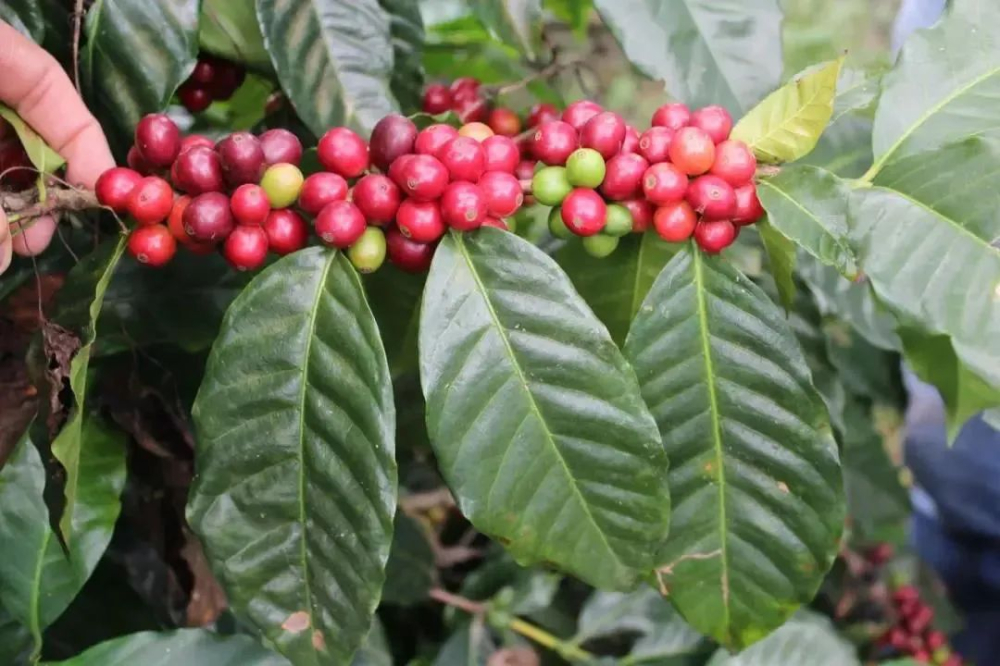
The Comayagua region is located in west-central Honduras, covered with lush vegetation and characterized by a tropical rainforest climate, also within the 1,100 to 1,500 meter elevation range. The coffee here, influenced by the dense forest environment, typically offers a balanced acidity-to-sweetness ratio and a full-bodied mouthfeel, making it a favorite base bean choice for many professional roasters.
The Agalta Tropical region lies in northern Honduras, at elevations between 1,000 and 1,400 meters. Most of this area is part of forest reserves, with a pristine environment and rich biodiversity. The coffee grown here often carries wild, natural flavors, such as herbal and spicy notes, appealing to advanced coffee drinkers looking to challenge their palates.
The El Paraíso region is not only one of the oldest coffee-growing areas in Honduras but also one of the largest, with elevations around 1,000 to 1,400 meters. This region has long been home to numerous coffee farmers and traditional processing mills. The coffee produced here generally boasts consistent quality and a full-bodied taste, serving as an important pillar of Honduras’ coffee industry.
A bag of Masaguara Sherry Coffee Beans purchased from a certain coffee brand comes from a standout farm within the Montecillos region. This coffee is made from Caturra, Catuai, and Pacas varieties, and employs an innovative processing method that combines meticulous washed processing with whiskey sherry cask fermentation. This technique draws inspiration from wine and whiskey production, allowing the coffee beans to interact with the residual spirit and woody aromas inside the sherry barrels during fermentation. Through micro-oxygenation via the barrel walls, the process promotes moderate oxidation of the beans while accelerating fermentation and softening tannins, gradually transforming fruity notes into complex wine-like aromas and mature fruit undertones.
After brewing, this coffee releases pronounced vanilla and creamy aromas. On the palate, one can immediately sense a robust whiskey base, complemented by the tart sweetness of berries, the nuttiness of almonds, and the smooth texture of dark chocolate. The finish leaves a warm, maple-like aftertaste. With its distinctly layered and unforgettable profile, it is an excellent choice for experiencing Honduras’ high-altitude specialty coffee and unique fermentation techniques.
The above content is compiled by CoffeeHunters, a coffee news website.


