







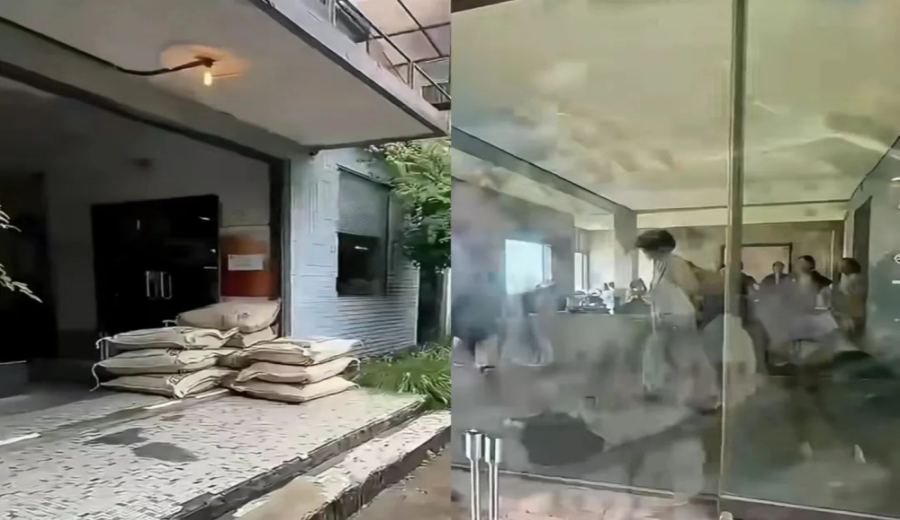
Introduction:In recent years, "ruins-style" cafés have become popular check-in spots among young people. From weathered walls to exposed rebar, how has this seemingly dilapidated interior style become so trendy? This article delves into the consumer psychology, design logic, and key elements behind creating a popular ruins-style space, helping readers understand the appeal of this trend and the practical considerations for implementing it.
Dim lighting, exposed rebar, peeling walls, and faded concrete floors—walking into such a space, you might think you’ve wandered onto an active demolition site. Yet, it’s actually a bustling café. In recent years, the "ruins-style" décor has rapidly gained popularity among young consumers. Evolving from early industrial and vintage styles to the "Syrian war-torn look" with its battle-scarred aesthetic, these deliberately rugged and raw spaces have become popular photo spots on social media.
The appeal of this style lies not only in its uniqueness but also in how it resonates with modern youths’ pursuit of "authenticity" and "contrasting beauty." The ruins aesthetic is actually derived from minimalist design, blending the raw textures of exposed concrete with the stark beauty of battlefield ruins. With the rise of influencer culture, such curiosity-driven and retro-inspired aesthetics have increasingly become favorites among designers and café owners. On social platforms like Xiaohongshu, check-in posts about ruins-style cafés continue to grow, indicating that this trend is still gaining momentum.
However, creating a successful ruins-style café isn’t simply about making a space look old and worn. Many assume that just finding an old building or abandoned space and doing some minor renovations will attract crowds, but in reality, the coordination of "hardware" and "software" is crucial.The so-called hardware refers to the café’s location and surrounding environment.Even if the interior design is unique, poor accessibility and a lack of scenic surroundings can make it hard to draw customers specifically for photos. Therefore, when choosing a location, factors like good transportation access and suitable outdoor or semi-outdoor areas for photos should be considered.
As for software, it encompasses the details of the interior décor, the quality of the coffee, and the overall service experience.For example, whether the cake presentation is refined, if the furniture has a vintage vibe, or if the coffee extraction is consistent—all these factors affect the customer’s overall impression. The charm of the ruins style lies in appearing casual yet meticulously designed. Thus, every detail must be intentional to create an atmosphere that feels both broken-down and aesthetically pleasing.
Additionally, designing a ruins-style space requires mastering one key principle: it must feel "authentically rundown, yet artificially so."This means the space should show signs of aging or wartime wear, but without being genuinely dirty, messy, or hazardous.For instance, walls can have peeling or cracks, but shouldn’t be covered in actual dust or mold; floors can show signs of wear, but must remain clean and not raise hygiene concerns. Similarly, furniture should be selected for its texture and compatibility with the overall style, rather than haphazardly placing cheap or mismatched seats—such as red plastic stools, which have no place in a ruins-style café.
A major reason customers are drawn to the ruins style isthe extreme visual contrast.When crumbling walls and worn floor tiles serve as the backdrop, a simple wooden table, a potted green plant, or a cup of coffee with delicate latte art can become the highlight of the frame. This contrast not only enhances the depth of the photo but also satisfies young people’s desire to "find beauty in decay." Once this contrast is disrupted—such as when the space is too filthy or the furniture too jarring—the overall ambiance feels awkward and loses its check-in appeal.
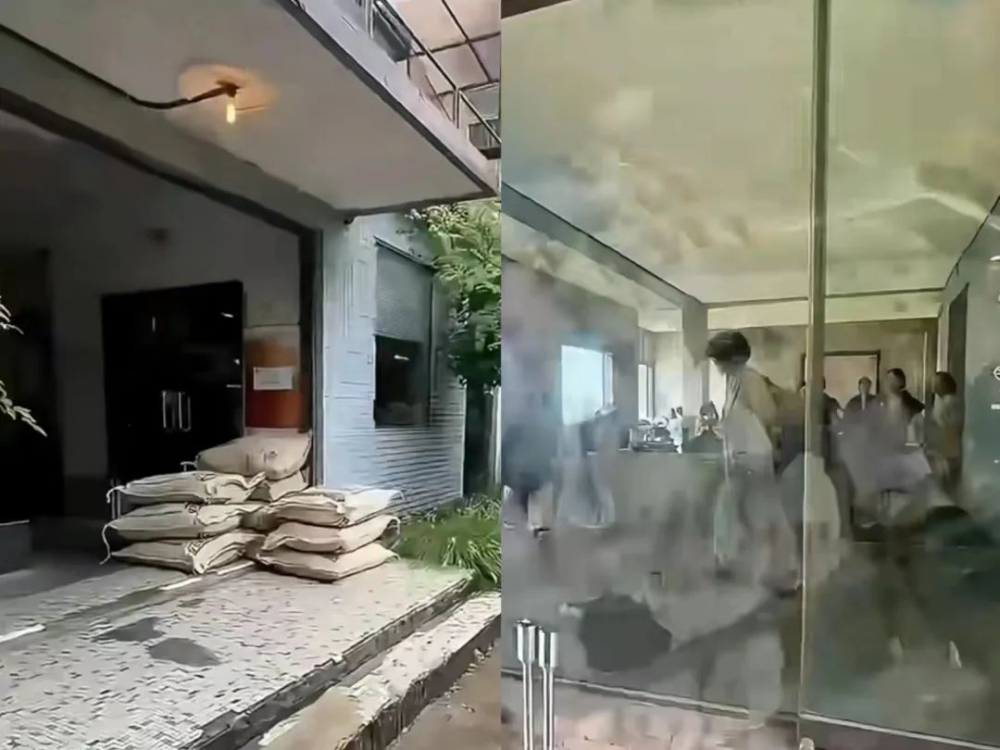
In summary, the reason ruins-style cafés have become hotspots for young people to visit and post about isn’t just because of their distinctive décor. It’s because they accurately capture modern society’s longing for "authenticity," "vintage charm," and "contrasting beauty." For business owners aiming to create a similar style, in addition to mastering design details, it’s essential to balance location, hygiene, and overall service quality to truly craft a space that feels both worn and refined, healing yet deeply relatable.
The above content is compiled by CoffeeHunters, a coffee news website.


