








Introduction:Want to explore the unique charm of Peruvian Cajamarca coffee? This smallholder coffee-growing region nestled in the Andes Mountains is renowned for its intercropping practices and washed processing, often yielding coffees with notes of caramel, cocoa, and berries. This article delves into its geographical environment, cultivated varieties, and processing methods, helping you grasp the flavor profile of this pour over bean and the ideal brewing parameters.
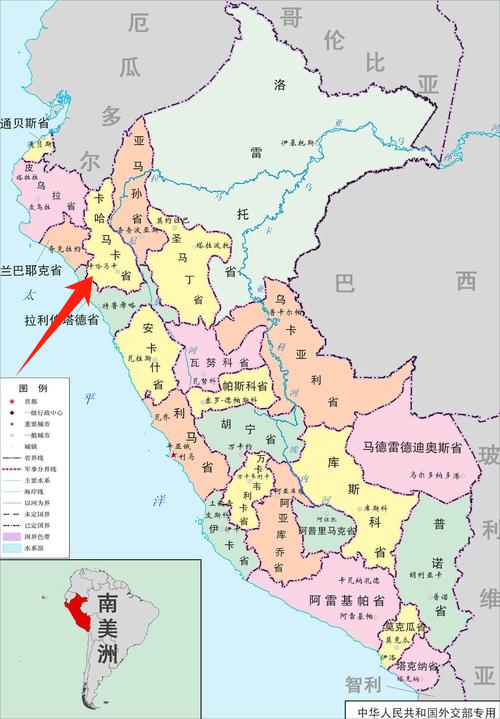
Located in western South America, Peru is traversed by the Andes Mountains from north to south, creating diverse terrains and microclimates that provide an ideal environment for coffee cultivation. Among them, Cajamarca, as one of the country’s key coffee-producing regions, boasts a planting history of over a century and remains primarily driven by small-scale farmers. Intercropping—where coffee grows alongside crops like bananas, avocados, and corn—is a common sight in the fields. This traditional farming method not only maintains soil health but also imparts a richly layered flavor profile to the coffee beans.
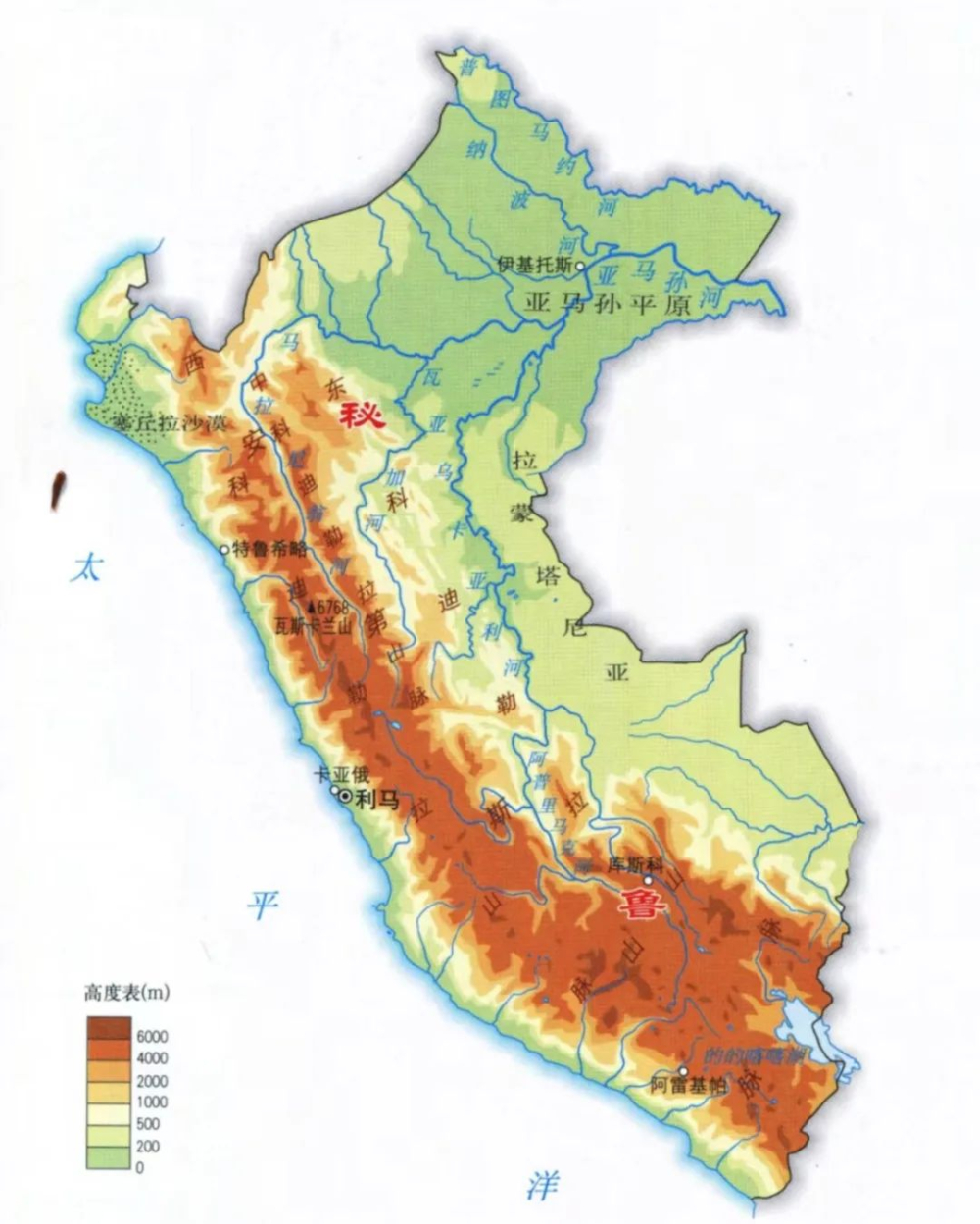
Peru is situated on the western coast of South America, bordering well-known coffee-producing countries such as Ecuador, Brazil, and Colombia. Roughly one-third of the country consists of mountainous terrain, with the Andes Mountains stretching from north to south, shaping diverse climate zones: the western coastal region features a dry desert grassland climate, the eastern part is a hot and humid tropical rainforest, while the central highlands experience abundant summer rainfall, with temperatures and humidity decreasing with altitude. These geographical conditions make Peru one of the few countries capable of nurturing multiple coffee flavor profiles simultaneously, with its beans generally exhibiting a chocolatey, nutty base paired with soft acidity and a smooth mouthfeel.
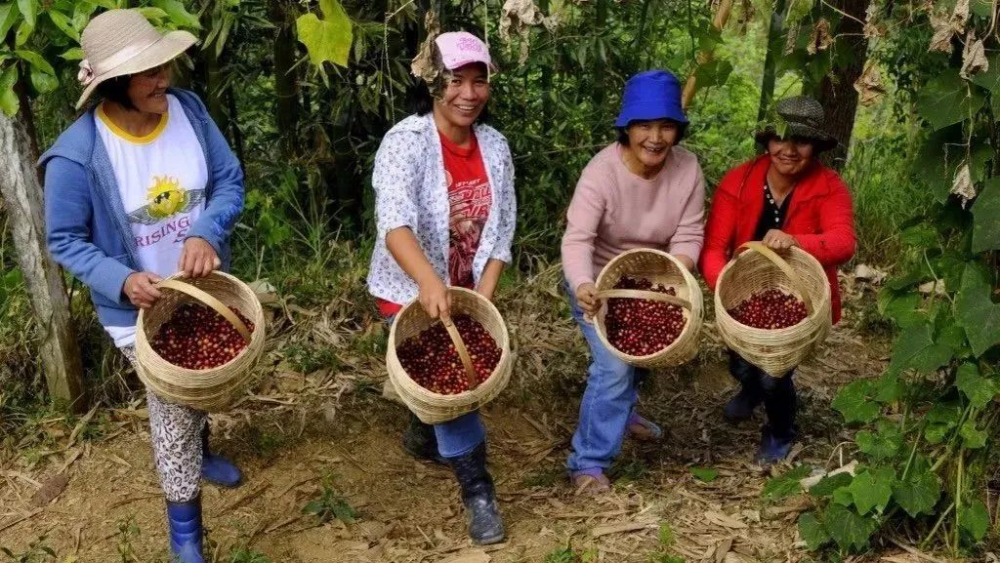
Coffee cultivation in Cajamarca dates back to the late 19th century, when European immigrants introduced coffee seedlings that gradually took root in the region. After more than a century of development, it has become one of the representative hubs of Peruvian coffee culture. Today, the main growers are small farms ranging from 1 to 10 hectares in size, with farmers often continuing generations-old sustainable farming practices. Through intercropping, they balance ecological and economic benefits. For example, planting coffee trees alongside banana trees not only provides shade to regulate the microclimate but also enriches the soil with organic matter as fallen banana leaves decompose. Avocados and corn offer additional income streams, reducing the risks associated with relying on a single crop.
In terms of processing techniques, washed processing is the mainstream in Cajamarca, where the removal of the pulp and fermentation to dissolve the mucilage help preserve a clean, bright acidity and a clear flavor profile. However, in recent years, some farmers have experimented with honey processing (retaining some mucilage) or natural processing (drying the whole fruit), exploring richer layers through varying degrees of fermentation—the former may add honey-like sweetness and a fuller body, while the latter enhances tropical fruit characteristics. These diverse processing methods have broadened the flavor spectrum of coffees from this region.
The typical flavor profile of Cajamarca coffee is anchored by caramel and cocoa, often accompanied by bright fruity notes such as berries (e.g., blueberries, blackcurrants), temperate fruits (e.g., apples, pears), and stone fruits (e.g., plums). The acidity is medium to high (more vibrant compared to other Peruvian regions), delivering a distinct fruity brightness upon entry without being overly sharp. The body is medium to slightly full, with a smooth and rounded mouthfeel, and the finish lingers with a lasting sweetness and hints of warm spices. These qualities make it highly suitable for pour over brewing. A medium-light roast is recommended, paired with a medium grind size (similar to fine sugar granules), with water temperature controlled at 90–92°C. Using a pulse pouring technique (e.g., center pour + spiral expansion) can highlight the balance between its refreshing acidity and rich sweetness.
The above content is compiled by CoffeeHunters, a coffee news website.


