








Introduction:Jagged edges in latte art patterns often trouble baristas and coffee enthusiasts alike. Many initially suspect their technique is lacking, yet even with repeated practice, the issue persists. In reality, jagged lines are usually more closely related to the freshness of the coffee beans, the texture of the milk foam, and the temperature at which the foam is steamed. This article delves into the underlying principles of these three key factors and offers practical adjustment tips to help you effortlessly pour professional-level latte art with smooth edges and clean lines.
When making latte art, many have encountered the frustration of jagged edges on their patterns. In such cases, most people instinctively adjust their pouring technique, but even after multiple attempts, the problem remains unresolved. In fact, the appearance of jagged lines is more directly tied to the condition of the coffee beans, the texture of the milk foam, and the steaming temperature. By identifying the root cause and making targeted adjustments, you can significantly improve the quality of your latte art.
I. Coffee Beans Too Fresh: The Key Factor Affecting Crema Texture
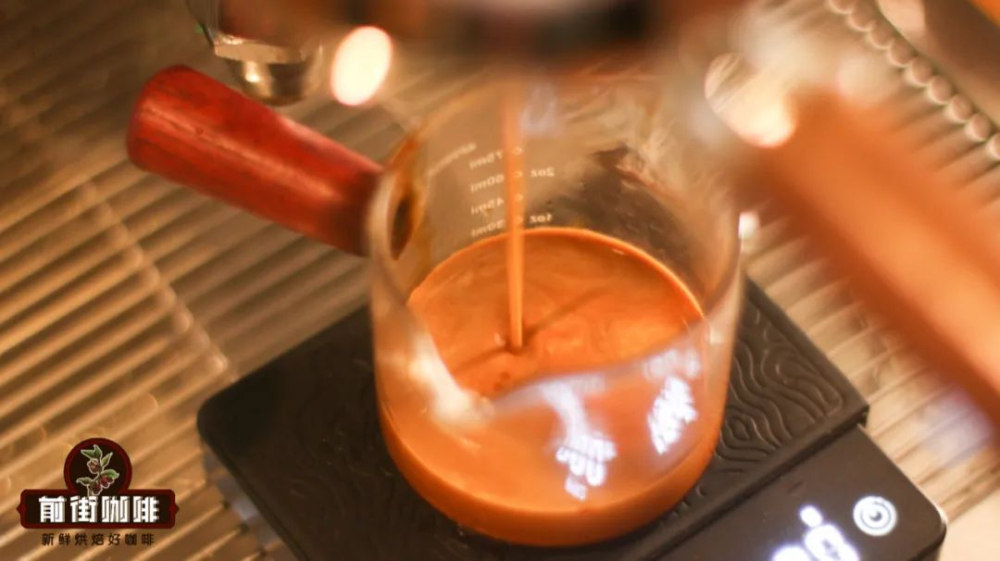
If you find that your latte art consistently features jagged edges after multiple attempts, it’s advisable to first check the roast date of your coffee beans. If the beans were roasted just one or two days prior, they still contain a large amount of carbon dioxide, which hasn’t been fully released. When using such freshly roasted beans for espresso extraction, the pressurized environment forces carbon dioxide into the crema layer on the surface of the espresso, resulting in a thicker and stickier crema than what you’d get after proper aging.
This thick crema has a coarse texture and poor fluidity, preventing the milk foam from spreading and integrating smoothly. During pouring, the edges of the pattern tend to break easily, and it may even be difficult to form complete shapes—like a heart. The solution is actually quite simple: let the coffee beans rest for a few days to allow sufficient aging time, enabling the carbon dioxide to dissipate naturally. As a result, the crema will gradually become finer and smoother, which not only benefits latte art but also helps fully express the coffee’s flavor.
< p>
II. Milk Foam Steamed Too Thin: Insufficient Support Leading to Broken Patterns
Another common cause is steaming the milk foam too thin. When the foam layer is too thin, it lacks the necessary support to maintain a stable pattern structure—especially when drawing details or edges—which can easily lead to broken lines and a jagged appearance. This issue is particularly noticeable when making drinks that require a thinner foam layer, such as Flat White. Many people struggle to accurately gauge what “thin” means when steaming milk, and although the foam may appear sufficiently thin, it often ends up rough and uneven, causing loss of control during pouring.
To improve this, you can slightly extend the aeration phase—the initial stage when you hear the faint hissing sound as air is introduced into the milk. This phase is crucial for incorporating air into the milk. If the foam still isn’t fine enough, increase the texturing (or rolling) phase, which is the step after aeration where the milk is spun to mix the foam. Adjusting these two phases can effectively enhance the quality of the milk foam and reduce the occurrence of jagged lines. For beginners, there’s no need to worry too much about steaming the foam too thick; thicker foam can easily be skimmed to remove excess, and you can refine your control over thickness as your skills improve.
III. Milk Foam Temperature Too High: The Hidden Culprit Degrading Bubble Structure
When the milk foam is steamed beyond70°C, the originally fine bubble structure becomes loose and coarse due to excessive heat. This not only affects the smoothness of the latte art but is also a common cause of jagged lines. Overheated milk foam is often accompanied by a noticeable change: the sound from the steaming wand shifts from a low, steady “hissing” to a sharp, piercing tone—an important signal to watch for.
Besides causing uneven edges, high-temperature foam also accelerates defoaming, reduces sweetness, and negatively impacts overall mouthfeel. Therefore, it’s recommended to keep the steaming temperature within the ideal range of55~65°C. This range not only fully brings out the natural sweetness of the milk but also helps maintain bubble stability, resulting in smoother and more fluid latte art patterns. In practice, it’s advisable to chill the milk in the fridge beforehand to lower its starting temperature. This gives you more leeway during the steaming process to control the heat, avoiding a host of issues caused by overheating—including overly thin foam, temperature runaway, and poor milk integration.
In summary, jagged lines in latte art aren’t always due to poor technique. By understanding key elements such as the aging period of coffee beans, the thickness of the milk foam, and the steaming temperature—and making corresponding adjustments—you too can consistently produce professional-grade latte art with beautiful lines and smooth edges, whether at home or in a café setting.
<

The above content is compiled by CoffeeHunters, a coffee news website.


