







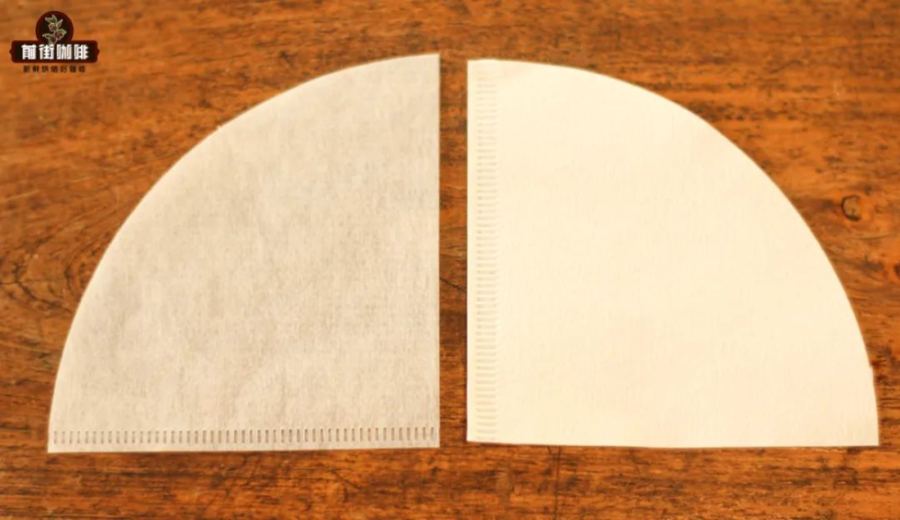
Introduction:Pour over coffee commonly uses wood pulp filter paper, but you may not know that non-woven fabric filter paper, though niche, is often found in drip bags. How does this material differ from traditional filter paper? This article delves into the material properties of non-woven filter paper, real-world flow rate tests, and its impact on extraction flavor and color, helping you understand the pros and cons and best-use scenarios of this special filter medium.
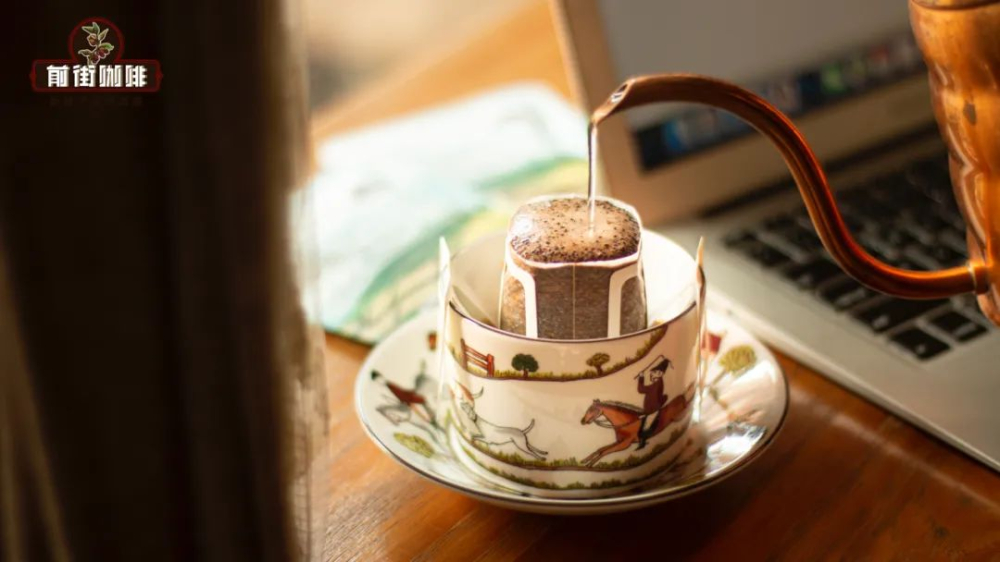
In the world of pour over coffee, wood pulp filter paper is undoubtedly the mainstream choice, but there’s another type of filter material—though not commonly used for single-cup manual brewing—that is widely employed in drip bags: non-woven fabric filter paper. Made from composite fibers through special processing, this material has a larger pore structure compared to traditional filter paper. As a result, it filters out fine coffee grounds while retaining some coffee oils, delivering a richer and smoother mouthfeel.
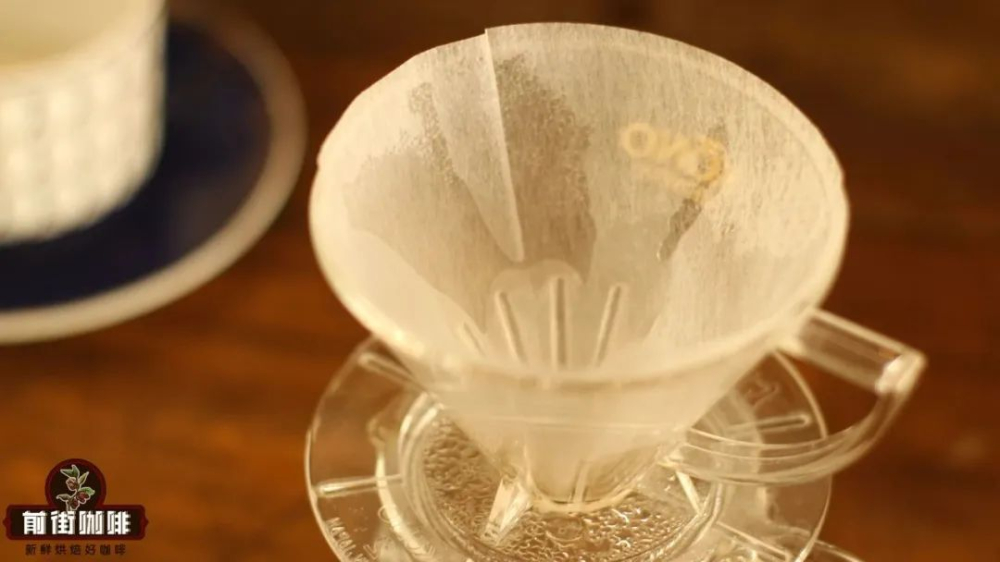
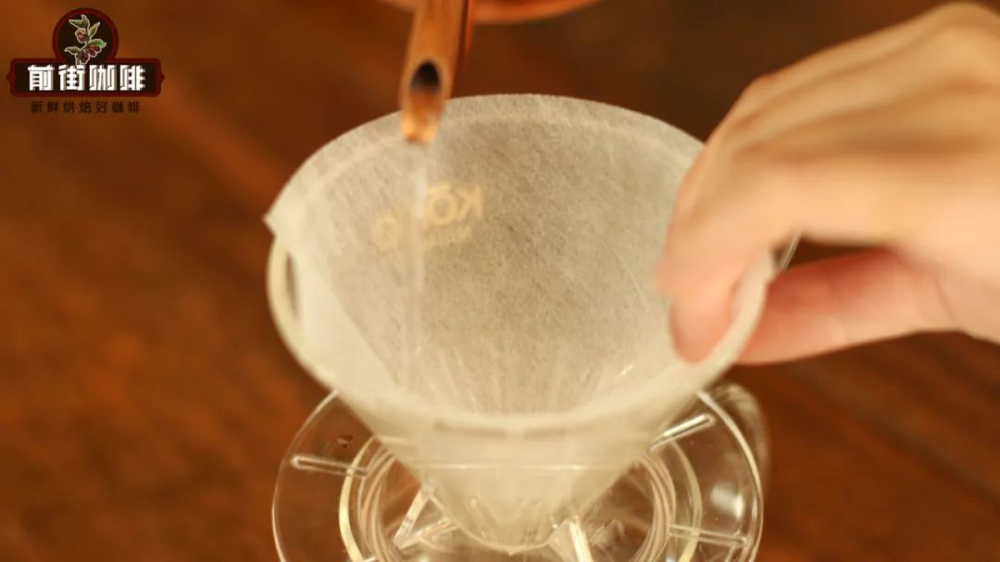
However, non-woven fabric filter paper also comes with challenges. Upon contact with water, its surface initially exhibits a “waxed” hydrophobic state, barely absorbing any water at first. This prevents it from adhering tightly to the filter cone right away, affecting water distribution and extraction uniformity. According to our tests, it takes approximately 200ml of 95°C hot water rinsed multiple timesto allow the filter paper to fully expand and achieve proper adhesion. This also means a relatively larger amount of “pre-wet waste water” is produced.
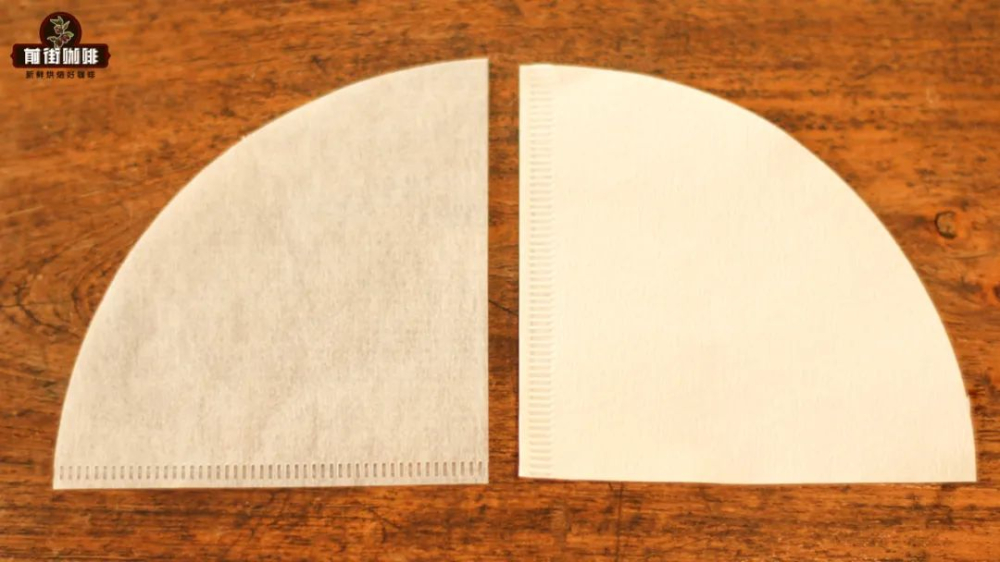
Interestingly, despite having larger pores than wood pulp filter paper, non-woven fabric filter paper performs similarly in terms of flow rate. In experiments using room temperature water 200ml to test flow speed, wood pulp filter paper took about 35 seconds, while non-woven fabric filter paper took 36 seconds—almost identical. However, due to its material characteristics, the final brewed coffee liquid often appears more cloudy in color, with a flavor profile that tends to be richer. In some cases, it even gives off a texture similar to that of a French press or cloth-filtered brew.
To further understand how non-woven fabric filter paper performs in actual extraction, we conducted a full pour over test using Brazilian · Queen Estate coffee beans. We used 15g of coffee grounds, ground to a setting of 10.5 on the Ek43 grinder (approximately 60% passing through a #20 sieve), with a 1:15 coffee-to-water ratio (total water volume 225ml), and a water temperature set at 88°C. Using a three-pour technique, the filter cone was a Kono.
Before starting the actual pours, we first thoroughly rinsed the filter paper with hot water to ensure it adhered tightly to the inner wall of the filter cone—an especially important step for non-woven fabric filter paper. Then we added the coffee grounds, followed by 30ml of hot water (twice the coffee weight) for a 30-second bloom . Next, we slowly poured 120ml of hot water, then slowly pour in a large circular motion. in a wide circular motion, and when dripping neared completion at the bottom, we added the remaining water 75mlin a small center circle until dripping finished.
After brewing, a thin layer of glossy oil could be clearly observed floating on the coffee surface—this retained coffee oil is one of the key factors influencing flavor when using non-woven fabric filter paper. The overall coffee color appeared more murky compared to results from wood pulp filter paper. Aroma-wise, it carried a subtle nutty note, and thanks to the larger pore structure, more coffee compounds were released, resulting in a rounder and more layered mouthfeel—similar to, though not identical with, the flavor profile achieved with a cloth filter.
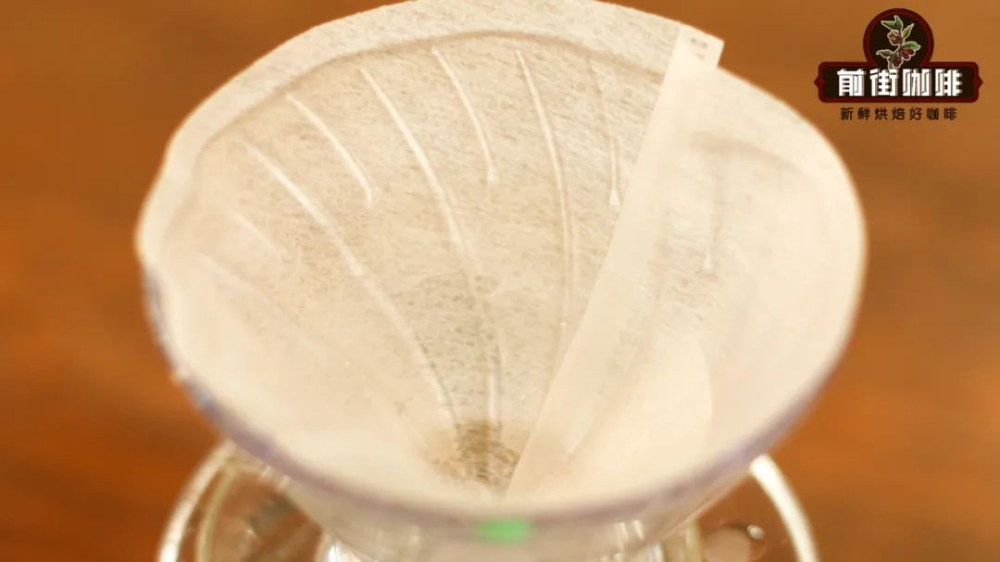
Although non-woven fabric filter paper offers a unique brewing experience, it is indeed more cumbersome for everyday use. For beginners or those who prefer simpler operations, traditional V60 filter paper remains the more practical choice. If you still want to try non-woven fabric filter paper, here are two tips to keep in mind: First, due to its material properties, folding and shaping it is not as smooth as with wood pulp filter paper—it requires more patience and skill to form properly. Second, as mentioned earlier, you must use hot water at a high temperature—for example, gradually increasing from 45°C, 65°C, and 75°C to 95°C—to effectively eliminate its hydrophobic nature and ensure there are no gaps between the filter paper and the filter cone during extraction, thus stabilizing the water flow.
In summary, although non-woven fabric filter paper is niche, it offers a different spectrum of extraction flavors in the diverse world of pour over brewing. If you have a preference for coffee oils and a fuller body, why not try this special filter paper for yourself—after mastering the basics—with the correct technique to explore its unique potential.
The above content is compiled by CoffeeHunters, a coffee news website.


