







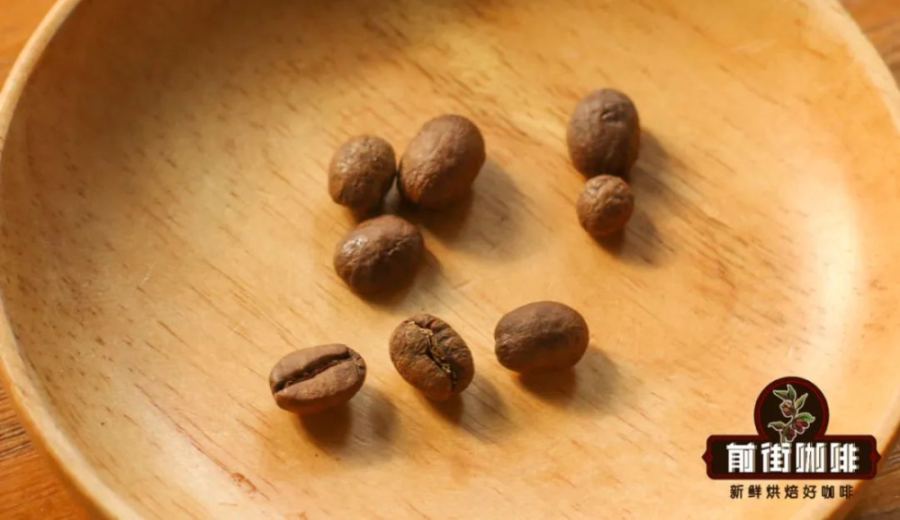
Introduction:Have you heard that coffee beans are divided into "male beans" and "female beans"? In fact, this is a common misconception. This article will delve into the true differences between peaberry (Peaberry) and flat beans, from the causes of fruit development, external characteristics, grading systems to market positioning, to help you understand why peaberries are rarer and more expensive, but not necessarily superior in flavor. By the end of this read, you’ll be able to choose the coffee beans that suit you more accurately.
In the coffee enthusiast community, it’s common to hear people talk about the division between "male beans" and "female beans" in coffee, with some even believing that oval-shaped beans are "male beans" while flat ones are "female beans," further asserting that male beans have better flavor and are more valuable. But in reality, coffee beans do not have a gender—this notion is simply a product of marketing.
So, what exactly is the difference between peaberries and flat beans? Why are peaberries rarer and more expensive? We’ll start from the principles of fruit formation and gradually unravel the truth behind these two types of coffee beans.
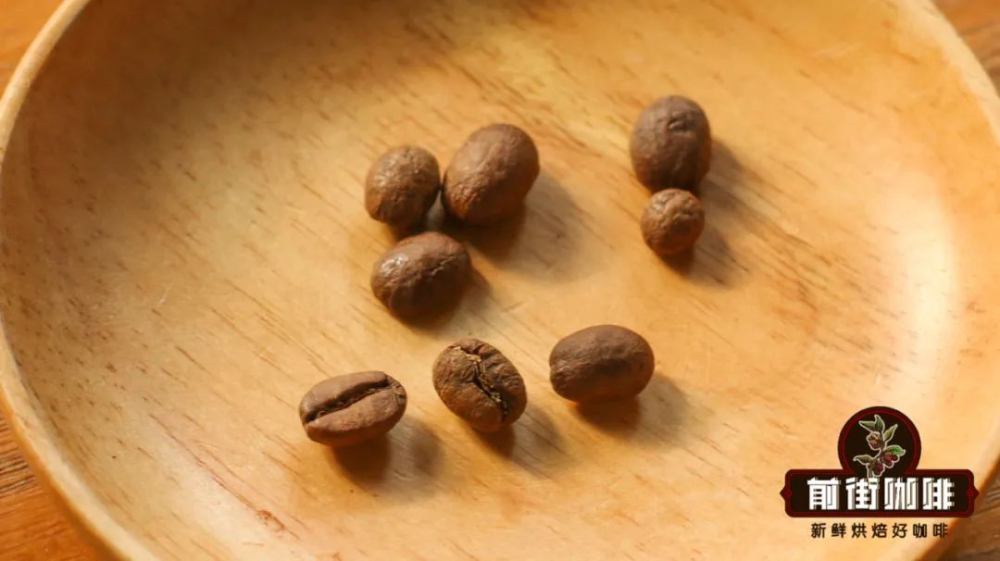
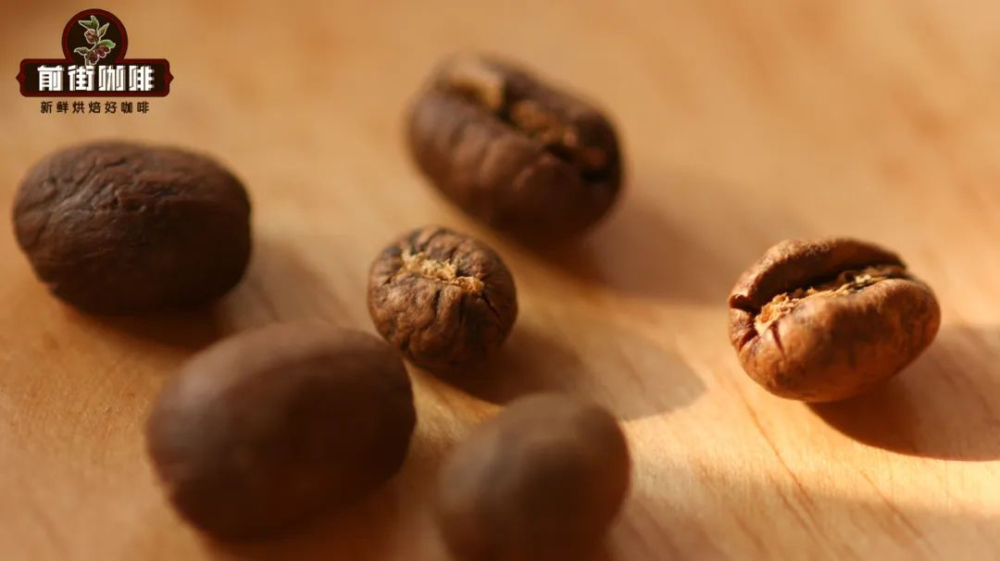
First, let’s look at the appearance differences between these two types of beans. Typically, the coffee beans we see in the market are twin beans, with each coffee cherry containing two flat green beans that are closely attached. However, sometimes, only one bean forms inside the fruit—this is the peaberry, also known as "Peaberry."
This phenomenon mostly occurs when, during the development process, one of the ovules fails to be successfully pollinated, allowing the other ovule to receive more nutrients and growing space, eventually forming a round, oval-shaped bean without a flat side. The more common flat beans, on the other hand, develop from two successfully pollinated ovules together.
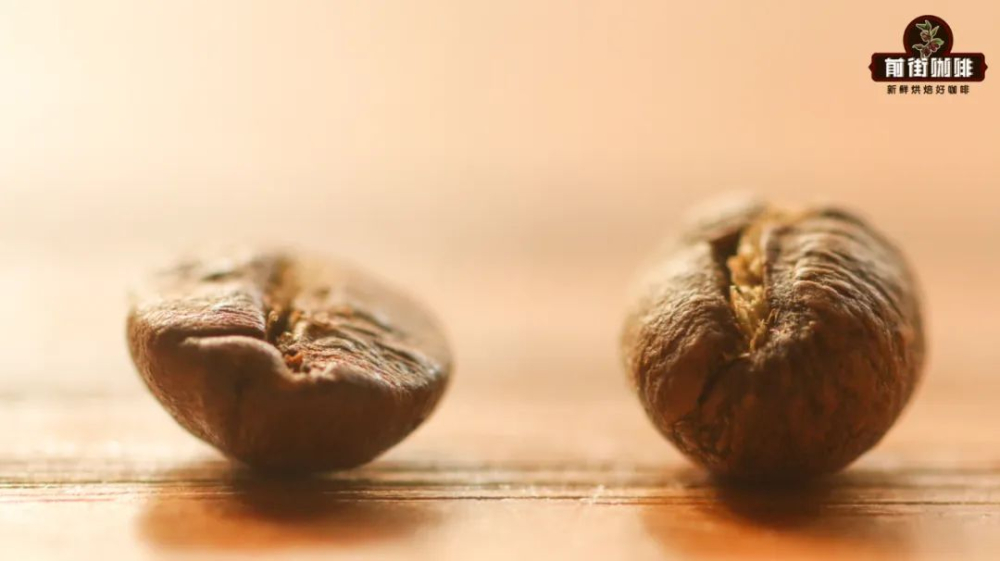
Normally, a single coffee cherry grows two beans that are attached to each other and are flat in shape. But under special circumstances, influenced by genetics or environmental factors, only a single bean may form. This makes peaberries generally smaller in size than flat beans. For example, if flat beans are sized between 16–18 mesh (screen size), peaberries are usually around 14–15 mesh.
Before trading and roasting, coffee beans are graded based on their size, defect rate, and density, and the grading results directly affect their market price. Different producing regions adopt different grading standards, with some countries using bean mesh size as the main criterion—generally, the larger the bean, the higher the price.
However, peaberries are an exception. Take Kenya as an example: in its coffee grading system, beans sized 16–17 mesh are classified as AA grade, which is a high-tier and premium level; 15–16 mesh beans are AB grade, slightly lower in price; and 14–15 mesh beans are C grade, even lower in price. Peaberries typically fall within the 14–15 mesh range and would normally be categorized as C grade, but due to their rarity and unique shape, peaberries often sell at prices comparable to or even higher than AA grade beans.
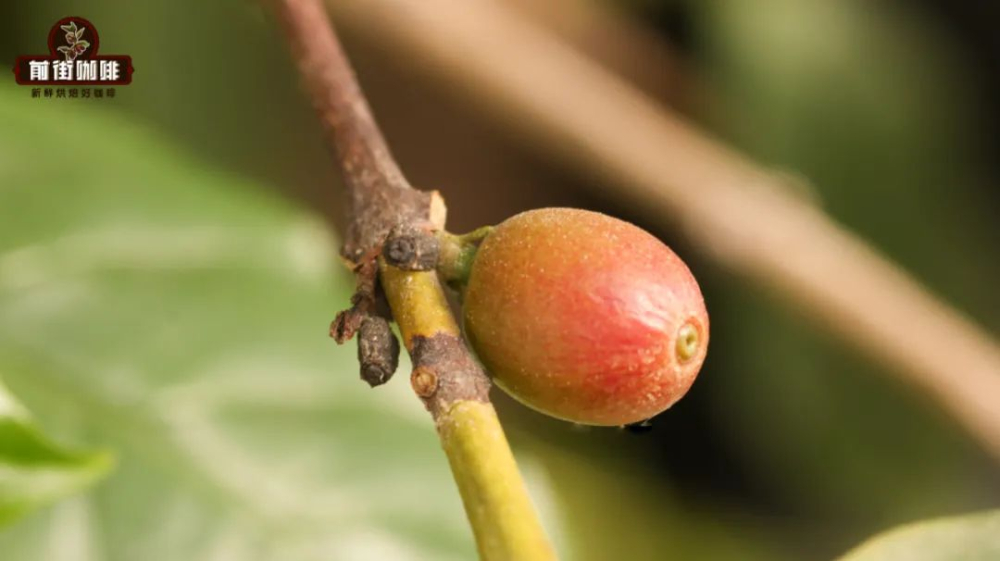
This market phenomenon leads many consumers to mistakenly believe that peaberries have a richer and higher-quality flavor. But in reality, if peaberries and flat beans come from the same origin, same variety, and are produced under identical cultivation and processing conditions, there is usually no significant difference in their flavor performance.
In other words, the higher price of peaberries stems more from their rarity and market hype, rather than any absolute advantage in flavor. Most producing regions do not specifically sort out peaberries for individual sale unless it is to meet specific market demands or as part of a marketing strategy for the specialty coffee market.
Therefore, when you’re selecting coffee beans, whether they are peaberries or flat beans, it’s recommended that you pay more attention to their origin, processing method, roast level, and flavor profile, rather than simply judging based on bean shape. By gaining a deeper understanding of these factors that truly influence flavor, you’ll be better equipped to choose coffee beans that match your taste preferences.
The above content is compiled by CoffeeHunters, a coffee news website.


