







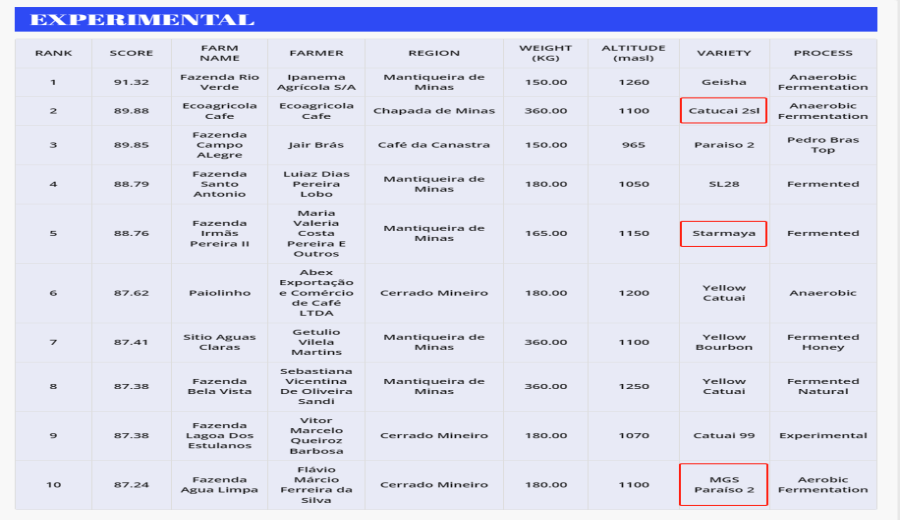
Introduction:In this year’s Brazil COE competition, multiple award-winning varieties from the experimental processing group made a striking appearance. Not only were their cultivars rare, but they also demonstrated exceptional diversity and potential. This article spotlights three particularly representative award-winning varieties—MGS Paraíso 2, Catucaí 2SL, and Starmaya—providing an in-depth analysis of their breeding background, agronomic performance, and flavor characteristics. It aims to help coffee enthusiasts understand how these cutting-edge varieties stood out in the competition, as well as their future development potential in the market.
In this year’s Brazil COE competition, the awarded varieties from the experimental processing group showcased a level of diversity that is distinctly different from other producing countries. Many of these varieties not only had never appeared in international competitions before but also showed almost no repetition. This time, we will focus on three standout varieties: MGS Paraíso 2, Catucaí Amarelo 2SL, and Starmaya. We will analyze them one by one—from their breeding origins and cultivation traits to their flavor potential—so you can gain an in-depth understanding of these coffee origins that may reshape the market landscape in the future.
MGS Paraíso 2 MGS Paraíso 2 is a variety successfully bred in 2012 by Epamig, the Agricultural Research Company of Minas Gerais, Brazil. Its parentage includes Catuaí Amarelo IAC 30 and Híbrido de Timor UFV 445-46. One of the most notable features of this variety is itsyellow fruit, which not only makes it easier to identify during harvest but also helps with preliminary quality screening. In addition, MGS Paraíso 2 has advantages such as a compact plant size, vigorous vitality, strong resistance to leaf rust, and fast fruit ripening. Empirical data shows that it adapts well to various cultivation environments—whether rain-fed or irrigated systems, traditional or organic farming, flatland or sloped planting—and demonstrates stable production performance across the board.
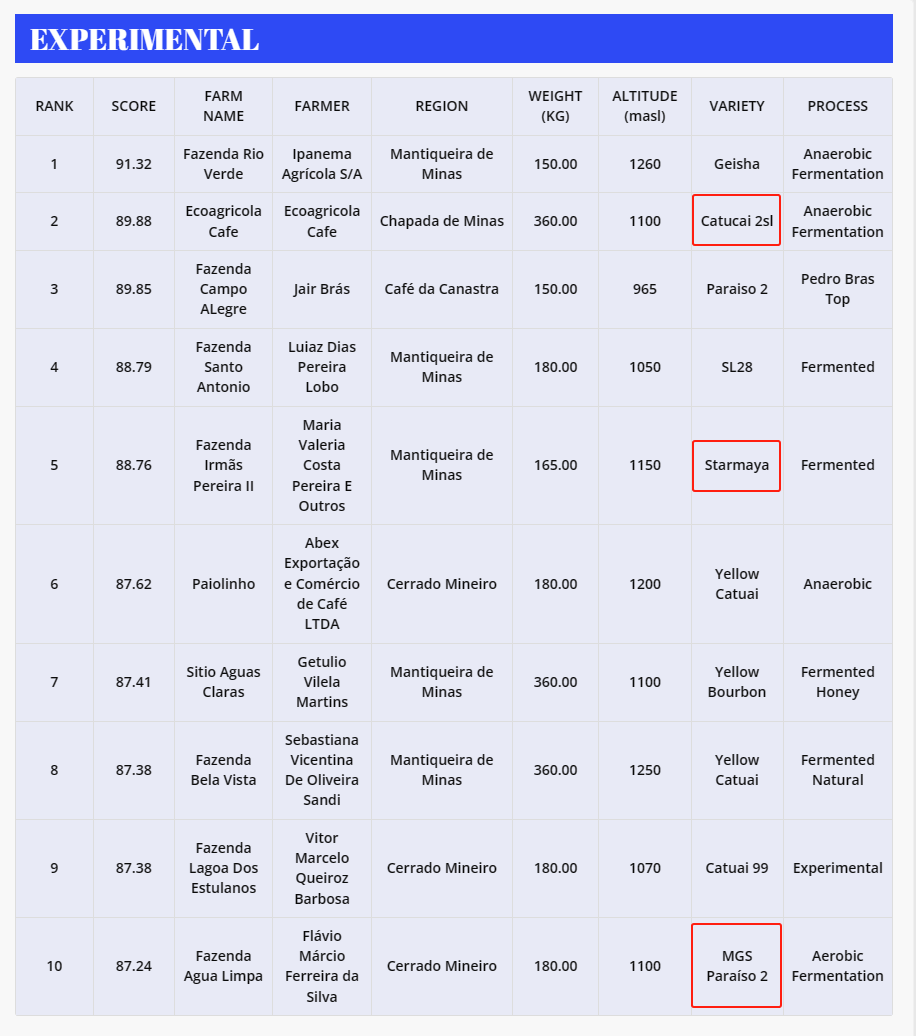
Another eye-catching variety is Catucaí Amarelo 2SL, whose fruit also exhibits a vivid yellow color. This not only aids in the harvesting process but also reduces certain disease risks. According to research data, this variety shows relatively lower susceptibility to common fungal diseases such as Phomai in field conditions, which is a significant advantage for farms aiming for stable yields. Although the original text does not detail its parental lineage, it is confirmed that the Catucaí series of varieties have long been regarded in Brazil as representatives with good disease resistance and adaptability, and Amarelo 2SL further strengthens certain key traits on this basis.
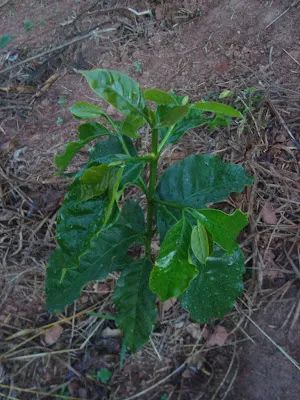
The most noteworthy, however, is Starmaya, a groundbreaking F1 hybrid variety. As the world’s first F1 hybrid successfully reproduced via seeds—rather than expensive biotechnologies such as tissue culture or cloning—Starmaya has significantly reduced the production costs and technical barriers of high-end hybrid varieties. In the past, F1 varieties often relied on cloning or manual pollination, which involved complicated procedures, limited yield capacity, and high prices. Starmaya, by reproducing through seeds, not only retains the high-yield and high-flavor potential of F1 varieties but also makes large-scale planting possible.
Starmaya is an F1 generation offspring resulting from the cross between Marsellesa and a male-sterile local variety originating from Ethiopia or Sudan. Its characteristics includehigh yield and high acidity performance, making it suitable for cultivation at medium altitudes. Some studies indicate that its yield could be 20% to 40% higher than that of typical commercial Arabica varieties, which is undoubtedly a major incentive for producers. Additionally, its bright and layered acidity potential has also drawn considerable attention in the specialty coffee market.
Overall, these three award-winning varieties each have their unique breeding backgrounds and adaptive traits. Whether in terms of disease resistance, yield potential, or flavor performance, they all demonstrate high research value and market foresight. For enthusiasts who are attentive to coffee variety diversity and future trends, these varieties are not only highlights in the competition but may also be new starting points for exploring future coffee flavors.
The above content is compiled by CoffeeHunters, a coffee news website.


