







Introduction:When monks use pour over brewers to make coffee at coffee expos, the scene not only sparks widespread discussion but also reveals the rise of temple coffee culture. From the viral popularity of Hangzhou’s Lingyin Temple to the emergence of coffee counters in temples across the country, how are these Zen-inspired coffee spaces attracting young people? This article takes you deep into the unique charm and market phenomenon of temple coffee.
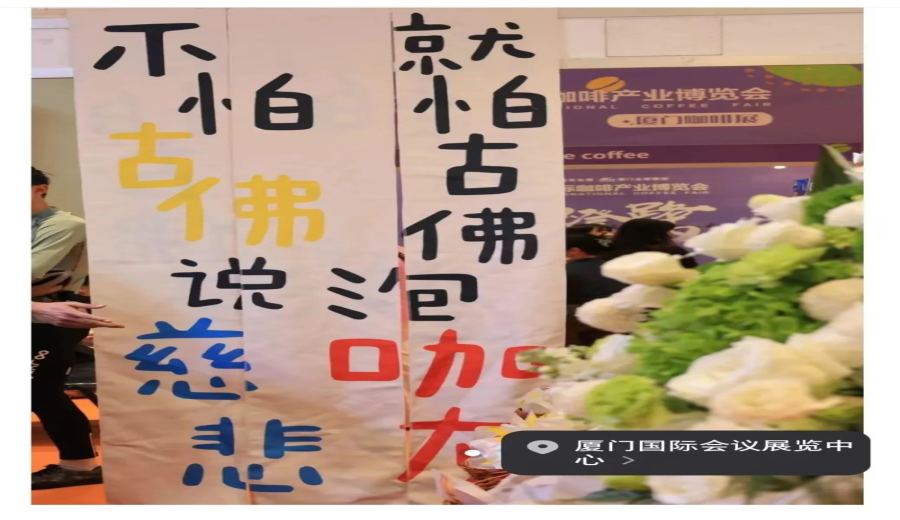
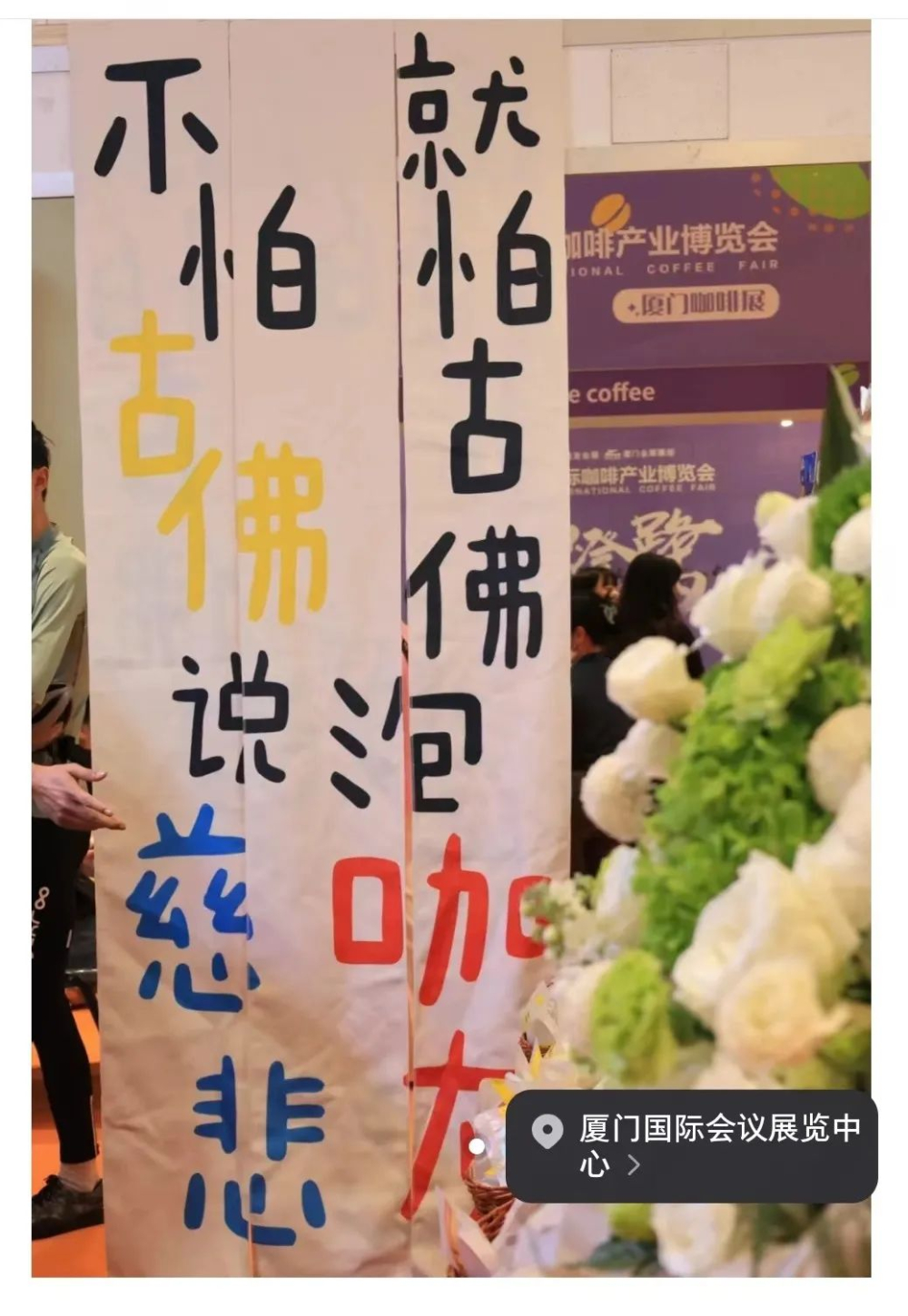
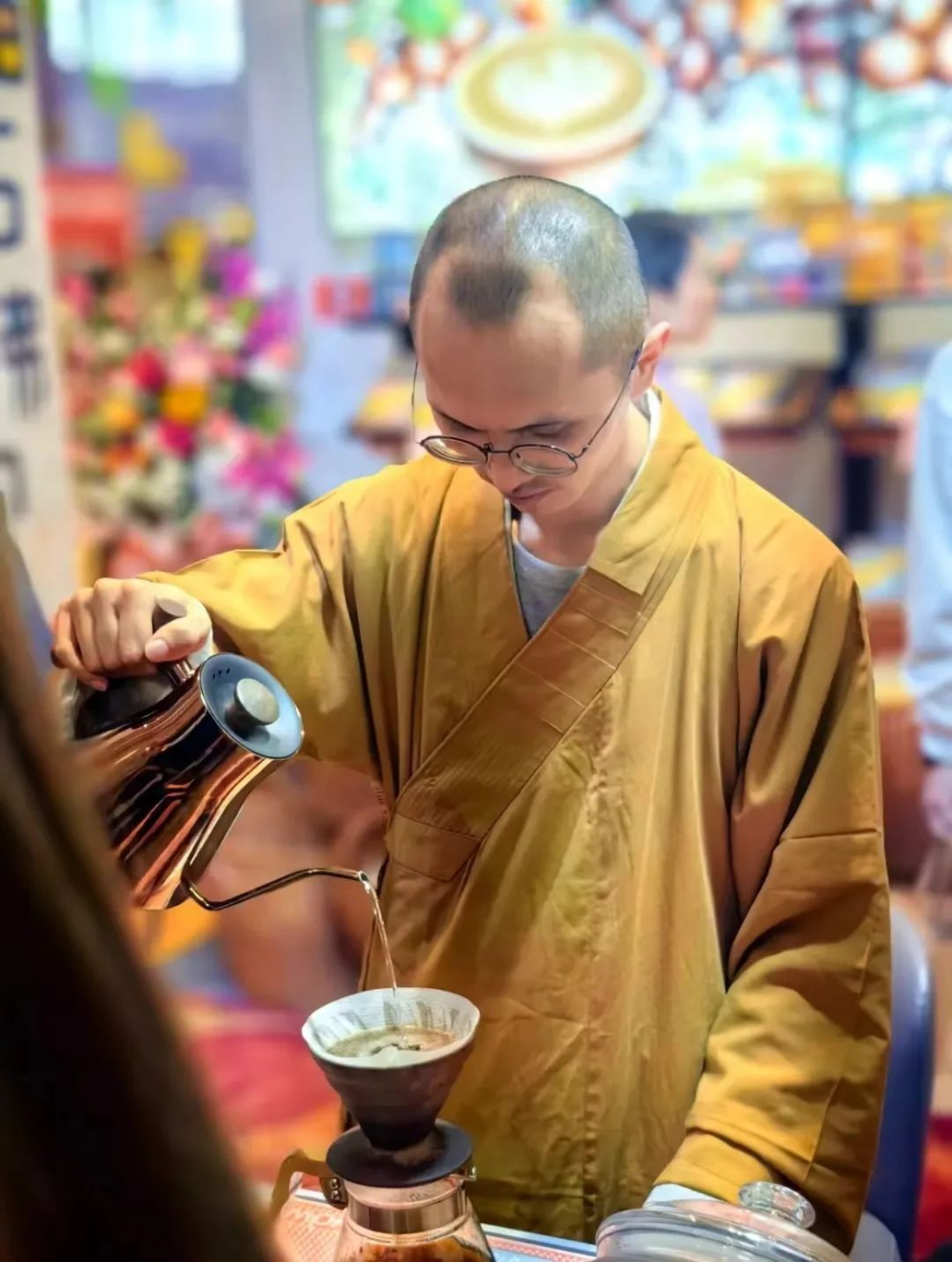
At the Xiamen International Coffee Industry Expo, a "monk" dressed in a long robe calmly brewed pour over coffee using a Fellow gold kettle — a scene that quickly became a hot topic on social media. The performer, from the Bitter Coffee booth, paired his demonstration with the slogan “Fear not that the ancient Buddha speaks of compassion, but that the ancient Buddha brews coffee,” perfectly blending tradition with modernity.
Although the true identity of this “monk” remains unverified, netizens clearly enjoyed participating in this playful interaction. The comments section was filled with humorous remarks such as “Zen and coffee are one — all over-extracted” and “The sea of suffering is boundless, but clear soup is medicine. Coffee and Zen are one — the mind is the other shore.” These creative comments showcase people’s appreciation for this cross-cultural phenomenon.
This trend is no accident. As early as the beginning of this year, Hangzhou’s Lingyin Temple went viral due to an overwhelming number of visitors, and “temple coffee” subsequently became a trending term online. These Zen-inspired beverages, such as “Compassion Cup,” “See the Buddha,” and “Double Happiness Virtue,” not only have unique names, but their ordering process is also full of Zen flair — selecting beans is called “inviting Buddha beans,” and pricing is “at your will and delight.”
The success of temple coffee isn’t just about gimmicks. In the fast-paced modern life, these sacred Buddhist spaces offer not just a cup of coffee, but also a unique experiential space. Data shows that baristas at some temple coffee shops can only take four days off per month, underscoring their popularity.
Notably, these coffee shops often don’t emphasize high-end equipment or complex techniques. A standard pour over setup, combined with appropriate extraction parameters — such as water temperature controlled at 90-93°C, a coffee-to-water ratio of 1:15-1:16, and an extraction time of 2-3 minutes — can produce popular coffee. The key lies in the creation of the atmosphere and the integration of culture.
As the trend grows, more lesser-known temples are beginning to experiment with setting up coffee counters within their grounds, some even combining them with cultural merchandise, vegetarian food, and meditation experiences. Although this model may be a one-time novelty, it relies on the foundation of the tourist site and its unique cultural appeal, and has indeed drawn many visitors specifically for photo opportunities.
The rise of temple coffee reflects contemporary young people’s pursuit of a blend between traditional culture and modern lifestyles. Whether it’s the meticulous craft of pour over coffee or the serene ambiance of Zen spaces, both offer new directions for the development of coffee culture.
The above content is compiled by CoffeeHunters, a coffee news website.


