








Introduction:Indigenous farmers in the Long Banga region of northeastern Sarawak have in recent years actively shifted to cultivating Liberica coffee, hoping to access international markets with high-quality beans while leveraging the area’s rich natural and cultural resources to promote eco-tourism development. This article delves into the characteristics of the Liberica variety, the background of this transition, and how a dual strategy of agriculture and tourism can revitalize the local economy and support sustainable environments.
Located in northeastern Sarawak, Malaysia, the Long Banga region has seen an increasing number of indigenous farmers turn to coffee cultivation in recent years, particularly choosing to grow the uniquely flavored Liberica variety. They aim to bring locally produced coffee beans to the global market and inject new vitality into local eco-tourism through the management of coffee estates.
For a long time, Sarawak’s economy has relied heavily on resource-based industries such as petroleum, natural gas, rubber, and hardwood. However, excessive exploitation and logging have placed significant pressure on the local ecology. In search of sustainable transformation, local governments and residents have gradually turned their focus to the coffee industry and tourism development, hoping to mitigate environmental impacts and create employment and income opportunities through diversified economic models.

In the past, Long Banga mainly attracted tourists through niche adventure tourism activities such as jungle trekking and boat expeditions. Nowadays, local governments and farmers are collaborating to integrate coffee cultivation with homestay operations, aiming to attract more visitors interested in agricultural experiences and eco-tourism.
Global tourism is one of Malaysia’s key economic pillars, second only to export trade, with major attractions concentrated in western Malaysia—Kuala Lumpur, Penang, Malacca, and Langkawi. However, as Sarawak is located in East Malaysia, separated from West Malaysia by the South China Sea, its overall tourism infrastructure and visibility are relatively underdeveloped. Therefore, developing tourism models with stronger local characteristics has become crucial.
Sarawak’s traditional economic structure has been dominated by petroleum, natural gas, rubber, and hardwood, which although driving rapid economic growth, have also led to environmental issues such as deforestation and land degradation. To balance development and conservation, local governments in recent years have actively sought emerging industries, among which coffee and eco-tourism are seen as the most promising dual-track strategies.
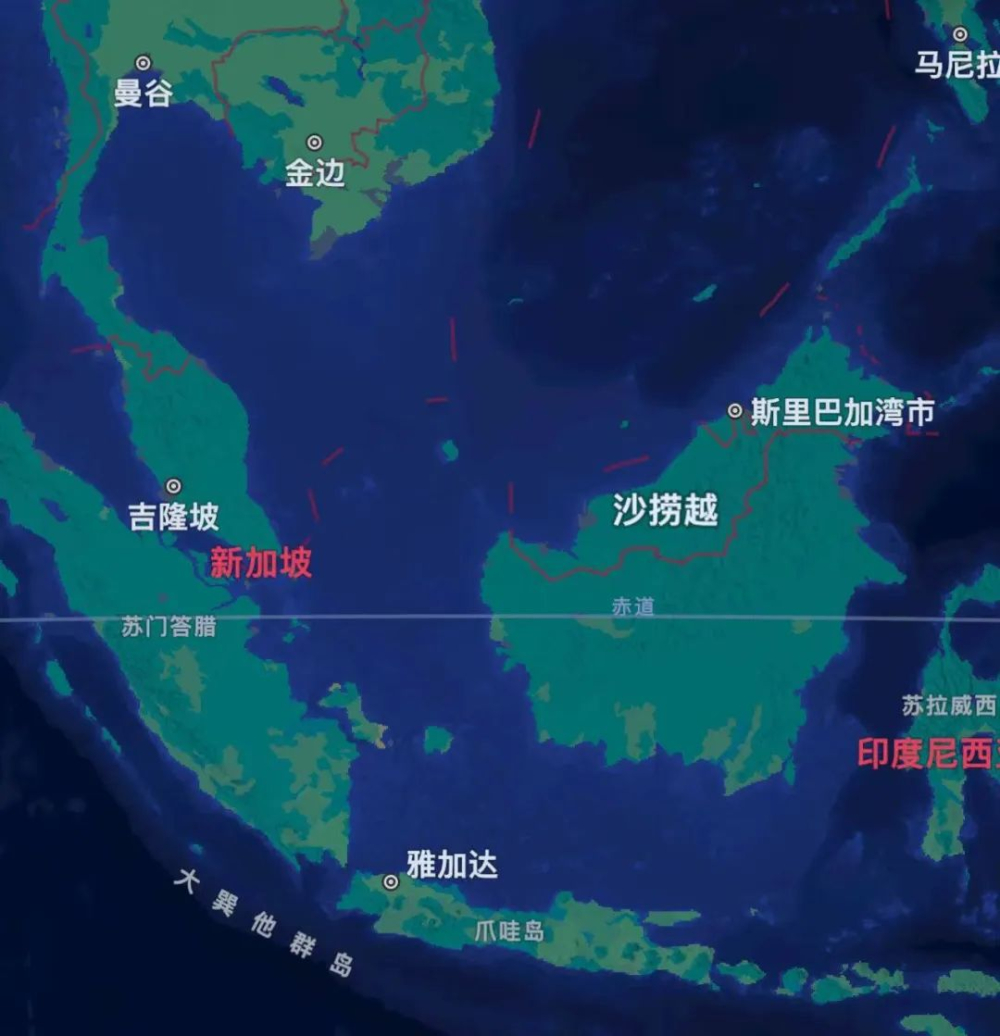
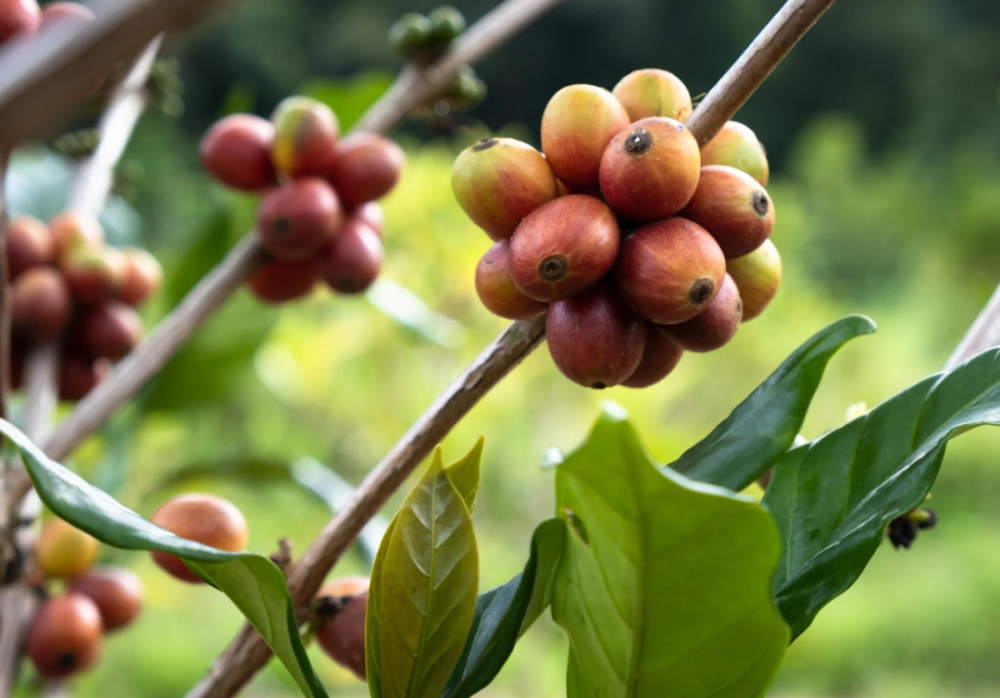
Among the many coffee varieties, Sarawak has specifically chosen to promote the cultivation of Liberica, primarily because of its adaptability to low-altitude environments. Liberica can thrive in tropical lowlands below 800 meters in altitude. Compared to the more environmentally demanding Arabica, Liberica plants are hardier and exhibit better resistance to common coffee leaf rust and certain insect pests.
Additionally, Liberica coffee cherries are generally larger than those of Arabica and mature more quickly. For local farmers, this not only lowers management barriers but also shortens the cycle from planting to harvest. In terms of processing and transportation, Liberica beans are also relatively convenient and offer good storability, aiding in stable supply and market expansion.
In fact, coffee was introduced to Sarawak as early as the 19th century, but at the time, the industry’s focus was on pepper and rubber. Coupled with a lack of proper cultivation management and market promotion, the coffee industry remained stagnant for a long time. It wasn’t until 2019, following re-planning by local and government entities, that coffee cultivation regained attention and gradually developed into a sizable trend.
Currently, many Long Banga farmers, in addition to growing Liberica coffee, also run homestays, combining the area’s natural landscapes and cultural heritage to offer visitors a richer travel experience. The region boasts numerous well-preserved ancient buildings, clear rivers, and pristine jungles. These resources, when paired with coffee estates, are expected to attract more domestic and international tourists, fostering a local economic cycle.
To further enhance the international competitiveness of Liberica coffee, several projects are currently dedicated to variety improvement, roasting technique optimization, and marketing strategy development. The goal is to enable these uniquely flavored coffee beans to step onto the global stage and stand shoulder-to-shoulder with coffees from other renowned regions.
In summary, the coffee cultivation transformation in the Long Banga region of Sarawak is not only an innovation in agricultural economics but also a sustainable practice that combines ecological conservation and tourism development. In the future, as global demand for diverse coffee flavors grows, Liberica has the potential to become Sarawak’s new calling card to the world, while also bringing more stable income and improved quality of life for local residents.
The above content is compiled by CoffeeHunters, a coffee news website.


