







Introduction:Many coffee enthusiasts, when adjusting water temperature, grind size, and brew ratio, often overlook a seemingly simple yet crucial detail—the horizontal alignment of their brewing equipment. Once the equipment is tilted, it not only alters the flow path of the water but may also trigger channeling, affecting the overall extraction uniformity and flavor profile. This article will delve into the practical impact of the horizontal level of espresso machines, tampers, and pour over drippers on extraction, and provide easy-to-understand calibration tips to help you refine every brew.
When pursuing a cup of coffee with balanced flavors and smooth mouthfeel, many focus on parameters such as water temperature, grind coarseness, and brew ratio, yet frequently neglect a basic yet extremely important factor: whether the brewing equipment remains level. In fact, even a slight tilt can significantly affect water distribution, causing some coffee grounds to be over-extracted while others are under-extracted, thereby compromising the overall balance and complexity of the flavor.
According to relevant studies in coffee science, when equipment is not level, hot water tends to flow toward the lower side due to gravity, resulting in certain areas of the coffee bed receiving excessive water flow—creating what is known as “channeling.” This not only may lead to over-extraction but also causes uneven extraction, ultimately affecting the final taste of the coffee.
Below, we will analyze the impact of horizontal alignment on coffee extraction from three commonly overlooked aspects: the body of the espresso machine, the tamping process, and the stability of the pour over dripper. We’ll also offer specific calibration suggestions to help you improve overall brew quality starting from these foundational details.
1. Espresso Machine Levelness: Have You Noticed If Your Machine Is Stable?
Many people assume that simply placing the espresso machine on a table that “looks level” is sufficient. However, over time—especially with wooden or hollow-surfaced tables—the surface may gradually develop minor dents or tilts, causing the machine itself to become misaligned.
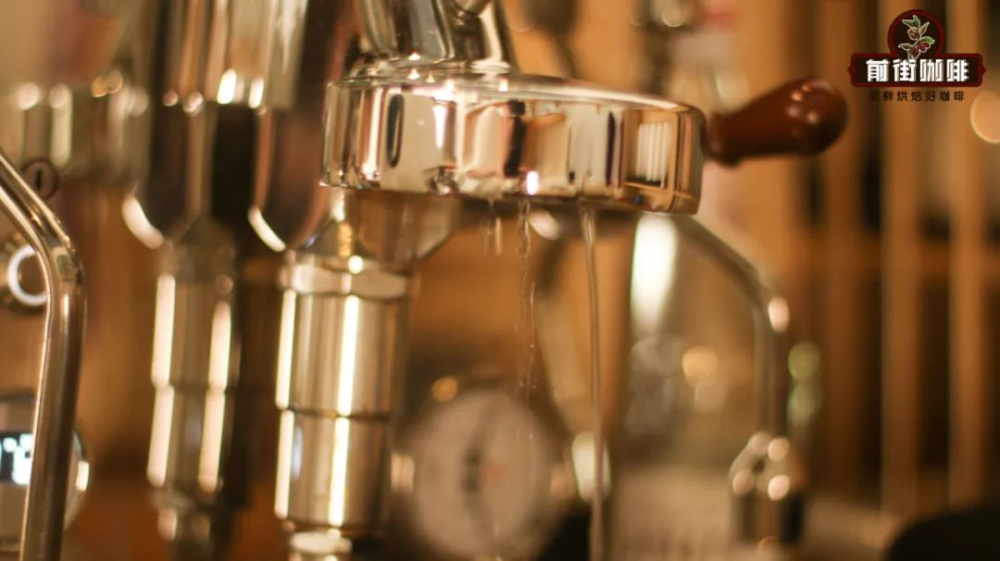
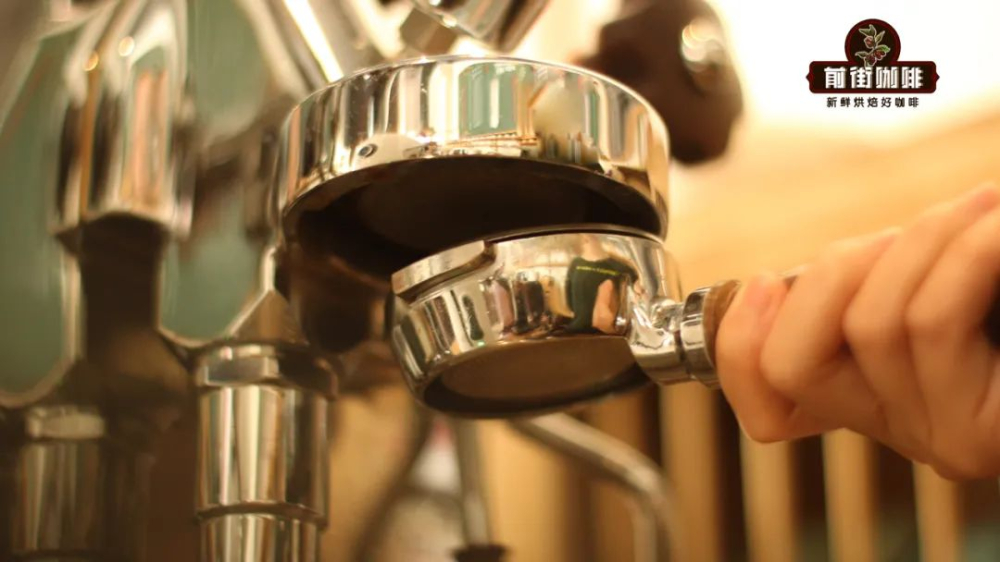
Although this misalignment is hard to detect, it directly affects the angle at which water exits the group head. When hot water flows out of the group head, an unlevel machine causes the water to naturally flow toward the lower side due to inertia, rather than penetrating the coffee puck evenly. This results in the lower portion of the coffee puck being the first to come into contact with high-temperature water, prematurely releasing flavor compounds and causing uneven extraction. In just a few seconds, noticeable channels can form, disrupting the overall extraction balance.
It is recommended that you regularly use a spirit level or the built-in leveling tool on your smartphone to check whether the espresso machine is perfectly level. If any slight tilt is detected, adjust the machine’s feet screws or choose a more stable surface to ensure each extraction starts from optimal conditions.
2. Even Tamping Pressure: A Key to Both Levelness and Extraction
Tamping is not just about compacting the coffee puck—it plays a vital role in ensuring even water distribution. Uneven tamping pressure, such as applying more force on one side, can cause the puck to take on a hill-like shape, with some areas looser and others overly compacted.
When hot water flows in, it will naturally follow the path of least resistance—usually the lower, less dense areas—resulting in those parts being quickly and excessively extracted, while other areas may be under-extracted. This uneven tamping ultimately reflects in the coffee’s flavor, potentially leading to sharp acidity, excessive astringency, or an imbalanced mouthfeel.
The solution is simple: when tamping, keep your arm vertical and apply even pressure directly to the center of the coffee puck, avoiding focusing on just one side. This helps maintain the puck’s flatness as much as possible, allowing the water to penetrate uniformly and improving overall extraction consistency.
3. Pour Over Dripper Levelness: Visible Tilting Hides Extraction Issues
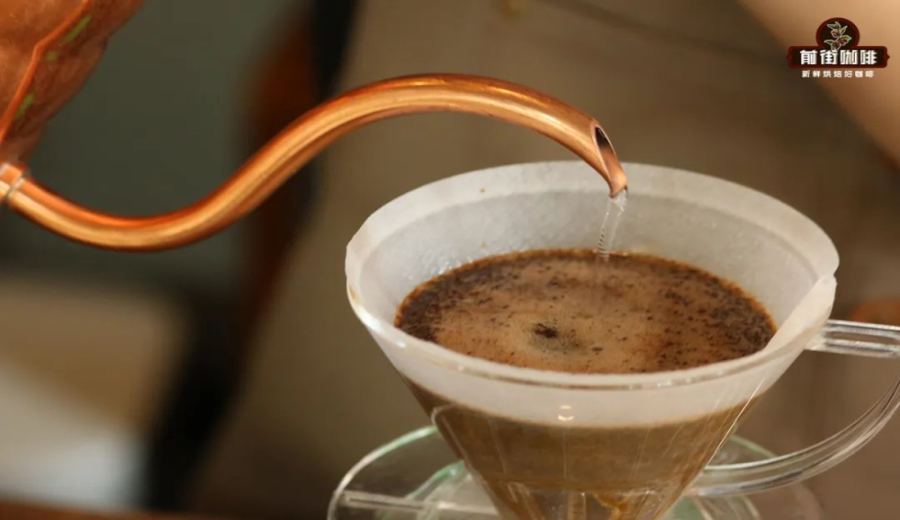
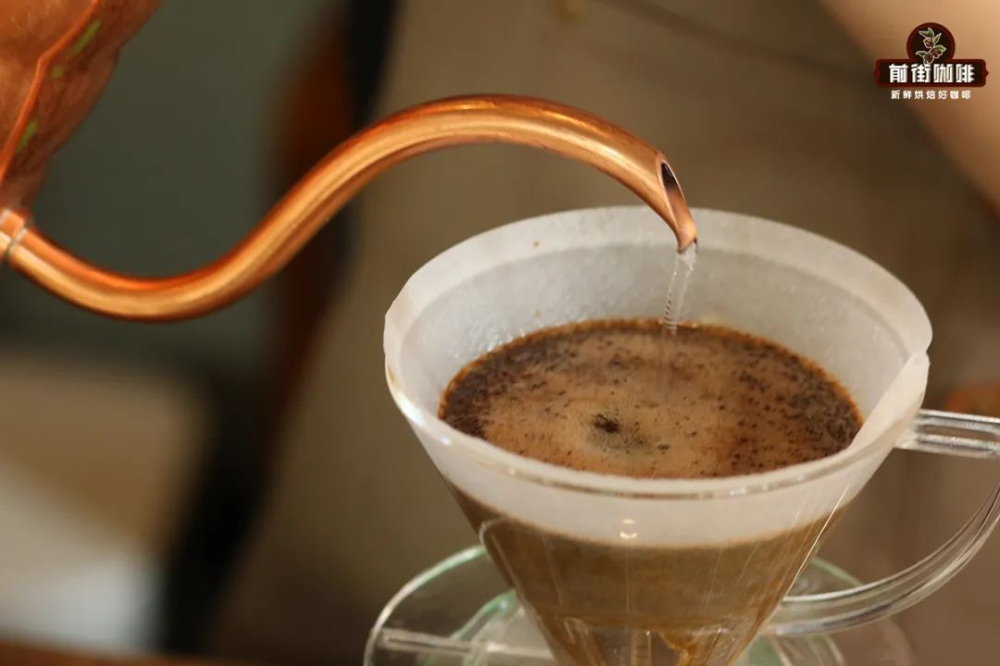
For pour over brewing, the stability and levelness of the dripper are equally critical. Generally, if the table is slightly tilted but the dripper still appears roughly level, the impact on extraction is minimal. However, once the dripper shows visible tilting, the situation changes significantly.
When the dripper is not level, water will concentrate on the lower side, causing that area of the coffee bed to be over-extracted, while the upper part receives insufficient water flow and is under-extracted, resulting in clear extraction imbalance. This issue is especially evident during the pour over process and ultimately affects the overall flavor expression of the coffee, potentially turning what should be a balanced cup into something thin or muddled.
A common issue arises when using drippers without fixed bases (such as the Origami dripper paired with certain wooden stands), as these stands often fail to securely hold the dripper, causing it to shift or tilt during brewing. If you notice significant tilting of the dripper during the brew, adjust its position immediately or switch to a more stable base design to ensure the dripper and coffee bed receive even water flow, thereby enhancing pour over quality.
The above content is compiled by CoffeeHunters, a coffee news website.


