







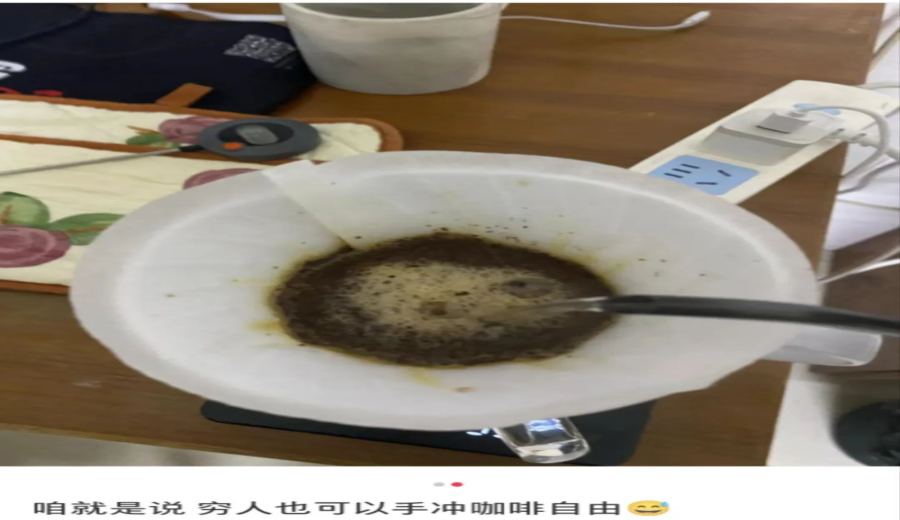
Introduction:With the shift in consumer attitudes after the pandemic, more and more coffee enthusiasts are choosing to brew at home, experimenting with everything from pour over to moka pot to create their own personalized coffee corners. This is not only a cost-saving choice but also allows for adjusting grind size and water temperature to suit personal taste, offering the joy and sense of accomplishment that comes with DIY. This article will explore the essential elements of a home coffee setup, from basic equipment selection to practical tips, helping you establish your own coffee ritual.
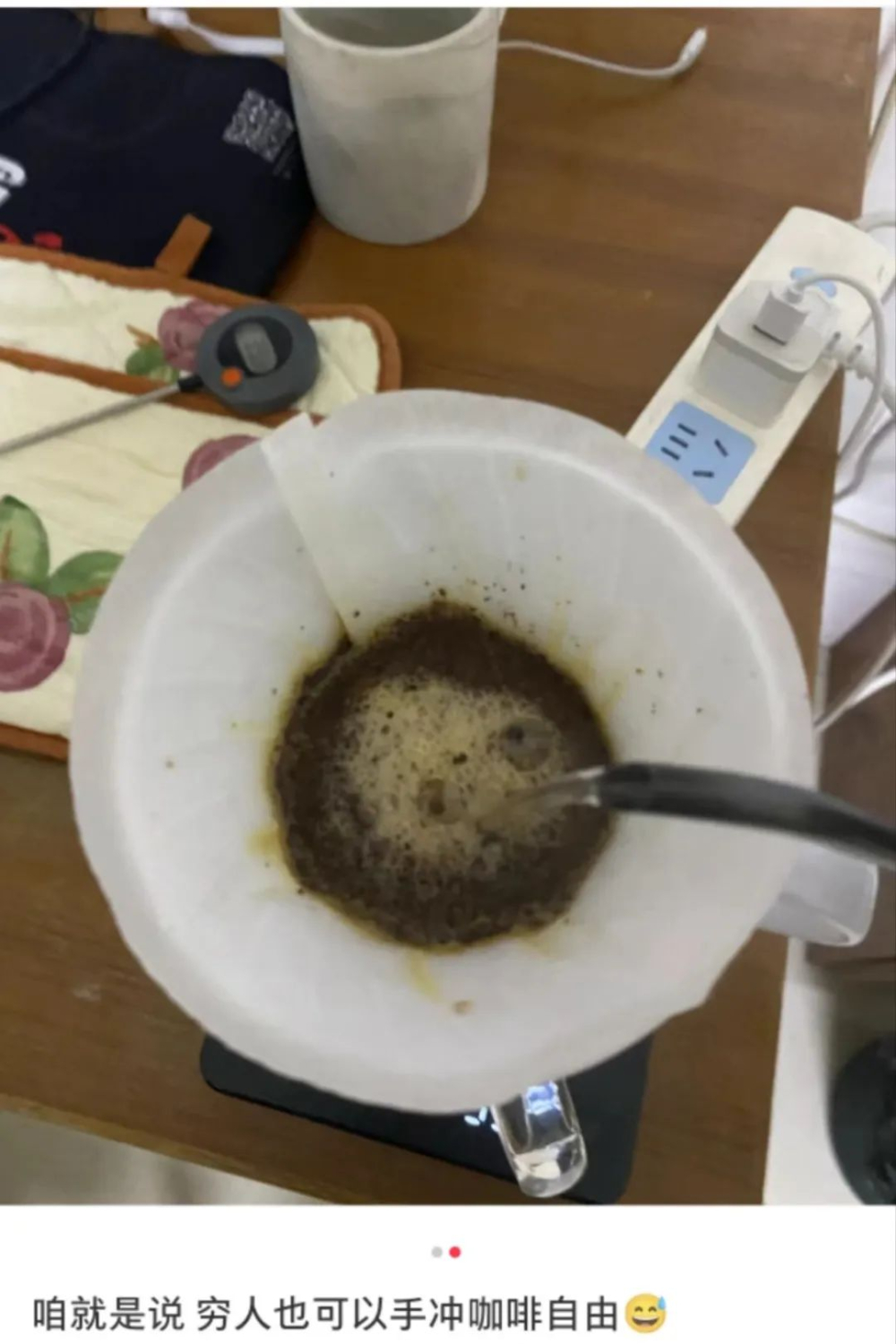
Walk into any coffee shop, and a nine-yuan affordable drink has become the norm. But after the pandemic, many people’s consumption habits have quietly changed. An increasing number of individuals are choosing to make coffee at home themselves. This trend is not just driven by economic considerations, but also reflects modern people’s pursuit of quality of life — the freedom to choose bean varieties, adjust brewing methods, and enjoy coffee without being limited by business hours.
The rise of home coffee culture has gradually transformed corners of many people’s homes into “home coffee corners.” These spaces may feature grinders of various sizes, different types of filter drippers, or even elegant servers. For enthusiasts, this is not just a collection of practical tools, but a space that showcases one’s personal coffee philosophy, embodying the daily morning ritual.
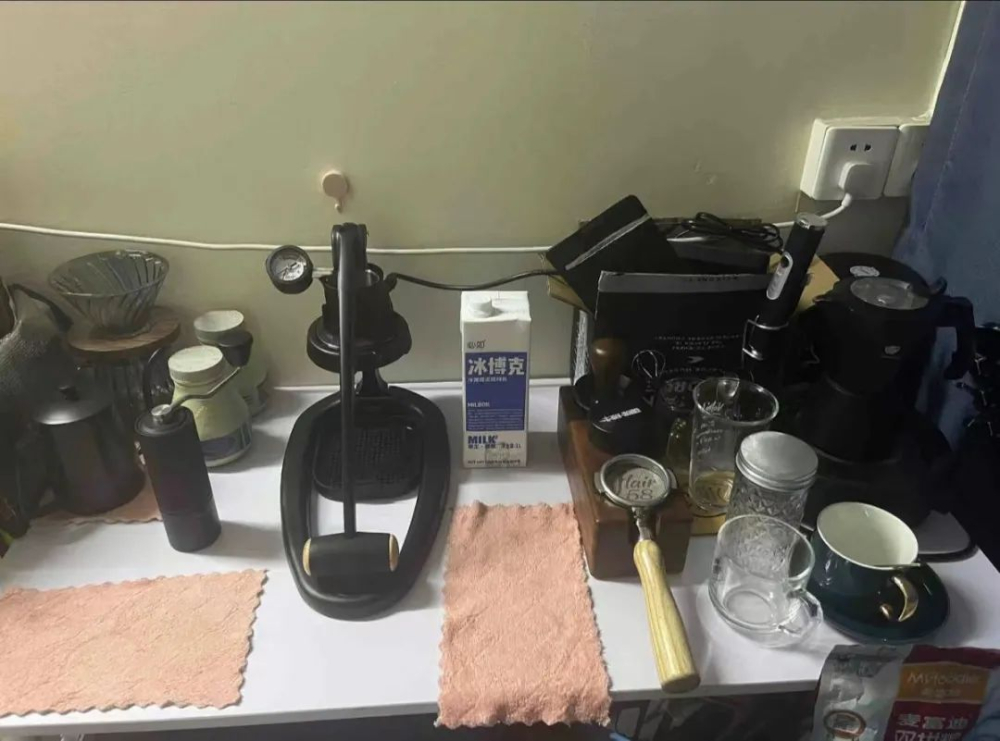
Typical home coffee enthusiasts often gradually add a variety of equipment to their setups: from experiencing the differences between dual-blade and flat burr grinders, to observing how cone-shaped or wedge-shaped drippers affect flow rate, and even advancing to specialized designs like the Lily Drip. This accumulation of gear often starts with a simple question — “How can I replicate the flavor of café coffee at home?”

In reality, the flexibility of home brewing far exceeds expectations. Take the moka pot, for example — its 9-bar pressure can produce an espresso-like base. By simply adjusting the coffee-to-water ratio (recommended at 1:2 to 1:3) and stove flame intensity, you can create a variety of drinks such as Americano or latte. As for users of semi-automatic espresso machines, they can more precisely highlight the regional flavor characteristics of beans by controlling extraction time (usually 25–30 seconds) and grind coarseness.
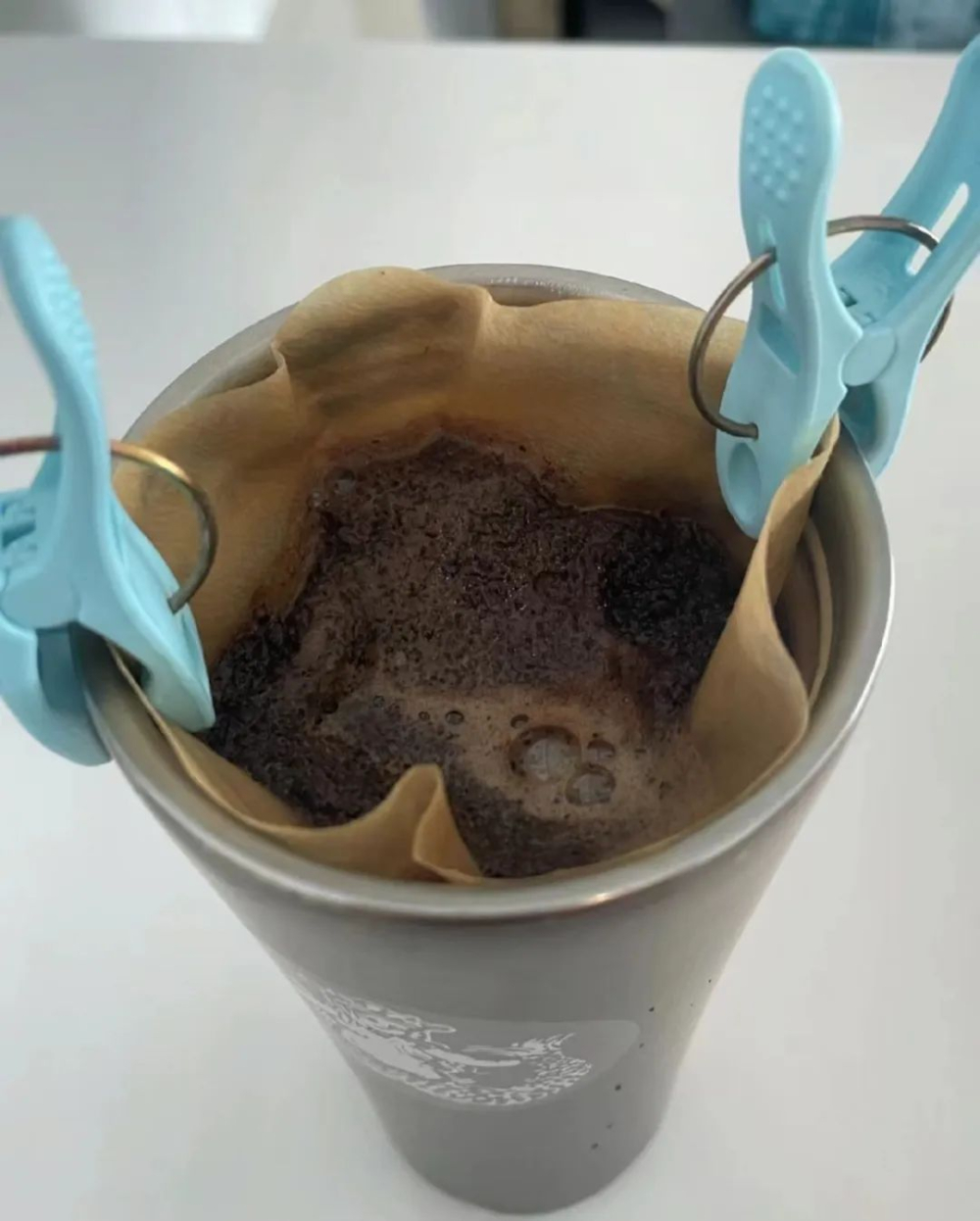
For beginners, it’s recommended to start with a pour over system: choose a medium-fine grind (about the size of sugar grains), control water temperature at 90–94°C, and use a “center pour with spiral expansion” pouring technique. Common mistakes include over-grinding, which leads to over-extraction, or uneven pouring speed, causing channeling. A stable server and digital scale can effectively improve extraction consistency.
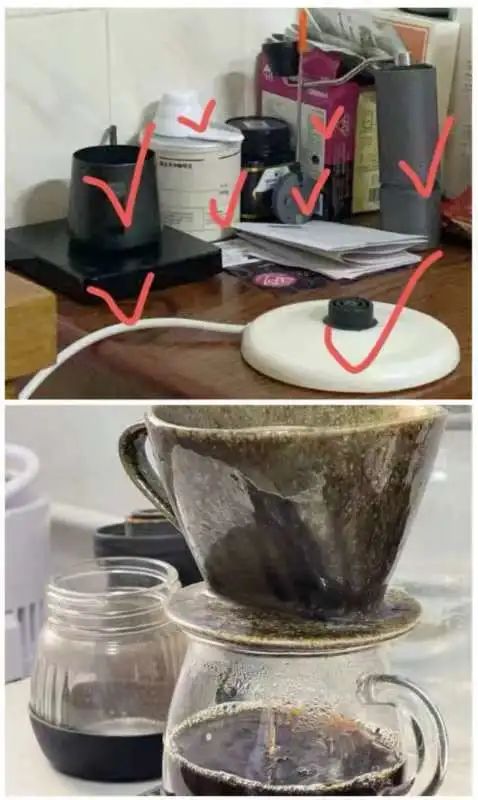
Notably, the charm of a home coffee corner isn’t just technical. Many enthusiasts specifically select aesthetically designed equipment, such as copper moka pots or minimalist dripper stands, turning the brewing process itself into a display of lifestyle aesthetics. Even on a limited budget, by thoughtfully configuring a basic trio (grinder, dripper, pour over kettle), one can still create a brewing environment with personal flair.
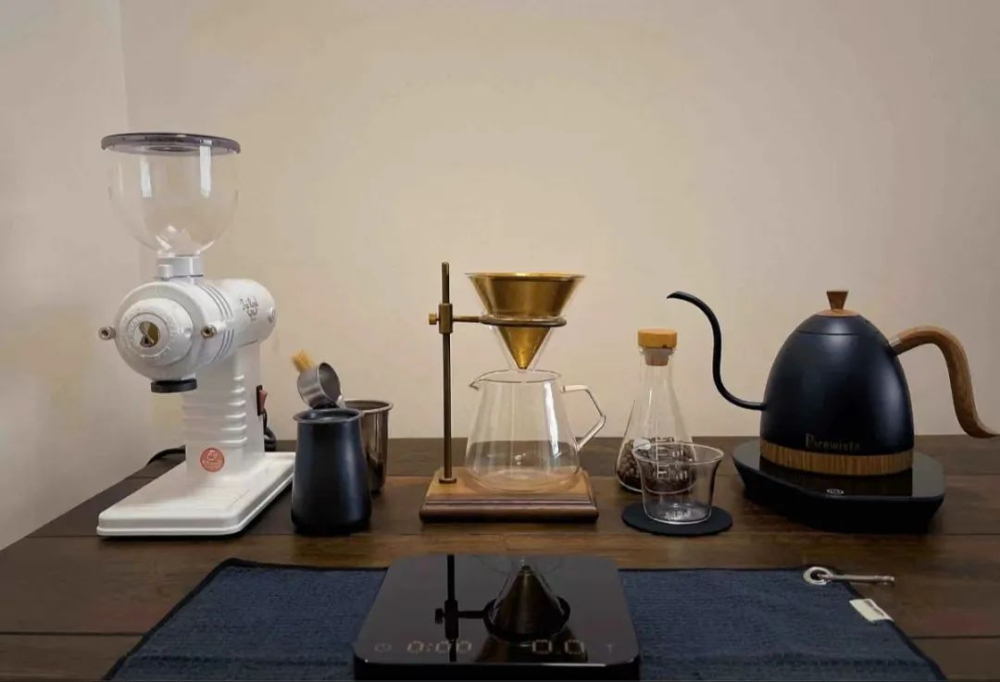
This practice of home coffee brewing is essentially transforming the processes of professional cafés into a personal daily ritual. From selecting green beans, adjusting grind size, to observing the blooming state of the coffee bed, each step contains details worth exploring. For modern individuals, this sense of control and creative space is the core reason why home coffee corners continue to gain popularity.
The above content is compiled by CoffeeHunters, a coffee news website.


