







Introduction:Blooming is a crucial starting point in pour over coffee brewing, influencing overall flavor expression and extraction efficiency. This article delves into the working principles of blooming, provides professionally recommended water volume and time guidelines, and breaks down each step from handling the coffee bed to the actual extraction. With practical operation details and common issue reminders, it helps coffee enthusiasts easily master the process at home and brew ideal coffee with rich, balanced layers.
In the entire pour over coffee brewing process, blooming (also known as pre-wetting or pre-infusion), though just the initial step, plays a pivotal role in subsequent flavor release and overall extraction performance. Many beginners often wonder how much hot water they should pour and how long the bloom should last. In fact, by mastering the correct parameters and techniques, you can lay a solid foundation for a great cup of coffee.
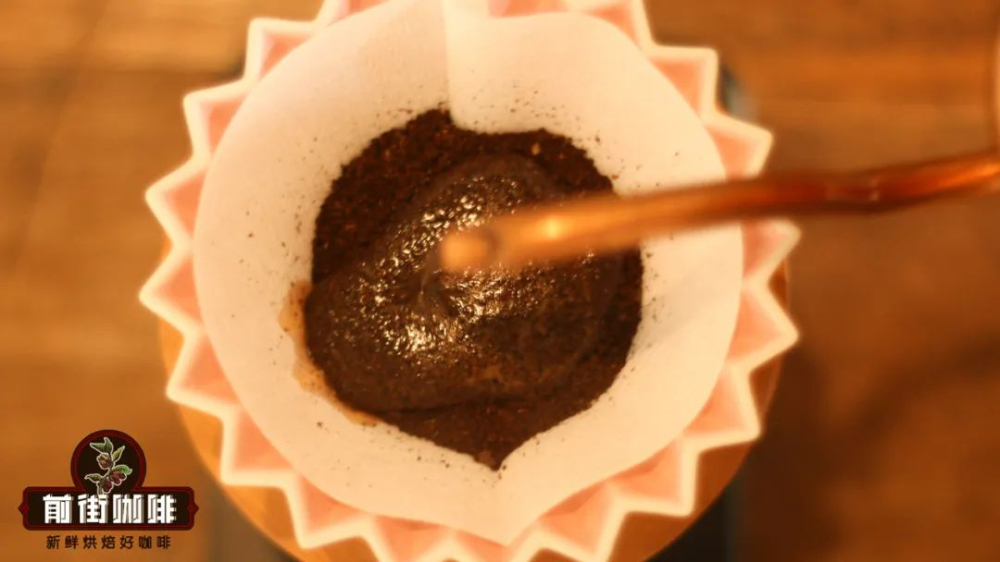
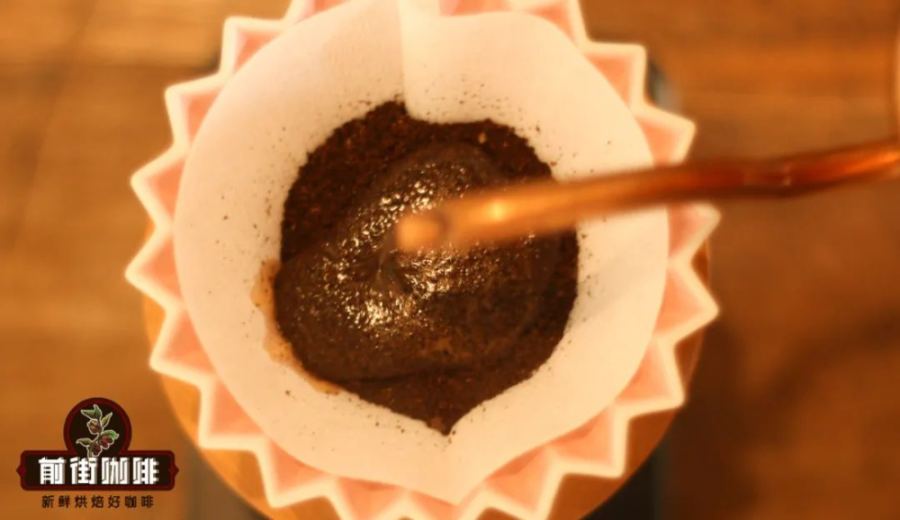
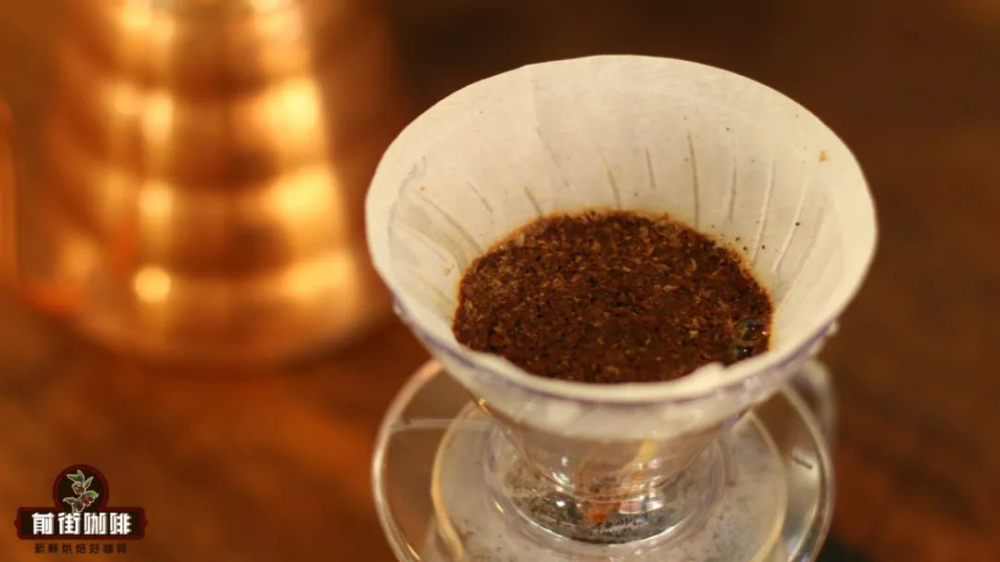
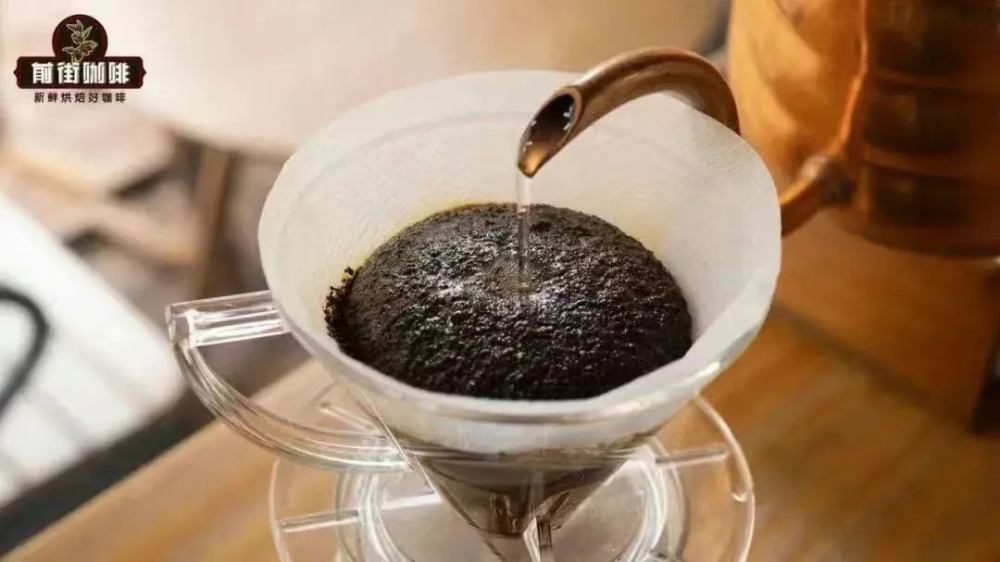
Blooming refers to the process of evenly wetting the coffee grounds with a small amount of hot water before the main extraction. Its purpose is to activate the aromatic compounds in the coffee and release carbon dioxide, allowing subsequent water flow to penetrate more smoothly and extract a full, balanced flavor profile. This step not only improves extraction yield but also effectively prevents issues such as over-extraction or weak flavors later on.
Regarding water volume, it is generally recommended to use 2 to 3 times the weight of the coffee grounds for blooming. For example, if you are using 20 grams of coffee grounds, you can pour about 40 to 60 milliliters of hot water during blooming. This amount is sufficient to allow the coffee grounds to fully expand without causing premature extraction due to excessive water. Of course, the actual amount can be slightly adjusted based on the density of the coffee bed and the roast level of the beans.
The duration of blooming is equally critical, typically recommended to be maintained between 30 to 45 seconds. This timeframe is enough for the coffee grounds to release carbon dioxide and complete their initial expansion, preparing them for the main extraction phase. If the blooming time is too short, the coffee grounds may not fully awaken, leading to uneven extraction later; conversely, if the blooming is too long, some flavors may be released prematurely, affecting the overall balance.
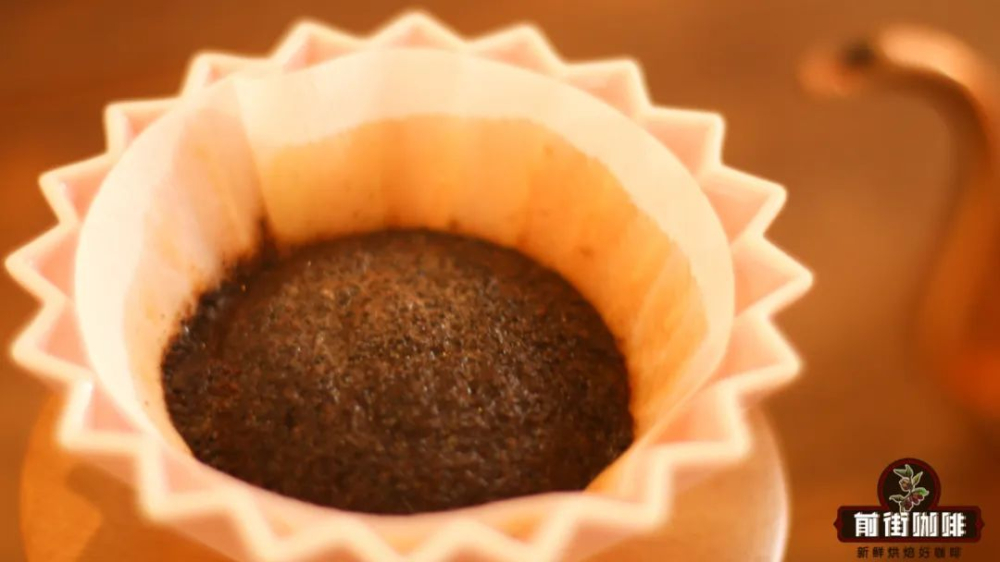
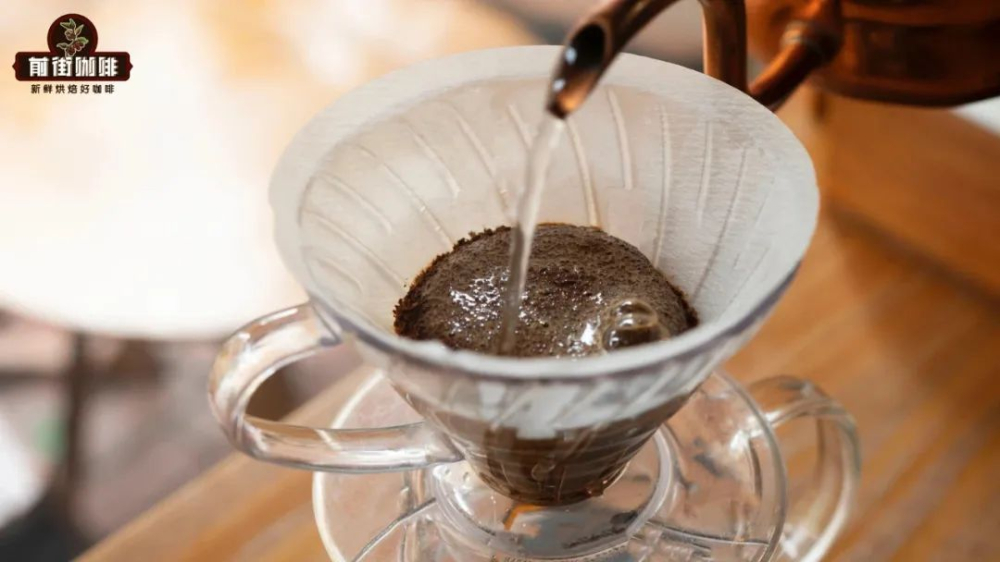
When performing blooming, it is recommended to pour the hot water in a spiral pattern from the center outward, ensuring the water gently penetrates the entire coffee bed and avoiding concentrated impact on any single area, which could cause channeling. The pouring speed should not be too fast; a steady and delicate pouring technique helps the coffee bed absorb water evenly, laying a good foundation for subsequent extraction.
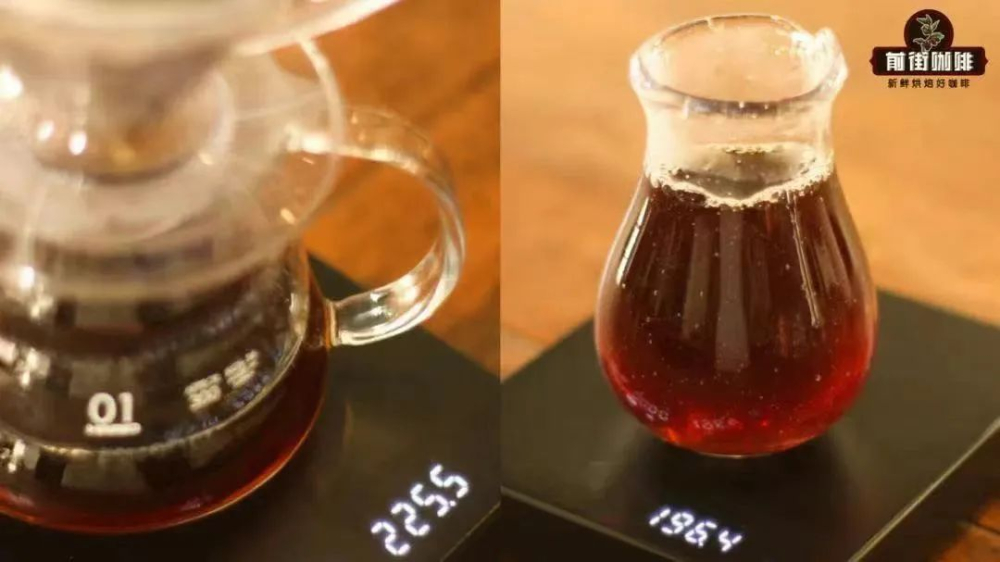
After blooming, the next step is the main extraction phase. At this point, you can adjust the total water volume and brew time according to your preferred strength and flavor characteristics. A common pour over extraction ratio is around 1:15 to 1:16 (i.e., 1 gram of coffee grounds to 15–16 milliliters of water), and the total brew time is generally controlled between 2 to 3 minutes, depending on grind size and pouring speed.
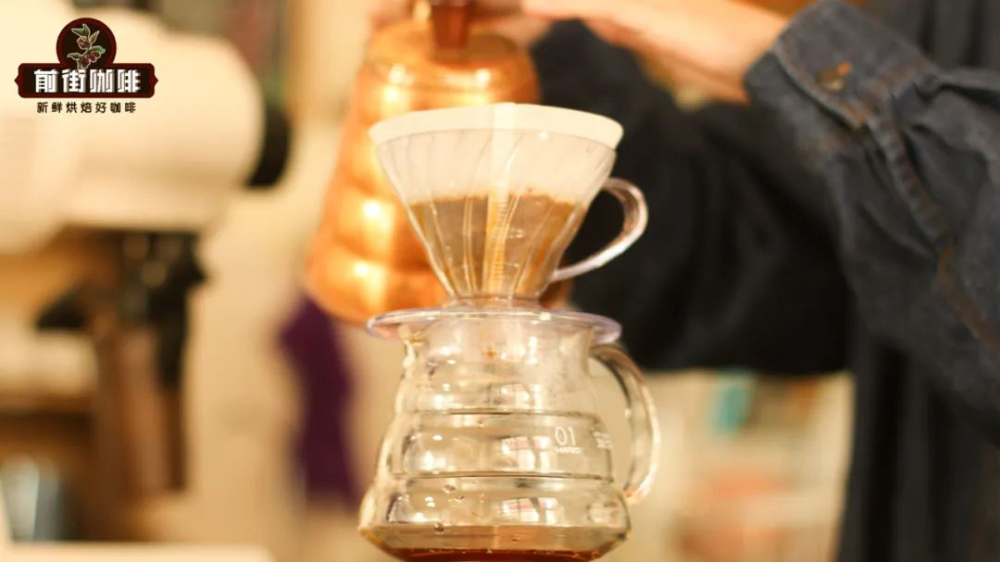
Throughout the brewing process, maintaining a steady water flow and uniform pouring path is key. Whether you use center-pouring, spiral-pouring, or staged-pouring techniques, the goal should be to ensure every coffee ground is evenly exposed to hot water. Additionally, observing the expansion state of the coffee bed and the flow rate in the filter cone can help you make real-time adjustments to avoid over-extraction or under-extraction.
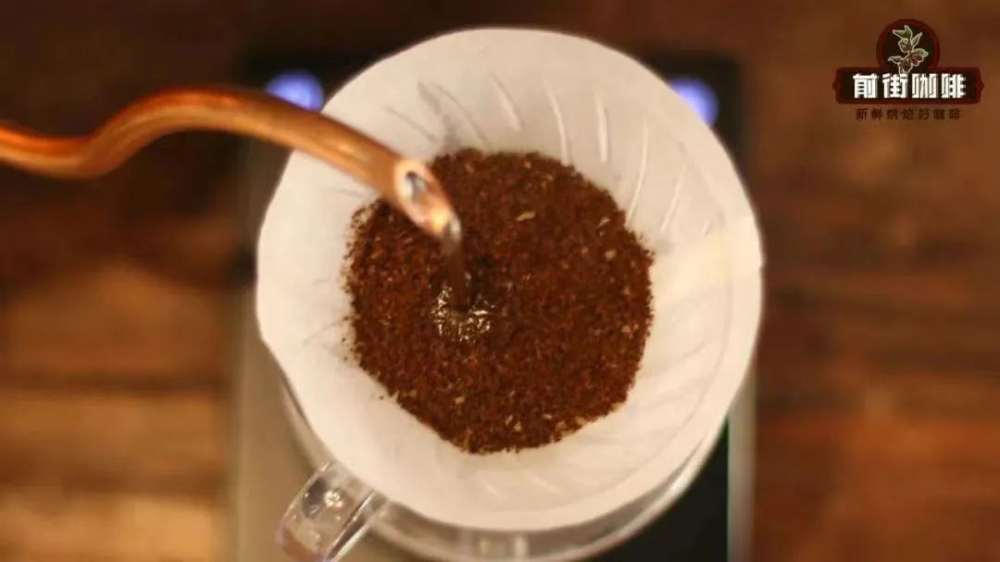
Beyond technical operation details, selecting freshly roasted coffee beans is also one of the key factors affecting blooming effectiveness. It is generally recommended to use coffee beans within 7 to 21 days of roasting, when the beans are at their most active and can release richer aromas and flavors. Meanwhile, appropriate grind size should also be adjusted based on the brewing method; pour over coffee typically uses a medium-fine grind, similar in texture to granulated sugar, helping to balance brew time and flavor expression.
In summary, although blooming is just the first step in the pour over coffee process, it encompasses many key details that influence the final flavor. From precise control of water volume and proper timing to the nuances of pouring technique and coffee bed handling, every aspect is worth exploring and practicing in depth for coffee enthusiasts. Through continuous experimentation and adjustment, you will gradually master this art and brew coffee with distinct layers, balanced flavors, and a truly satisfying experience.
The above content is compiled by CoffeeHunters, a coffee news website.


