







Introduction:Delve into the core charm of Kenyan coffee, from the berry acidity and sugarcane sweetness brought by the unique SL series varieties, to understanding the region’s rigorous grading system and the characteristics of its fourteen major growing areas. This article takes you to explore renowned origins such as Nyeri and Kirinyaga, examines how altitude and microclimates influence flavor profiles in each zone, and analyzes the brewing performance of the popular Thika region’s Asali AA TOP. It’s an essential advanced guide for coffee enthusiasts.
Kenya is located in East Africa, with the equator running through it. The entire country falls within tropical zones suitable for coffee cultivation. There are two main coffee harvest seasons each year: from October to December and from June to August, with annual rainfall ranging between 900 and 1200 millimeters. The high-altitude areas near Mount Kenya provide an almost perfect environment for coffee growth.
When it comes to Kenyan coffee, one cannot overlook the SL series varieties. These beans are renowned for their pronounced berry acidity and sweet, sugarcane-like finish, enjoying high recognition and acclaim in the global specialty coffee market.
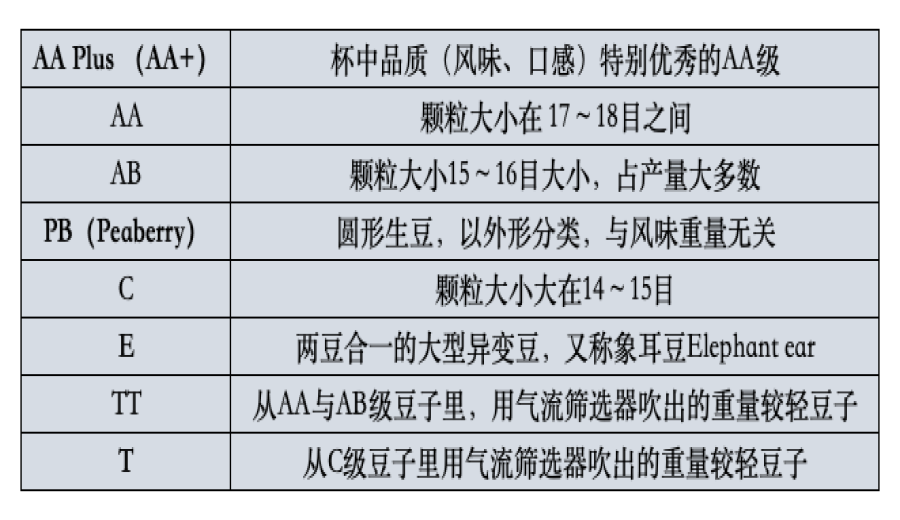
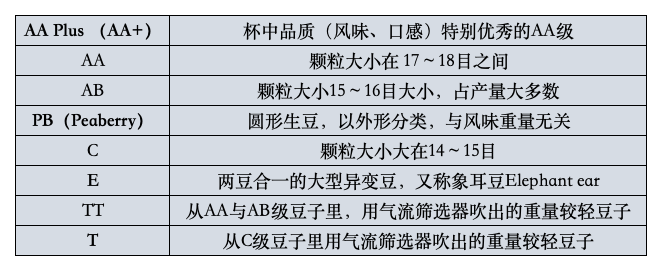
Kenya’s coffee grading system is primarily based on bean size, density, and defect rate. The most representative grades include AA+, AA, AB, PB, C, E, TT, and T. In the market, AA and AB grades are the most common and consistently high-quality choices, especially AA grade, which typically represents the largest beans with the richest flavors.
Kenya has a total of 14 coffee-growing regions: Bungoma, Embu, Kiambu, Kirinyaga, Kisii, Machakos, Meru, Mt. Elgon, Murang’a, Nakuru, Nyeri, Thika, Taita Taveta, and Trans-Nzoia. Among them, Nyeri, Kirinyaga, Murang’a, and Kiambu are widely recognized as the four most representative origins.
The Nyeri region is located in central Kenya and is home to the extinct volcano Mount Kenya. With altitudes ranging from 1200 to 2300 meters, the area not only enjoys a cool climate but also has mineral-rich soils. Coupled with a well-established local industry chain, the coffee from this region is known for its consistent quality and distinct flavor profiles.
Adjacent to Nyeri, the Kirinyaga region sits at an altitude of approximately 1300 to 1900 meters and stands alongside Nyeri as one of Kenya’s top-tier coffee representatives. The area is mainly composed of smallholder farmers, many of whom join cooperatives to share wet-processing facilities. They deliver harvested coffee cherries to cooperative processing mills for refinement, ensuring consistent quality.
The Murang’a region is located in the Central Province, with elevations around 1350 to 1950 meters. Like others, it benefits from volcanic soils that produce uniquely flavored coffee. The area is home to about 100,000 coffee growers, the vast majority of whom are small-scale farmers. There are relatively fewer estates, but this also helps preserve more traditional farming and processing methods.
The Kiambu region is also situated in central Kenya, with altitudes ranging from approximately 1500 to 2200 meters. It is dominated by larger coffee estates, such as those in Thika, Ruiru, and Limuru. Coffees from these estates are often named after their origin, and the Asali AA TOP from the Thika region is a highly praised example.
This Asali AA TOP from Thika is made from the SL28 variety and undergoes Kenya’s unique 72-hour washed process (also known as K72). After brewing, it exhibits bright acidity reminiscent of cherry tomatoes and black plums, with a clean and refreshing mouthfeel. The finish delivers a mellow brown sugar sweetness and a subtle green tea note, making it an excellent choice for coffee lovers who enjoy bright fruit acidity paired with sweetness.
Overall, Kenyan coffee has carved out a unique position in the global specialty coffee market thanks to its distinctive varieties, rigorous grading system, and diverse regional terroirs. Whether you’re new to Kenyan beans or an advanced enthusiast seeking specific regional profiles, understanding these fundamentals will enable you to select and appreciate a high-quality cup of Kenyan coffee with greater precision.
The above content is compiled by CoffeeHunters, a coffee news website.


