








Introduction:Have you ever found yourself with a collection of beautiful coffee cups but never quite sure which one to use? In fact, the material, thickness, and shape of a coffee cup can directly affect temperature retention, aroma release, and the drinking experience—ultimately altering how we perceive the flavors of the coffee. This article will take you through the characteristics of different coffee cups from the perspectives of material science, drinking physiology, and design aesthetics, helping you find the ideal vessel for each type of coffee flavor.
Have you also faced the dilemma of standing in front of your shelf full of coffee cups, yet feeling uncertain about which one to choose each time you brew? Though they may seem like mere containers, the material, wall thickness, and rim shape of a coffee cup subtly influence the temperature, aroma, and flavor you experience with every sip. Even though they don’t change the concentration or chemical composition of the coffee itself, their structural design can significantly shape your overall drinking experience. Next, we’ll delve into various dimensions to analyze how different types of coffee cups influence your connection with the coffee.
 First, let’s address a common misconception: no matter what material, how thick the walls are, or what shape the cup is, it won’t alter the extraction result of the coffee liquid—that is, its concentration or the amount of flavor compounds. The role of the cup is that of a “sensory medium.” It affects how you perceive each sip through properties such as temperature retention, aroma release, liquid flow, and mouth contact. If the coffee extraction itself is poor, even the most high-end cup can’t “rescue” its flavor.
Next, we’ll break it down from three main aspects: material, wall thickness, and cup shape, so that the next time you choose a coffee cup, you won’t rely on intuition alone but can make a smarter decision based on the type of coffee you’re enjoying.
I. Choosing Coffee Cup Materials: More Than Just Looks
Commonly available coffee cup materials include glass, ceramic, stainless steel (metal), as well as less common options like plastic, wood, or bamboo. These materials not only differ in appearance but also have a significant impact on how coffee is presented and experienced.
First is visual effect: transparent glass allows you to clearly see the coffee's color, such as the wine-red hue often seen in medium-dark roasts, while lighter roasts tend toward orange-red or golden tones. In contrast, ceramic and metal materials mostly present dark brown hues, which are visually more subdued but not conducive to observing changes in coffee color.
Next is heat retention: ceramic and certain metals, due to their higher heat capacity, can better maintain coffee temperature after preheating. Especially in cold seasons, a hot latte in a warm ceramic cup can slow down cooling, allowing you to experience more flavor transitions at different temperatures. Glass, stainless steel, or plastic cups, on the other hand, dissipate heat faster and have noticeably weaker heat retention.
Lastly, be mindful of odor interference: stainless steel can easily carry a metallic taste, especially if the material is not specially treated; plastic cups may accumulate odors over long-term use, both of which can affect the purity and aroma of the coffee. It’s recommended to avoid these two materials when enjoying high-quality coffee.
II. Cup Wall Thickness: More Than Just Feel, It’s Key to Temperature and Mouthfeel
The thickness of a cup’s walls has a direct impact on the drinking experience. Generally speaking, the thicker the walls, the better the heat retention and the more stable the feel when holding the cup. For example, ceramic coffee cups, often with moderately thick walls, help keep milk foam stable when drinking cappuccinos or lattes, preventing it from spilling easily. They also allow for better lip contact with the rim, resulting in a smoother, fuller mouthfeel.
Some high-end ceramic cups are designed with internal trapezoidal structures or reinforced wall thickness. Besides heat retention, they also effectively gather aroma and guide the liquid flow toward the optimal taste perception areas of the tongue. Lighter-weight materials like bone china, while slightly inferior in heat retention, offer a gentler rim touch and can amplify delicate aromas such as floral or citrus notes—making them suitable for high-aroma, low-bitterness specialty coffees.
III. Cup Body and Rim Shape: The First Step in Guiding Taste
Did you know? Different parts of the tongue are specialized for detecting different tastes: the tip is most sensitive to sweetness, the sides to acidity, and the back to bitterness. The design of the cup rim directly determines which part of the tongue the coffee first touches upon entering the mouth, thereby influencing the flavor characteristics you perceive right away.
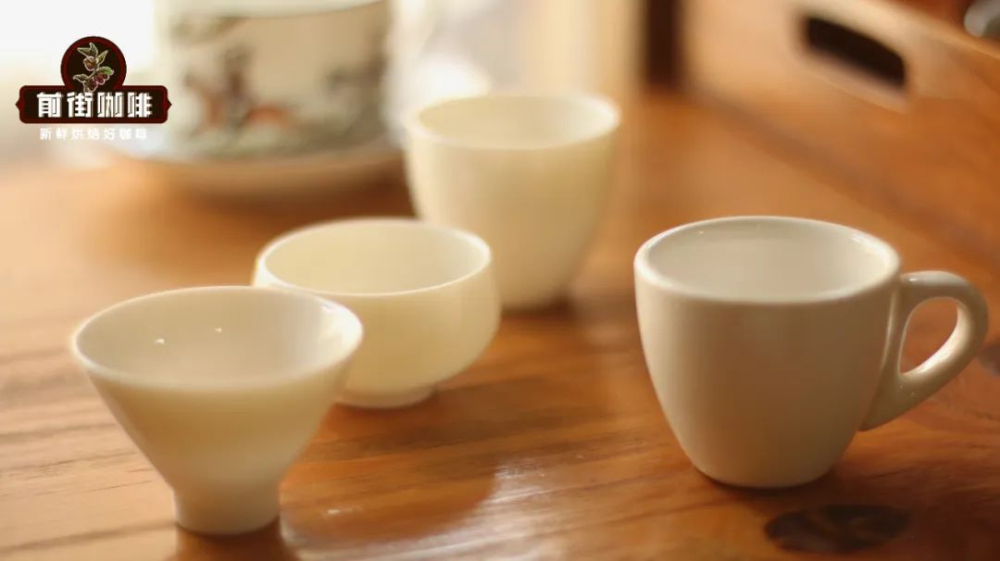
Wide-Rimmed Cup (Open Cup):This type of cup has a large opening, wider at the top and narrower at the bottom, with walls tilted outward at about 45 degrees, resembling a conical straw hat. This design increases the coffee’s surface area exposed to air, helping to lower the temperature. It’s suitable for coffees that emphasize bright fruit acidity and fresh flavors, such as washed Bourquinze Geisha or Kenya AA. The wide opening also lets the liquid flow over the tip and sides of the tongue, highlighting the brightness and layers of acidity.
Straight-Sided Cup:With a medium opening, this cup features straight walls from the belly to the rim, slightly tapered at the base, similar to a common mug. The straight structure directs the coffee flow toward the center of the mouth, resulting in a fuller, more robust mouthfeel. It’s ideal for coffees with balanced acidity, sweetness, and bitterness—for example, Papua Paradise Bird or Guatemala Flor. The cup height also helps slow temperature loss, aiding in maintaining stable flavor expression.
Tapered Cup (Luohan Cup):This cup has an inward-sloping rim, a slightly bulging belly, and a tapered base and rim. The design encourages you to slightly tilt your head back while drinking, promoting even distribution of the liquid in the mouth, which helps concentrate the aroma and enhance the aftertaste. It’s especially suitable for mid-to-high temperature drinking, accentuating the body and lingering finish of single-origin coffees, such as 90+ Eleta or Colombian Sidamo.
Additionally, some specialty cafés or competition-grade tasting cups draw inspiration from wine glass designs, creating professional cup shapes that combine multiple advantages—such as Origami custom aroma cups or Kruve glass tasting cups. These enhance aroma release, stabilize the temperature curve, and guide liquid flow to optimal taste zones. Although pricier, they are invaluable tools for those seeking the ultimate flavor experience.

In summary, choosing the right coffee cup is like finding the perfect stage for your coffee. Whether you’re a pour over enthusiast, an espresso lover, or a single-origin connoisseur, understanding the design logic behind each cup allows you to more deeply appreciate the unique character of every cup of coffee.
The above content is compiled by CoffeeHunters, a coffee news website.


