







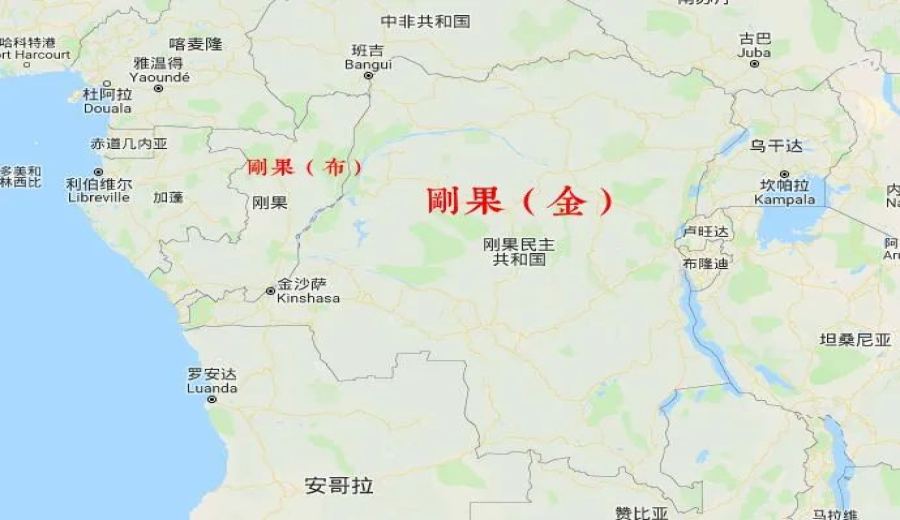
Introduction:An in-depth exploration of the Democratic Republic of Congo’s coffee industry over the past century — from being forced to cultivate disease-resistant varieties during colonial rule, to farmers risking border crossings to sell beans for survival during civil war, to today’s efforts to rebuild a specialty coffee supply chain in a peaceful environment. This article unveils the little-known story of Congolese coffee, analyzing current infrastructure challenges and opportunities for quality improvement in the producing regions, providing essential background knowledge for consumers and buyers interested in African specialty coffee.
Known as the “breadbasket of Africa,” the Democratic Republic of Congo has the potential for up to 80 million hectares of arable land, and coffee was once one of the pillars of its economy. This Central African nation once held a unique position on the global coffee map — its industry’s rise and fall closely tied to the complex threads of colonial history, the shadow of war, and post-conflict reconstruction.
As early as the late 19th century, with the introduction of the first coffee seedlings by European settlers, the DRC (then Zaire) began its coffee-growing history. At that time, the world was ravaged by coffee leaf rust (CLR), and this region, newly colonized by King Leopold II of Belgium, like other colonies, was mandated to expand the planting of disease-resistant varieties, inadvertently laying the foundation for its commercial coffee production. Notably,the brutal rule from 1885 to 1908 may have formally ended in 1960, but the economic structure left behind by colonization continues to affect the country to this day.。
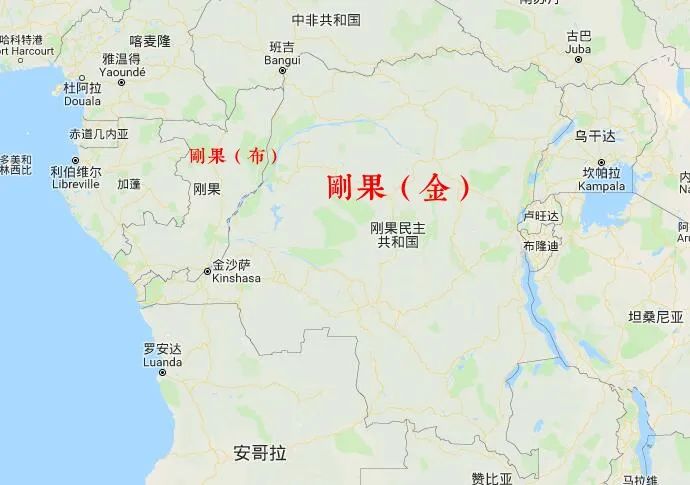
Although copper exports have long monopolized the nation’s wealth, coffee has been one of the few cash crops that directly benefits grassroots farmers. Smallholder farmers have struggled to make a living by growing a mix of Arabica and Robusta varieties. In the early 1990s, the international community had hoped that this resource-rich country could revive its economy through its coffee industry, with predictions that annual production could exceed 10 million bags.
Yet the glimpse of peace was short-lived. The Congolese civil war that erupted in 1997 completely shattered the nascent coffee economy. Reliable records show that by 2010, production had plummeted to less than one-tenth of 1990s levels.The war forced millions of farmers to flee to neighboring countries, with many risking their lives to cross the stormy Lake Kivu to smuggle coffee beans into Rwanda for trade.This dangerous route remains fraught with risks of bandit attacks to this day.
Two decades of conflict delivered a devastating blow to coffee. Farms in the main eastern producing regions were either abandoned or deliberately destroyed, and many hillsides with excellent microclimates were left uncultivated due to security concerns. Even more challenging is the unclear land ownership, deterring farmers from investing in perennial coffee tree cultivation.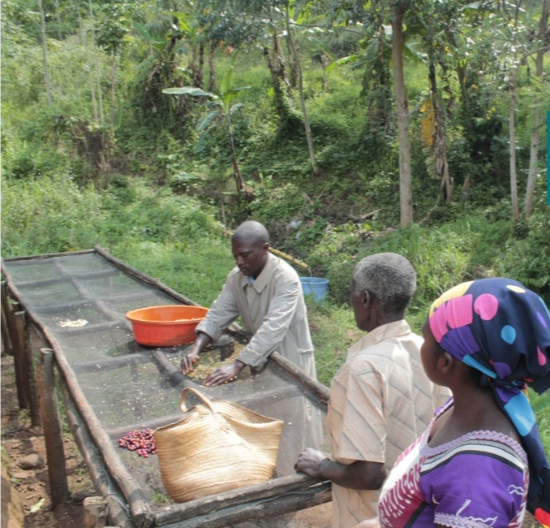
The contemporary coffee industry in the DRC is in a difficult phase of revival. Although peace agreements are gradually being implemented, various informal taxes and corrupt practices at the local level continue to severely hinder the efficiency of agricultural product circulation. Notably, international aid organizations and specialty coffee buyers are beginning to notice the potential of the country’s southern and northeastern highlands to produce beans with distinctive flavors — these regions generally sit at altitudes above 1,500 meters, theoretically suitable for cultivating high-quality Arabica with pronounced acidity and floral notes.
Currently, local cooperatives have established primary processing stations, introducing pulp removal and fermentation control techniques in an attempt to improve green bean consistency. Industry experts point out that for Congolese coffee to truly break into the international specialty market, three major challenges must be addressed: stable electricity supply to maintain washed processing quality, farmer education and training systems, and traceability mechanisms that meet international certification standards. Recently, small batches of beans have demonstrated blueberry and caramel flavor profiles in professional cuppings, indicating their flavor potential should not be underestimated.
Can this resilient nation rebuild itself as an emerging specialty coffee region in Africa? The answer depends on the extent of international support and the progress of local institutional reforms. For coffee enthusiasts, paying attention to Congolese beans is not just about savoring a story — it’s about taking real action to support economic reconstruction in a post-conflict region.
The above content is compiled by CoffeeHunters, a coffee news website.


