







Introduction:As the cradle of coffee’s arabica origin, Yemen will once again host an international coffee auction in January 2024. Among the 17 finalist samples, several have achieved cupping scores as high as 91 points, attracting bidders from eight countries. Through this auction, you will gain an in-depth understanding of the revival of Yemeni coffee, the terroir characteristics of its producing regions, and how fair trade can support local farmers. Experts will analyze the quality breakthroughs behind a 140% increase in production and reveal the auction process and key participation points.
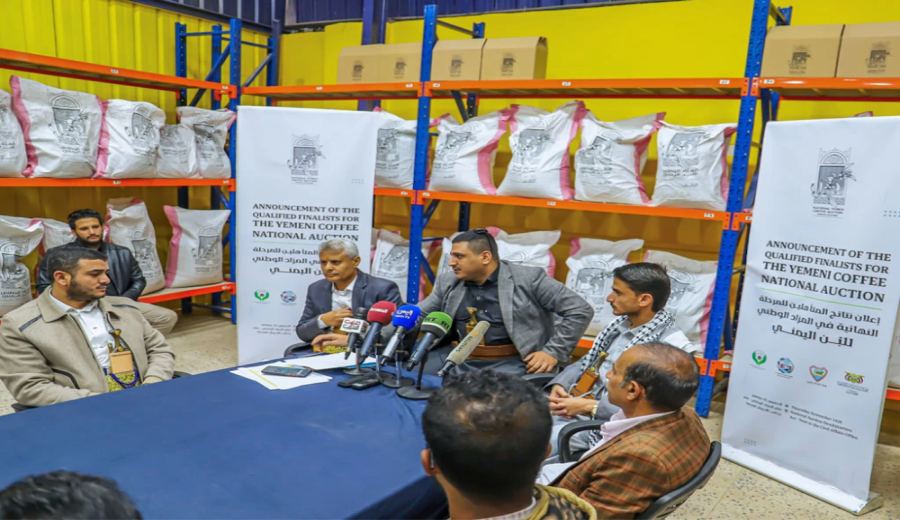
Yemen, a country hailed as the birthplace of coffee, is revitalizing the glory of its coffee industry through international auctions. In November 2023, the Supreme Committee for the Sana’a Global Coffee Auction selected 17 top-tier coffee samples, several of which receiveda cupping score of 91 pointsand will be publicly auctioned on January 11, 2024.
This globally focused auction event, centered on the specialty coffee market, is open to buyers from eight countries: the United States, the United Kingdom, China, Japan, South Korea, Australia, the United Arab Emirates, and Saudi Arabia. For coffee enthusiasts, it is not only a rare opportunity to taste the flavors of arabica varieties but also a chance to support sustainable farming practices among Yemeni farmers through bidding.
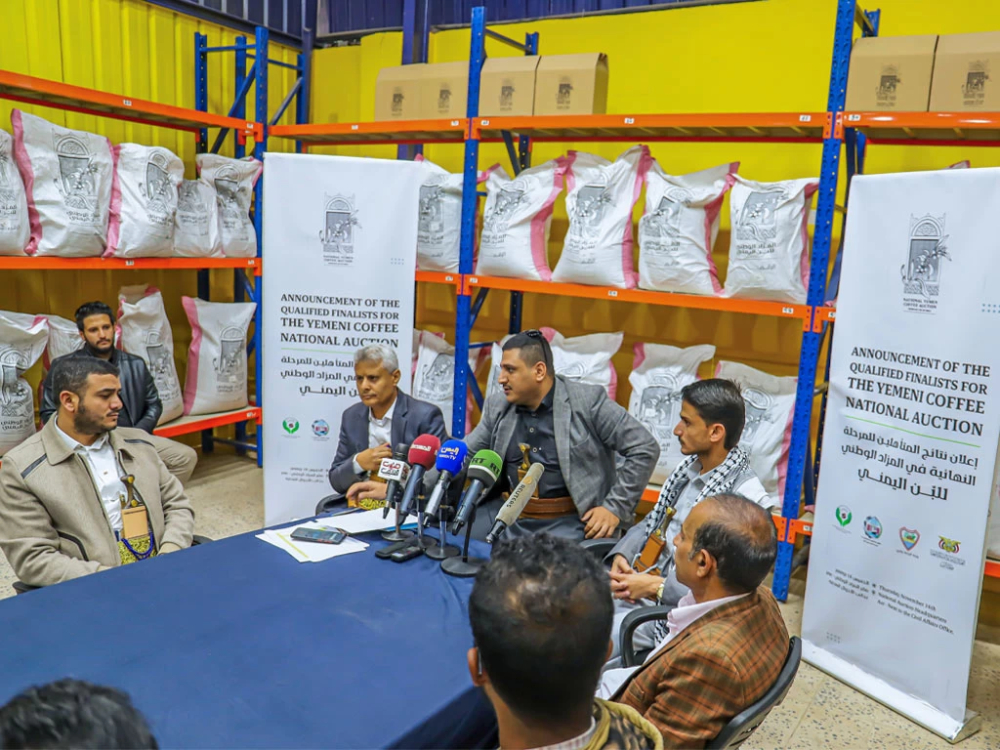
Muhammad al-Qassimi, head of the coffee department at Yemen’s Supreme Agricultural and Fisheries Committee, emphasized at a press conference that this auction marks a significant milestone for the industry.A 140% increase in production compared to previous yearsreflects notable progress by farmers in quality management. He pointed out that directly connecting with consumers through an international platform helps establish a fair pricing mechanism, ensuring producers receive reasonable compensation for their labor.
Looking back at the selection process, Executive Chairman Mohsen Atif revealed that a total of 83 coffee samples were received in the preliminary stage. After rigorous evaluation by domestic and international experts following strict criteria, 17 samples stood out. Notably, while all finalist batches demonstrated excellent quality, experts observed distinct flavor differences, highlighting the diverse cultivation techniques across Yemen’s producing regions.
Muhammad Hassan, chairman of the Coffee Producers Cooperative Union, specifically commended the efforts of participating farmers, stating that this auction is not just a commercial event but also a major promotion of Yemeni coffee culture. Through the tasting of international buyers, it will help the global market rediscover the unique value of Yemeni coffee.
As the birthplace of global coffee trade, Yemen experienced a decline in its industry due to civil war, competition from illicit crops, and limitations of traditional processing methods. In recent years, the introduction of modern cultivation techniques and international cooperation has gradually revitalized the producing regions. This auction specifically opens to eight countries with high demand for specialty coffee, aiming to enhance the international visibility of Yemeni coffee.

Professional advice for buyers interested in participating in the auction is to research the altitude and microclimate characteristics of each producing region in advance, as these factors directly influence the acidity and sweetness profiles of the coffee. For example, Yemeni beans grown at high altitudes often exhibit bright citrus acidity and spicy finish, while those from medium to low altitudes may display richer nutty tones.
This auction is not only a commercial trading platform but also a window into the transformation of Yemen’s coffee industry. By supporting such fair trade mechanisms, consumers can directly participate in protecting the diversity of coffee arabica varieties while experiencing coffee flavors that are closest to their historical origins.
The above content is compiled by CoffeeHunters, a coffee news website.


