







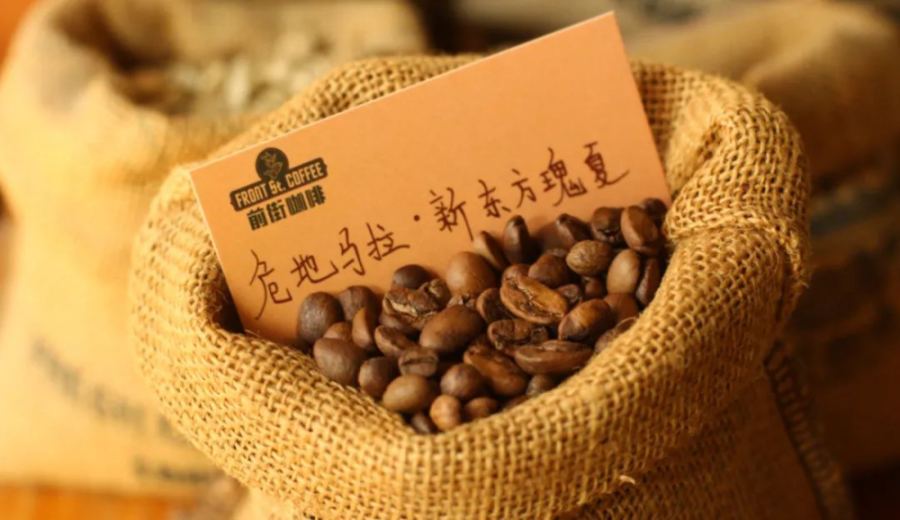
Introduction:Explore Guatemala’s youngest coffee-growing region — Nuevo Oriente — and discover how its high altitude and volcanic soil give rise to the uniquely flavorful Geisha coffee. This article delves into the origin background and varietal evolution of the Nuevo Oriente · Geisha Honey-processed beans, and provides professional pour over recommendations along with actual tasting notes, guiding you from region to cup to fully grasp the brewing secrets and flavor layers of this honey-processed Geisha.
Among Guatemala’s many coffee regions, Nuevo Oriente is the youngest, yet it stands out thanks to its exceptional geographical conditions. The region sits at an elevation between1500 and 2050 meters, featuring a humid climate with abundant rainfall, coupled with metamorphic rock soils left behind by ancient volcanic activity — rich in various minerals beneficial to coffee growth — creating an ideal environment where Geisha coffee can express extraordinary potential. The Geisha beans from here, after undergoinghoney processingandmedium-light roasting, often exhibit delightful flavors such as sweet orange, magnolia, citrus, and toffee.
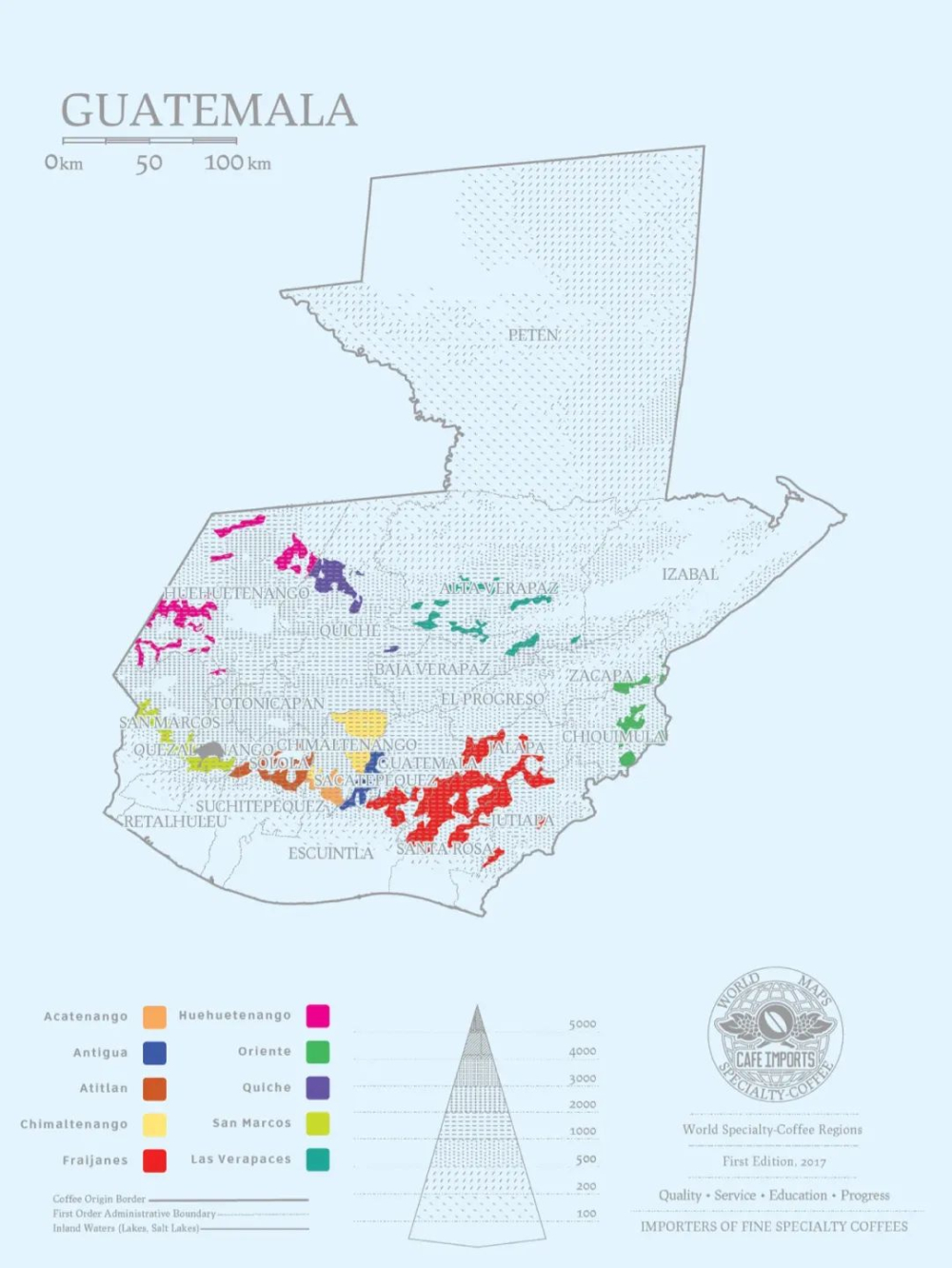
To better understand this Nuevo Oriente Geisha, let’s start with the overall regional structure of Guatemala. The entire country lies in the tropics, with its climate divided into tropical rainforest and subtropical types due to topographical differences,with the rainy season from May to October and the dry season from November to April of the following year. The distinct alternation of wet and dry seasons provides coffee trees with essential growth rhythms. The presence of numerous volcanoes across the country results in generally nutrient-rich soils, which also serve as a crucial foundation supporting the local coffee industry.
The quality and regional characteristics of Guatemalan coffee are managed by the official body “Anacafé (Asociación Nacional del Café),” which divides the country into eight main coffee-growing regions based on microclimates, altitudes, and flavor profiles. In addition to well-known regions such as Antigua, Huehuetenango, and the San Marcos Volcano region where Finca El Injerto is located,Nuevo Oriente (New Oriente), as the newest member among them, is gradually capturing the attention of global specialty coffee enthusiasts with its distinctive flavors.
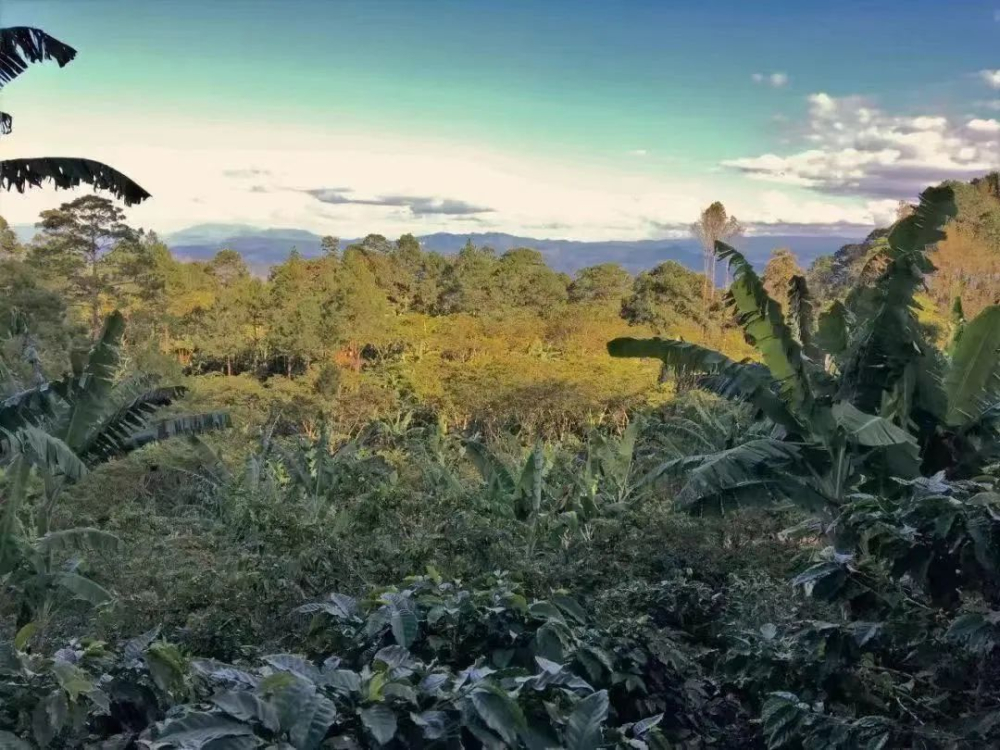
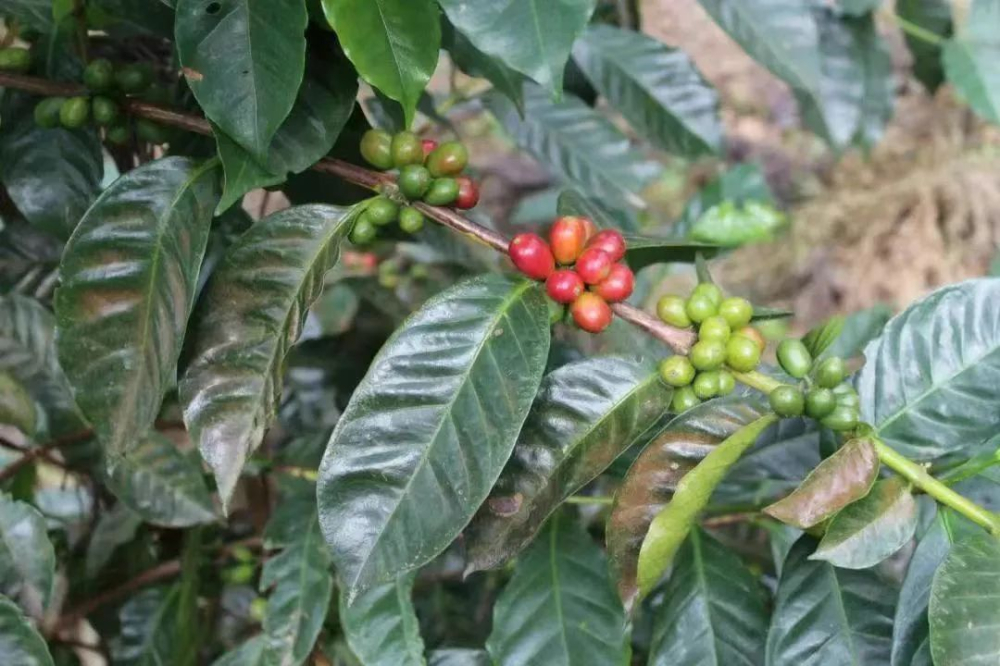
Nuevo Oriente features a humid climate with frequent cloud cover. Due to its high altitude, sunlight penetration is relatively low, which helps coffee cherries ripen slowly, accumulating richer sugars and flavor compounds. The region’s soils are primarily composed of metamorphic rocks, offering a stable structure and abundant mineral elements — providing ideal growing conditions for Geisha, a premium variety originally from Ethiopia. As a result, the Geisha grown here not only retains the outstanding genetic traits of the variety but also integrates the unique terroir characteristics of the region, promising an exciting flavor profile.
When it comes to Geisha, we must revisit its legendary journey from Ethiopia to Panama, and now to taking root in various producing regions across Central and South America. In 1931, Geisha (then labeled T2722) was discovered in the Kaffa forests of Ethiopia, but due to the industry’s focus on yield over quality at the time, the low-yielding Geisha went unnoticed. It wasn’t until the mid-to-late 20th century that it was gradually introduced to Uganda, Tanzania, Costa Rica, and finally arrived in Panama in the 1970s.
As specialty coffee awareness grew and people began prioritizing flavor over yield, in the 1990s, the owners of Panama’s Hacienda La Esmeralda discovered that Geisha exhibited certain resistance to leaf rust, prompting them to plant it in high-altitude areas. It wasn’t until a serendipitous cupping session in 2003, when people were amazed by itsintense floral aroma, clean taste, and multi-layered flavors, that the curtain was lifted on Geisha as a “hidden top-tier variety.” The following year, it won the BOP competition, shocking the global coffee community.
This Geisha craze also swept into Guatemala, where growers in the Nuevo Oriente region began planting Geisha and, by combining the region’s high altitude with honey processing techniques, created flavor profiles with local character. The Nuevo Oriente · Geisha brought to the market this time usesmedium-light roasting, aiming to highlight the bright acidity and fruity-floral characteristics of the region’s terroir and the Geisha variety. Its official flavor description includes:sweet orange, magnolia, citrus, and toffee— making it a specialty-grade coffee bean with distinct flavor layers and perfect for in-depth tasting.
If you’d like to brew this Geisha at home and bring out its wonderful flavors, here are professional pour over recommendations: use aV60 filter cone, with water temperature controlled at92°C[temperature value needed], coffee dose15 grams, and a recommended powder-to-water ratio of1:15[ratio value needed], with a grind size about the size offine sugar (80% passing through a #20 sieve). First, wet the filter paper and preheat your equipment, then place the coffee grounds into the filter cone and gently tap them flat. The first pour is30 grams of water for a 30-second bloom, followed by steady pouring up to135 grams, maintaining circular pouring. Wait for the water level to drop, then pour the remaining90 grams to reach a total of 225 grams, with the total extraction time being approximately2 minutes
.During actual tasting, this Nuevo Oriente Geisha offers a brightsweet orange flavorright from the first sip, complemented by moderatetoffee sweetness

The above content is compiled by CoffeeHunters, a coffee news website.


