








Introduction:As urban coffee competition intensifies, more and more entrepreneurs are turning to rural areas in search of opportunities. In the suburbs of Beijing, a coffee shop built inside a renovated adobe house attracts 400 visitors on weekends, with peak-season daily traffic peaking at over 700 cars filling the parking lot—yet it also highlights the challenges of rural coffee. This article dissects three successful rural coffee business models through real-life cases, from location strategy to diversified commercial approaches, offering practical insights.
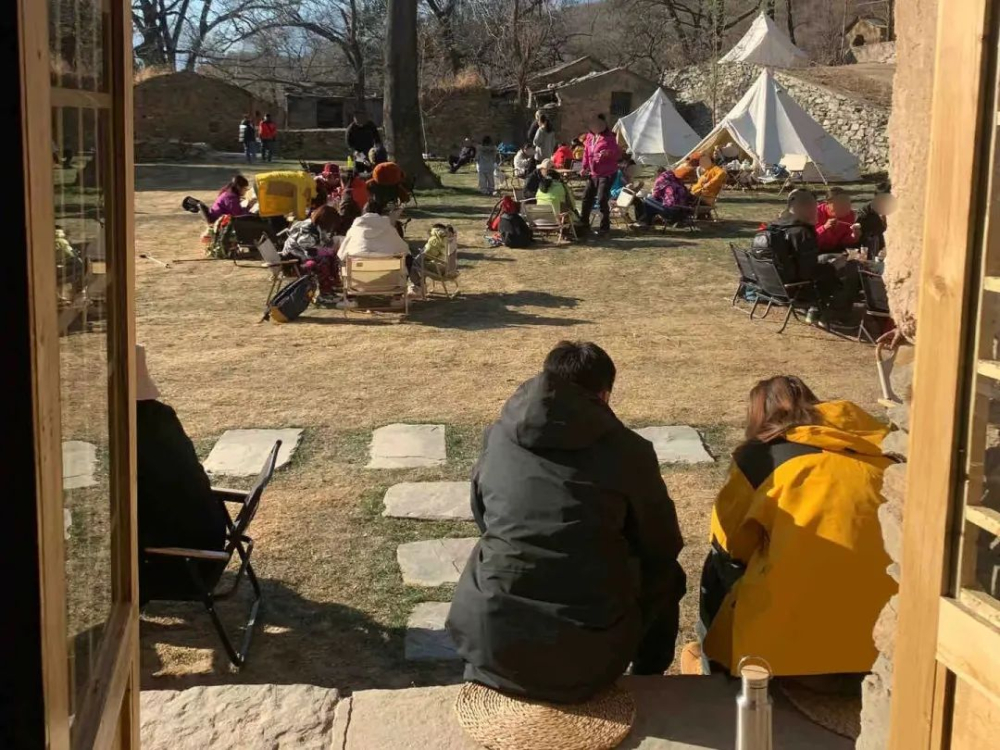
The saturation of the urban coffee market and soaring rents have driven many coffee professionals to look toward rural areas. In an old village on the outskirts of Beijing, someone transformed a traditional adobe house into a mountainside coffee shop. On regular days, it steadily serves around 150 regular customers, but on weekends, foot traffic surges to 400 people, with a record high of 700 visitors in a single day—nearly 300 cars packing the parking lot. It has even become the top-listed campsite on local recommendation boards.
However, rural coffee is not as easy to profit from as one might imagine. Remote locations lead to transportation inconveniences, local residents have limited spending power, and tourists often show low repeat purchase intent—many early pioneers have already exited the scene. What kind of business model can succeed in rural areas? We explore viable operational strategies through a successful case study.

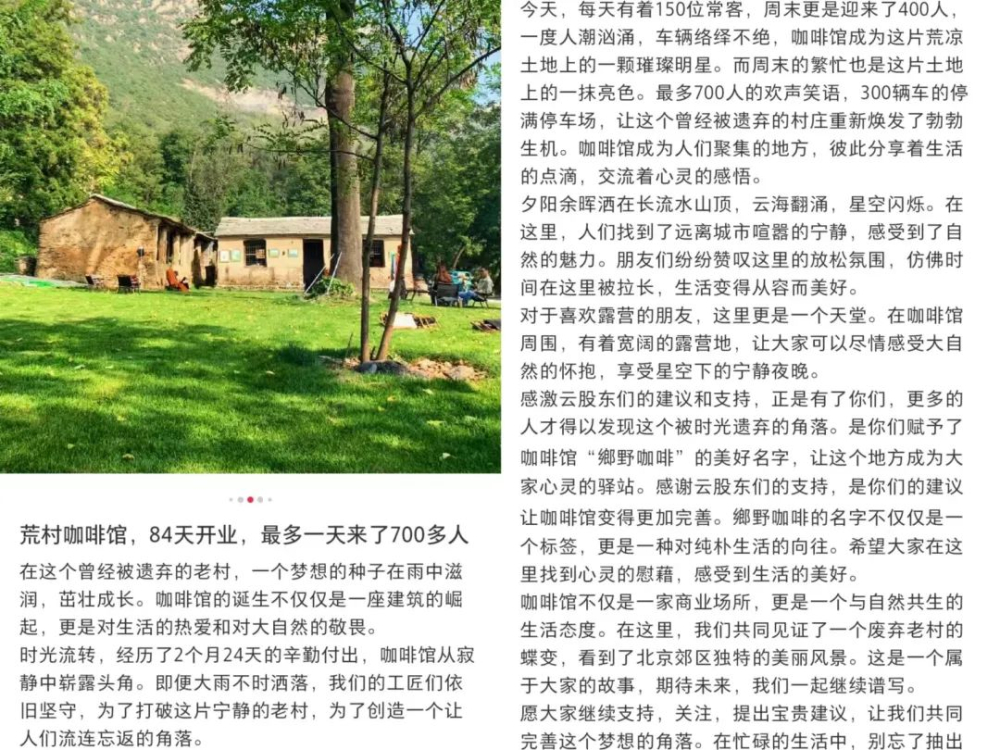
This coffee shop, nestled in the barren hills, chose not a bustling urban district but an old village accessible only by winding mountain roads. Built from a traditional adobe house, it exudes a strong rustic charm. The owner shared on Xiaohongshu that the shop usually has about 150 regulars, swelling to 400 on weekends, with a peak of 700 visitors in a single day—an assertion met with skepticism by many netizens. The owner responded that they were too busy to take photos that day, but the figure has been recorded by the local culture and tourism authorities, supplemented with later photos, and corroborated by other visitors who confirmed the impressive weekend crowds and traffic.
Beyond coffee, the shop also offers extended services such as camping to accommodate a more diverse clientele. In social platform rankings, this café has topped the list of most saved campsite spots in the Beijing area, showcasing its appeal as a comprehensive leisure destination.

In recent years, “rural coffee” has become a buzzword, with numerous “village entrance cafes” and “country-side coffee shops” opening up in remote villages. Entrepreneurs generally share three initial motivations: avoiding fierce urban market competition, reducing high rental pressures, and realizing the ideal of “popularizing rural coffee culture.” But the reality is that villagers have limited daily spending power and rarely spend tens of yuan on a cup of coffee; meanwhile, urban customers willing to spend are often unwilling to travel long distances specifically for it.
As a result, many rural coffee shops fall into the predicament of operating at a loss, and it’s not hard to find related cases on social platforms—many stores close down not long after opening.
So, is there truly no way forward for rural coffee? For entrepreneurs still keen to enter this field, currently more viable strategies include: choosing locations in tourist hotspots, accepting the reality of “one-time customer traffic,” and focusing on commemorative consumption by travelers. For example, setting up a coffee shop in a scenic spot and creating unique architectural or environmental features to make it a popular photo spot. As one successful shop owner put it: “The appeal of the environment itself is what motivates customers to make a special trip.”
Additionally, layering multiple business models is key—for instance, combining “coffee + camping,” “coffee + team building,” or “coffee + photography” services to attract different demographics through a rich variety of experiences. This not only increases the average spending per customer but also boosts the likelihood of return visits and recommendations.
In short, the success of rural coffee depends not just on coffee quality but more critically on the overall experience and location choice. For aspiring entrepreneurs in this field, understanding local needs, leveraging natural resources, and designing attractive, multifaceted services will be crucial success factors.
The above content is compiled by CoffeeHunters, a coffee news website.


