







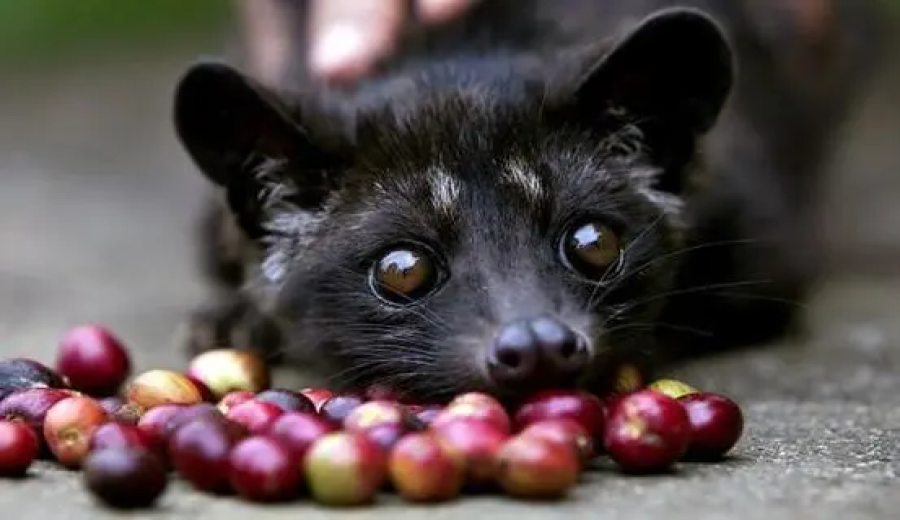
Introduction:Have you heard of "cat poop coffee"? This rare coffee originating from Indonesia is actually made from beans that have been digested and excreted by civets. But do you truly understand its production process, flavor characteristics, and ethical controversies? This article will delve into the origins, processing methods, unique flavors of civet coffee, as well as its status in the global coffee market, and explore related types of animal-fermented coffee to help you fully understand this highly talked-about brew.
Civet coffee, with its peculiar name, has always sparked both curiosity and resistance. Is it really made from cat feces? The answer is both yes and nuanced — it does come from animal excrement, but not from your average house cat. Instead, it comes from wild civets in the rainforests of Indonesia. This rare coffee, from its accidental discovery during the Dutch colonial period to becoming one of the most expensive coffees in the world today, has gone through animal conservation debates, a unique fermentation process, and distinctive roasting techniques. Let’s uncover the mystery behind this intriguing beverage.
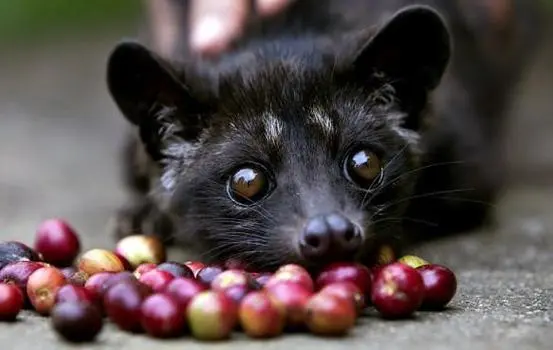
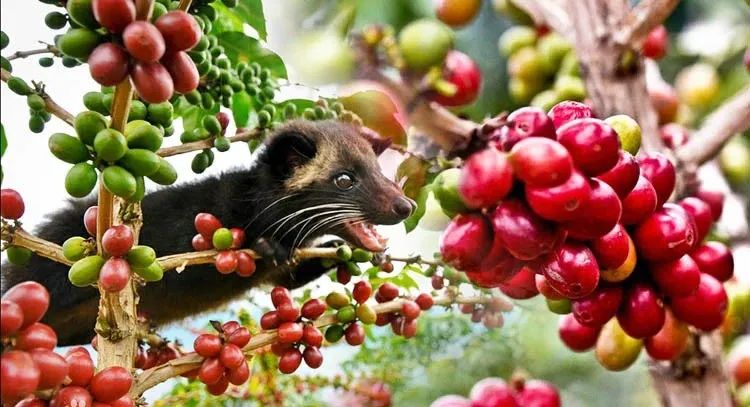
First, let’s clarify a common misconception: civet coffee does indeed come from the feces of a “cat-like” animal, but this “cat” is not your typical feline. It refers to the civet, also known as the palm civet or toddy cat, a wild omnivorous animal native to Indonesia. These animals have a penchant for coffee cherries, swallowing the whole fruit. As it passes through their digestive tract, the flesh and skin are digested, while the dense coffee beans remain intact and are excreted. These “specially processed” coffee beans are the raw material for civet coffee.
Going back to the 17th century, the Dutch introduced coffee to Indonesia, starting with Java Island. Thanks to the favorable climate, coffee plants flourished rapidly, becoming an important source of wealth for the Dutch colonizers. However, the colonizers strictly controlled the circulation of coffee beans, forbidding local workers from tasting them on their own. These workers, noticing that wild civets would steal ripe red coffee cherries but leave the unripe green ones, became curious. Eventually, during one such observation, they discovered civet feces mixed with coffee beans, thus accidentally uncovering the potential of this unique processing method.
It is said that one worker took these “fecal coffee beans” home, washed and sorted them, then roasted and ground them using traditional methods to brew the world’s first cup of “civet coffee.” Surprisingly, the flavor of this coffee turned out to be quite good, and the news quickly spread beyond Indonesia. Although most people were initially driven by curiosity, as more and more tasting experiences were shared, this coffee gradually gained popularity.
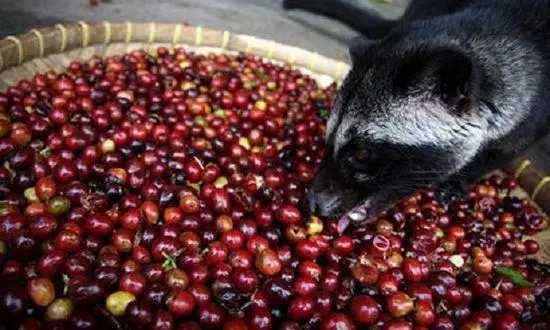
However, since civets are wild animals, the coffee beans they produce are extremely limited. It’s estimated that only about 150 grams of coffee beans can be extracted from 500 grams of civet feces, and after accounting for losses during roasting, the final product is even rarer. For this reason, wild civet coffee was once prohibitively expensive, even surpassing many top-tier Geisha or Emerald Red Label coffees. To meet market demand, some coffee farmers began caging and force-feeding civets with large quantities of coffee cherries to increase yield, which sparked strong criticism regarding animal welfare.

Civets are naturally shy and not suited for living in groups. Being confined in small spaces often leads to fighting, injuries, and infections. Due to these ethical concerns, many consumers have begun to boycott civet coffee produced from captive animals. If you’re considering purchasing it, it’s recommended to choose products from reputable sources that clearly state they are wild-collected and ethically handled, or to opt for other types of animal-fermented coffee to avoid such controversies.
So, what does civet coffee actually taste like? Due to leaf rust disease affecting Indonesia in the early days, the region switched to cultivating Robusta coffee beans, so early civet coffee was mostly made from this variety. After being fermented in the civet’s digestive system, some of the proteins in the beans are broken down, releasing more free amino acids, resulting in a richer and fuller mouthfeel. However, this heavy fermentation process is generally not suitable for light roasts, as it can easily lead to unpleasant flavors.
To highlight its unique characteristics, civet coffee is usually dark roasted, bringing out intense spices, chocolate notes, and a thick body, resembling the well-known Mandheling flavor of Indonesia, but with an even heavier mouthfeel. Interestingly, some netizens have jokingly said: “Some coffees are only meant to exist in stories, not necessarily to be tasted.” This might give you something to think about when making your choice.
Besides civet coffee, there are other similar types of “animal-fermented coffee” around the world, such as elephant poop coffee from Thailand and bird poop coffee from Brazil. These coffees also undergo natural fermentation in the digestive systems of animals, giving the beans unique flavors and market appeal. However, such coffees are generally produced in very small quantities, are expensive, and also raise significant animal ethics concerns.
In summary, civet coffee is a product that combines nature, fermentation, and human ingenuity, but its origin and production process are filled with controversy. Understanding its history and how it’s made can help us make more rational and responsible decisions when tasting or purchasing it.
The above content is compiled by CoffeeHunters, a coffee news website.


