







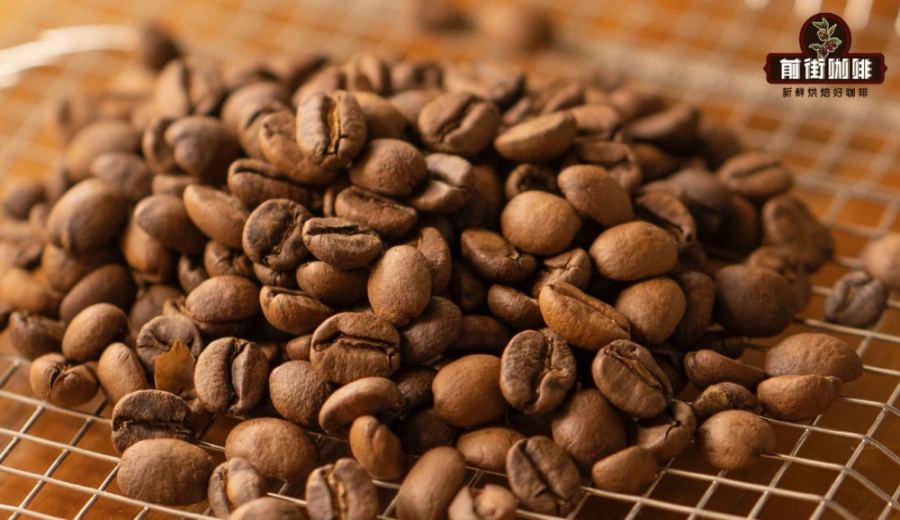
Introduction:Apart from the commonly seen Catuai, Caturra, and Bourbon, the Americas actually harbor many lesser-known yet precious coffee varieties. This article takes you on an in-depth journey to explore the origin stories, plant characteristics, disease resistance, and unique flavor profiles of four rare coffee varieties in the Americas—Villa Sarchi, Venecia (also known as Fanxiya), Tekisic, and Bernardina. Not only will it expand your coffee knowledge base, but it also provides a more solid foundation for selecting specialty coffee beans.
In the minds of many coffee enthusiasts, the representative varieties of coffee-growing regions in the Americas invariably include Catuai, Caturra, and Bourbon. However, with the advancement of agricultural research and the promotion of coffee competitions, some previously obscure yet excellent varieties have gradually entered the public eye. Among them, Villa Sarchi, Venecia (Fanxiya), Tekisic, and Bernardina not only have unique cultivation backgrounds, but also showcase their own charm in terms of flavor and adaptability. This article will guide you through the discovery, plant features, pest and disease resistance, and coffee flavors of these rare varieties, helping you make more informed choices when selecting beans.
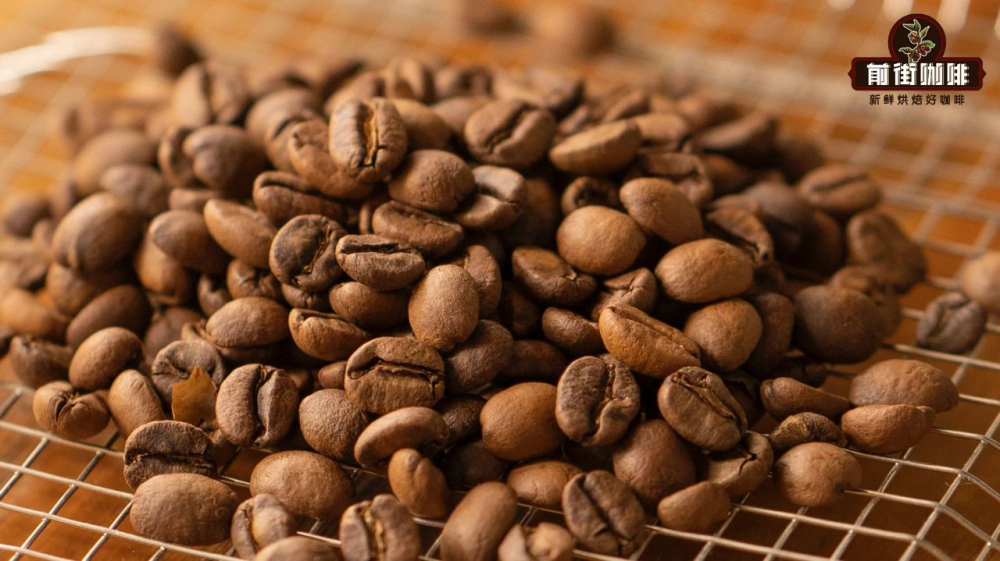
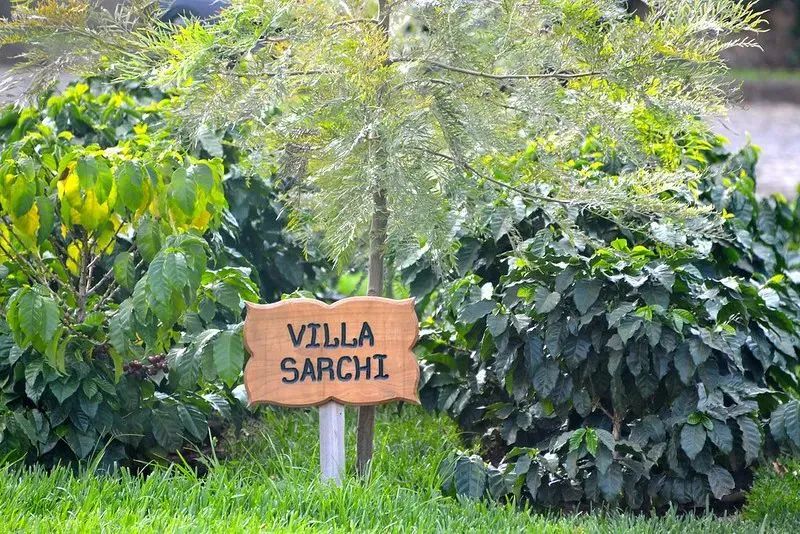
When it comes to niche coffee varieties in the Americas, the first one that must be mentioned is Villa Sarchi. This variety was first discovered in the 1950s in Sarchi, a city in northern Costa Rica, and is a natural mutation of the Bourbon variety. It was developed through pedigree selection—continuously choosing and propagating individual plants with superior traits—eventually forming a stable cultivar. Villa Sarchi is typically grown only within Costa Rica, although it was introduced to Honduras in 1974, it has never been widely cultivated. One of the most distinctive features of this variety is its short plant height, exhibiting clear “dwarf” characteristics, along with excellent resistance to strong winds and suitability for high-altitude cultivation. However, it is relatively weaker in resisting leaf rust, berry disease, and root-knot nematodes. Visually, Villa Sarchi has green top leaves, with side branches forming an angle of about 45 degrees with the main stem, and its fruit clusters are tightly arranged, making the cherries less prone to falling off due to wind or rain. In terms of flavor, it often presents a bright and clear citrus acidity, along with layered and rich fruity aromas, making it quite distinctive.
Another precious variety from Costa Rica is Venecia, also known as Fanxiya. It is actually a natural mutation of Caturra, officially certified and released by the Costa Rican Coffee Research Institute (ICAFE). Similar to Caturra, Venecia plants are also of the dwarf type, with advantages such as stable yield, adaptability to rainy environments, and good disease resistance. However, this variety takes about three years from planting to its first harvest, and its coffee beans are slightly larger with a harder bean core, indicating its physiological uniqueness. Starting in 1991, ICAFE conducted extensive trials and screenings in regions such as Turrialba, Coto Brus, and Perez Zeledon. The results showed that Venecia planted in the Perez Zeledon area not only exhibited richer flavor profiles, but also demonstrated outstanding yield and tolerance to pests and diseases, thus drawing attention.
The name Tekisic may be relatively unfamiliar to many coffee enthusiasts, but it is actually a significant player in the Salvadoran coffee market. This variety originated from a long-term breeding program initiated by the Salvadoran Coffee Research Institute (ISIC) in 1949, which took nearly thirty years to finally launch in 1977. Tekisic is a selectively bred variety of Bourbon, rather than a mutation, developed by agricultural experts who repeatedly screened numerous Bourbon plants to select individuals with resilience, high yield, and excellent flavor, gradually cultivating them into what it is today. Its name “Tekisic” comes from the Nahuatl word “tekiti,” meaning “work,” which also echoes the lengthy scientific research process behind it. Today, Tekisic, along with the original Bourbon variety, accounts for about 70% of El Salvador’s total coffee production, highlighting its importance. However, it is worth noting that Tekisic still has limited resistance to major diseases such as leaf rust, so special attention to pest and disease management is required during cultivation.
Finally, we introduce Bernardina, a relatively new yet highly intriguing variety. It was first discovered in 2015 on the Los Bellotos farm located on the western side of the Cerro Verde volcano in El Salvador. The farm is operated by the renowned Pacas family, and the variety is named in honor of its discoverer, Ruperto Bernardino Merche. Bernardina only truly gained recognition at the 2019 Salvadoran COE (Cup of Excellence) competition, where a sample submitted by Finca La Esperanza won third place, with its flavor praised by multiple judges as “clear, delicate, and elegant.” Subsequent genetic analysis conducted by an Italian laboratory revealed that Bernardina is an entirely new variety, a unique hybrid with up to 70% Gesha (Geisha) lineage and 30% genetic material from the Ethiopian landrace Agaro. The Pacas family further confirmed on their own farm that there are 46 trees belonging to this rare variety. This is not only a major discovery in coffee breeding but also provides valuable resources for future variety development.
The above content is compiled by CoffeeHunters, a coffee news website.


