







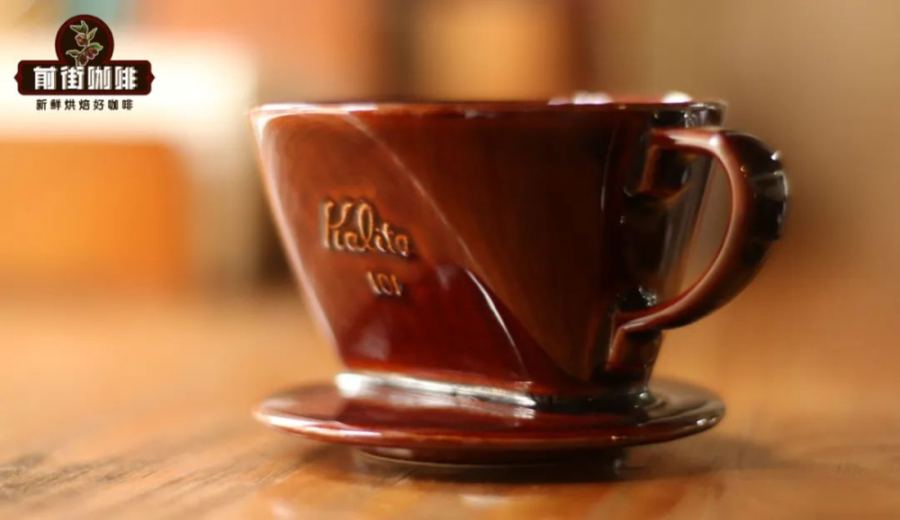
Introduction:Most pour over coffee filters commonly used are cone-shaped, but trapezoidal filters actually have an earlier historical origin. This article delves into the background of the trapezoidal filter’s origin, the fundamental structural differences between it and the conical filter, and analyzes why the conical filter has become the mainstream choice in modern pour over culture. Readers can learn how filter design affects coffee grounds drainage and flavor extraction, and gain an understanding of the practical application and historical value of the trapezoidal filter.
In the world of pour over coffee, the most familiar filter shape to most people is undoubtedly the cone shape—such as the V60, Kono, or even the origami filter—all of which feature a streamlined conical structure. This design has become a standard for many coffee enthusiasts. However, in reality, there is more than just this one type of filter, and the “trapezoidal filter” not only has a long history, but also embodies a unique design philosophy. This article will guide readers through the origins of the trapezoidal filter, the core structural differences between it and the common conical filter, and explore why the conical filter is favored by more modern pour over enthusiasts.
If you’ve ever closely observed the filters you use regularly, you’ll notice that most have a wide-top, narrow-bottom conical appearance. However, as early as 1936, the German company Melitta Bentz introduced a filter with a distinctly different shape—that being what is considered the earliest “trapezoidal filter,” sometimes also referred to as a “sector-shaped filter.”
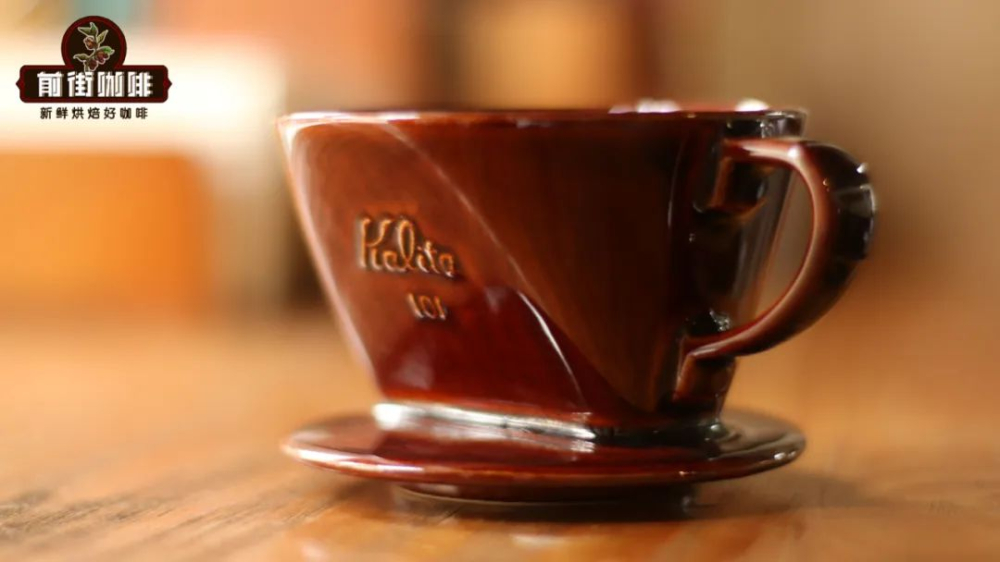
Judging from the original design drawings or real product photos, the trapezoidal filter shows no significant change in overall silhouette compared to the trapezoidal filters still available on the market today—it still presents an inverted trapezoid shape. However, there is a notable difference in the bottom structure—the original trapezoidal filter had only a single small hole at the base, unlike the multi-hole designs commonly seen in modern filters.

This single-hole design directly affects the flow rate control during coffee extraction. Compared to multi-hole filters that provide a more uniform and rapid water distribution, the single-hole design results in a slower filtration speed, placing higher demands on grind size and pouring technique. This is also one of the main reasons why filter designs have gradually evolved over time.
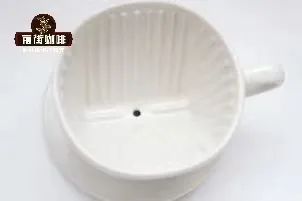
The reason the trapezoidal filter takes on a trapezoid shape is that it gradually narrows from top to bottom, creating a visual effect similar to the unfolding of a fan. As such, it is also sometimes called a sector-shaped filter. This shape was believed in early designs to help stabilize the coffee bed and control the direction and speed of water flow during extraction.
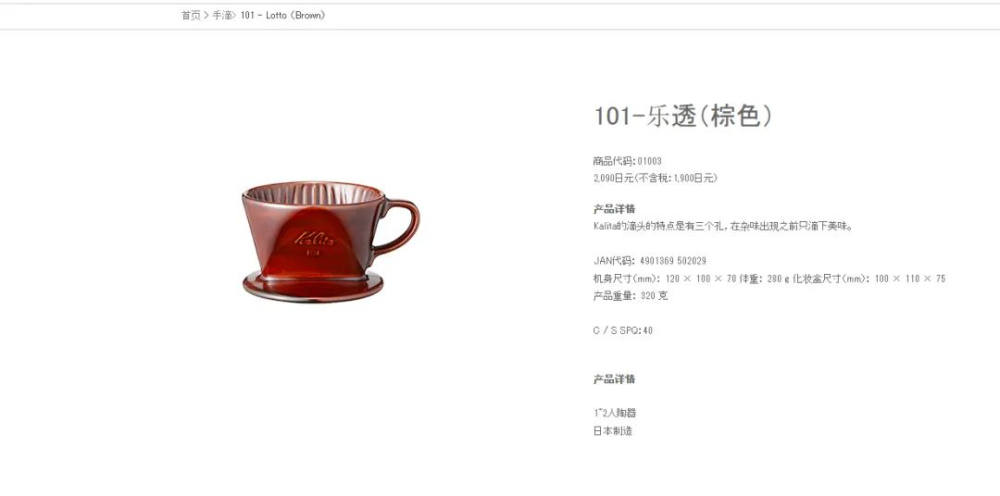
However, as coffee brewing techniques advanced and consumer demand increased for ease of use and consistent flavor performance, filter designs gradually evolved toward features such as multiple holes, controllable flow rates, and ease of cleaning. This is also why, in today’s market, conical filters—especially those with multi-hole designs like the V60—have become the first choice for most pour over enthusiasts.
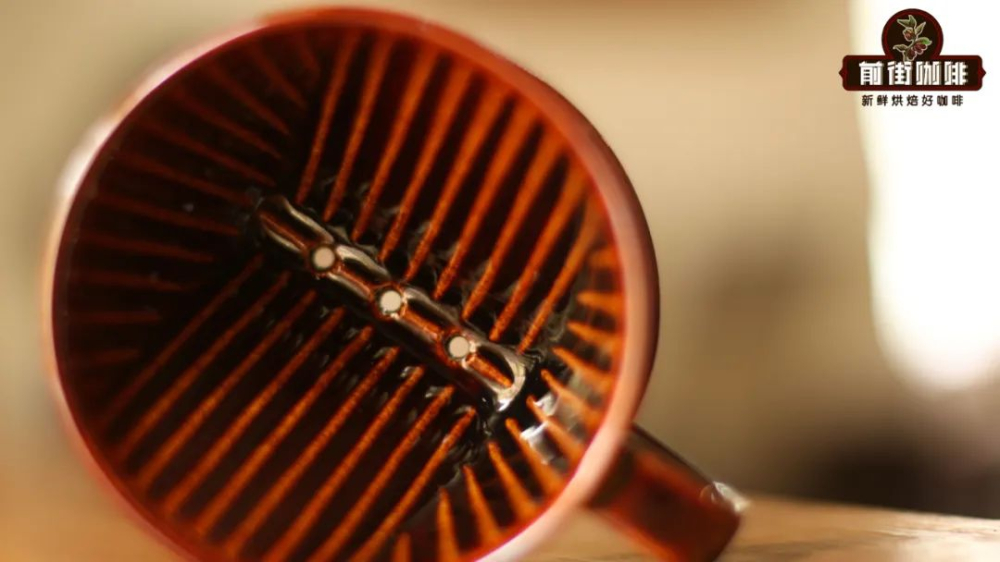
The conical structure of the conical filter, along with its multiple drainage holes, allows for a more stable filtration flow rate and directs hot water more efficiently to uniformly penetrate the coffee grounds, thereby enhancing the balance and clarity of flavors. In contrast, due to its shape and hole design, the trapezoidal filter has a relatively higher operational threshold and is less easy to master for achieving optimal extraction conditions.

Additionally, multi-hole filters can effectively reduce the chance of paper clogging, especially when using finely ground coffee, where their advantage in stable drainage becomes more apparent. The trapezoidal filter, if not properly adjusted (e.g., grind size, pouring speed, etc.), is prone to risks such as poor drainage or over-extraction.

In summary, although the trapezoidal filter has a long history and was once one of the pioneering designs for pour over coffee filters, it has gradually been replaced by the conical filter, which offers better flow rate control and operational flexibility, due to its limitations in usability and extraction consistency. Nevertheless, understanding the design principles of the trapezoidal filter remains highly educational for gaining deeper insight into the interaction between water flow and the coffee bed during the brewing process.

For coffee equipment enthusiasts or readers looking to gain a deeper understanding of pour over techniques, becoming familiar with the design logic behind different filter shapes can help choose the most suitable brewing tool based on individual needs and further enhance the expressive power of coffee flavors.

In addition, a well-known domestic coffee brand mentioned in this article not only offers a variety of classic filters for consumers to choose from, but also has a physical store located at No. 10, Bao’an Road, Yandeng, Dongshankou, Yuexiu District, Guangzhou City, Guangdong Province. For coffee lovers interested in personally experiencing the effects of different filters, it is definitely a worthwhile place to visit.

The above content is compiled by CoffeeHunters, a coffee news website.


